Nebojša Tower
Belgrade, Serbia
Discover Nebojša Tower, a fearless medieval landmark within Belgrade Fortress, Serbia. Explore its rich history from defensive bastion to notorious prison and modern museum.
Overview
Nestled within the historic Belgrade Fortress, at the scenic confluence of the Sava and Danube rivers, stands the Nebojša Tower. More than just an ancient structure, this significant landmark in Belgrade, Serbia, serves as a powerful symbol of endurance, conflict, and the city's layered past. Originally constructed as a formidable defensive bastion, it later endured a transformation into a notorious prison, before its modern-day role as an immersive museum and cultural center. Visiting Nebojša Tower offers travelers a profound journey through centuries of Balkan history, told through its thick stone walls and engaging exhibits.
History & Cultural Background
The present Nebojša Tower was erected by the Hungarians around 1460. Its strategic location and groundbreaking design, characterized by an octagonal base and walls up to three meters thick, made it an early example of artillery towers built to withstand cannon fire. It played a pivotal role in the defense of Belgrade, forming part of the 'Bulwark of Christianity' against the advancing Ottoman Empire.
A critical moment in its history occurred during the Ottoman siege of Belgrade in 1521. The tower's cannons fiercely resisted the attackers, holding out until it was eventually set ablaze, leading to the city's fall. Despite its capture, the tower was later rebuilt by order of Sultan Suleiman the Magnificent. Over time, particularly after the Ottomans regained Belgrade in 1739, Nebojša Tower lost its military function and acquired a darker purpose. It became one of Belgrade's most infamous prisons, a place of suffering and repression.
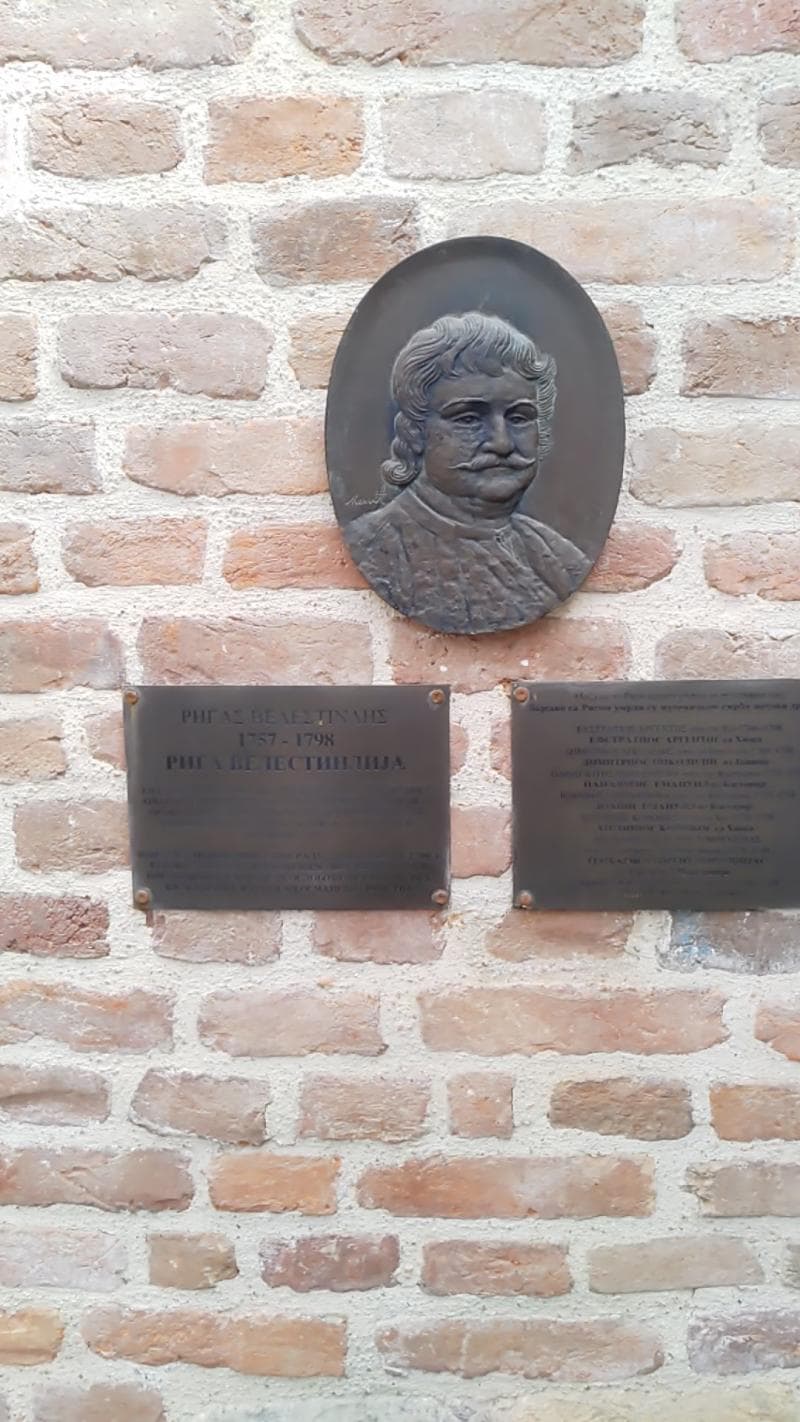
Among its most notable captives was Rigas Feraios, a Greek revolutionary and poet, who was tragically executed here in 1798. Metropolitan Methodius of Belgrade also met his end within these walls in 1801. Their stories, and those of many other fighters for Balkan liberation, are deeply etched into the tower's grim history.
In a testament to its enduring significance, Nebojša Tower underwent extensive restoration and transformation in 2010, largely with the support of the Greek government. It reopened as a modern museum and cultural center, inviting visitors to explore its complex past.
What Makes It Special
Nebojša Tower stands out as the only surviving medieval tower of the Belgrade Fortress, a unique architectural and historical gem. Its robust octagonal form and impressive wall thickness, reaching up to three meters, were cutting-edge for its time, designed specifically to counter the emerging threat of cannon warfare. The preserved cannon openings on each of its floors offer a tangible connection to its formidable defensive role.
Beyond its physical attributes, the tower's enduring spirit is captured in its name. 'Nebojša', meaning 'fearless' in Serbian, perfectly encapsulates the resilience it demonstrated through countless battles and its oppressive period as a prison. It serves as a powerful reminder of Belgrade's turbulent journey and its unwavering strength.
Stories, Fun Facts & Local Details
The name 'Nebojša' itself carries a fascinating history. While it translates to 'fearless', this particular tower did not initially bear the name. The appellation was transferred to this structure in the late 17th century after the original Nebojša Tower, located in the Upper Town of the fortress and considered the strongest tower of its era, was destroyed. It was a common medieval practice to name the primary defensive tower 'fearless', and the name was bestowed upon the strongest remaining tower.
Local lore also adds a touch of mystique to Nebojša Tower's narrative. One legend suggests that when the Turks seized Belgrade, the tower, deemed impregnable, miraculously 'flew' from its original location to its current spot in the Lower Town to remain unconquered. While fanciful, such tales reflect the profound impact the tower has had on the local imagination and its symbolic status as a bastion of defiance.
Today, the museum within the tower tells a multi-layered story. Exhibits span various themes, including the tower's military origins, the harrowing period of its use as a prison, and the life and revolutionary ideals of Rigas Feraios. Other floors delve into the First Serbian Uprising and the evolution of Belgrade in the early 19th century, offering a comprehensive historical tapestry.
Visitor Perspective
A visit to Nebojša Tower today is an enriching experience for any traveler keen on understanding Belgrade's soul. The tower's renovated interior now houses an engaging museum with multimedia displays and interactive exhibits spread across its floors. You can explore its original defensive features on the ground floor, delve into its dark past as a prison, reflect on the legacy of Rigas Feraios, and learn about the birth of modern Serbia.
Located in the picturesque Lower Town of the Belgrade Fortress, the tower is easily accessible and forms an integral part of the broader Kalemegdan Park complex. Its position offers stunning views of the confluence of the Sava and Danube rivers, making it a perfect spot to appreciate both history and natural beauty. While the entrance annex is generally accessible, visitors should be aware that reaching the upper levels of the medieval tower requires navigating stairs, reflecting its ancient architecture. Nebojša Tower invites you not just to see history, but to feel its echoes in every stone.
Coordinates: 20.447889, 44.827278
View on Google Maps💬 How Travelers Describe This Place
Based on community votes
Beautiful
886Unique
564Must See
233Interesting
201Photogenic
121
Traveler Stories
Discover memorable experiences shared by travelers who have visited this place.
No traveler stories yet.
Be the first traveler to share what made this place memorable.

Tour
By
Spot
Discover amazing places around the world. Your journey starts here.
Explore
© 2026 TourBySpot. All rights reserved.