Nearby Ottoman Streets
Sarajevo, Bosnia and Herzegovina
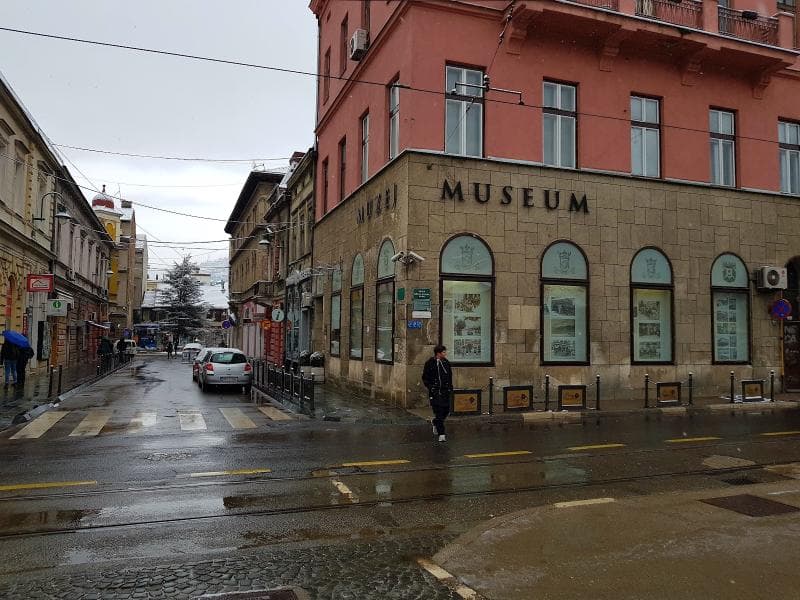
Explore the vibrant Ottoman Streets near Sarajevo's Latin Bridge, including Baščaršija. Discover historic markets, artisan crafts, and centuries of culture in Bosnia and Herzegovina.
Overview
Stepping away from the historic Latin Bridge in Sarajevo, Bosnia and Herzegovina, one immediately enters a living tapestry of time known descriptively as the 'Nearby Ottoman Streets.' This area, primarily encompassing the renowned Baščaršija, or Old Bazaar, is the beating heart of the city's Ottoman heritage. It's a place where centuries-old traditions are not merely preserved but actively lived, offering an immersive journey into Sarajevo's rich past. The winding cobblestone streets, traditional artisan workshops, and distinct architecture transport visitors to an era when Sarajevo flourished as a vital Ottoman trading post. It’s a sensory experience, from the scent of Bosnian coffee and grilled ćevapi to the rhythmic hammering of coppersmiths, all set against a backdrop of historic mosques and caravanserais.
History & Cultural Background
The story of Sarajevo's Ottoman streets begins in the 15th century with the founding of the city by Isa-beg Ishaković, the Ottoman governor of the Bosnian Sanjak. He established key institutions, including a mosque, a hammam, a hostel, a market, and a bridge, laying the groundwork for what would become Baščaršija. The bazaar quickly grew, becoming a significant center for trade and craftsmanship in the Balkans. Its golden age arrived in the 17th century, boasting over a thousand shops dedicated to various crafts. The Latin Bridge itself, an elegant Ottoman-era stone bridge spanning the Miljacka River, has roots dating back to at least 1541, with a wooden predecessor and a stone version commissioned around 1565. Its name, 'Latinluk,' referred to the Catholic quarter it connected to on the northern bank during Ottoman times. While devastating floods, such as the one in 1791, caused damage, the bridge was reconstructed, largely retaining its historic appearance.
What Makes It Special
What sets these Ottoman streets apart is their remarkable preservation and vibrant continuity. Unlike many historical districts that exist solely as museums, Baščaršija remains a functional market and social hub. The area around the Latin Bridge, particularly the Baščaršija, is a living testament to Ottoman urban planning and cultural confluence. Here, narrow alleys are still organized by traditional trades, with coppersmiths in Kazandžiluk Street crafting intricate pieces just as their ancestors did centuries ago. The architecture reflects distinct Ottoman influences, characterized by stone buildings, traditional wooden facades, and the presence of significant religious structures like the Gazi Husrev-beg Mosque, one of the most representative Ottoman structures in the Balkans. The seamless blend of commerce, culture, and history creates an atmosphere that is both bustling and deeply authentic.
Stories, Fun Facts & Local Details
One of the most iconic symbols of Baščaršija is the Sebilj, a unique wooden public fountain located in what's affectionately known as 'Pigeon Square.' Built in 1753 and reconstructed in 1913, legend says that anyone who drinks water from the Sebilj will surely return to Sarajevo. The streets themselves tell stories; many are named after the crafts once practiced there, and you can still find artisans upholding these ancient traditions. Even the Latin Bridge, while primarily celebrated for its Ottoman design and historical depth, gained global infamy as the site of Archduke Franz Ferdinand's assassination in 1914, an event that triggered World War I. This proximity of a pivotal global event to an enduring Ottoman quarter highlights Sarajevo's unique position as a crossroads of civilizations and histories. Another fascinating detail is the Morica Han, a 16th-century Ottoman caravanserai that once hosted weary travelers and merchants, now home to shops and restaurants, preserving its historic function in a modern context.
Visitor Perspective
To experience the Ottoman streets near the Latin Bridge is to engage all your senses. Wandering aimlessly through the labyrinthine streets is highly recommended, allowing serendipity to guide you to hidden courtyards, bustling cafes, and quiet corners. The vibrant energy is palpable during the day, with locals and tourists alike exploring the craft shops, sipping Bosnian coffee, and savoring traditional delicacies. You can observe coppersmiths at work, perhaps purchasing a beautifully hand-crafted coffee set, or explore the intricate designs of traditional Bosnian carpets. The atmosphere is welcoming, and despite its popularity, the area retains an authentic charm. It's a place where every turn reveals a new detail, from architectural nuances to the echoes of daily life that have played out here for centuries. It's an opportunity to connect with Sarajevo's soul, understanding how a rich past continues to shape its dynamic present.
Coordinates: 18.429, 43.8577
View on Google Maps💬 How Travelers Describe This Place
Based on community votes
Interesting
926Unique
646Photogenic
482Beautiful
380Must See
291
Traveler Stories
Discover memorable experiences shared by travelers who have visited this place.
No traveler stories yet.
Be the first traveler to share what made this place memorable.

Tour
By
Spot
Discover amazing places around the world. Your journey starts here.
Explore
© 2026 TourBySpot. All rights reserved.