Near Caves
Kiev, Ukraine
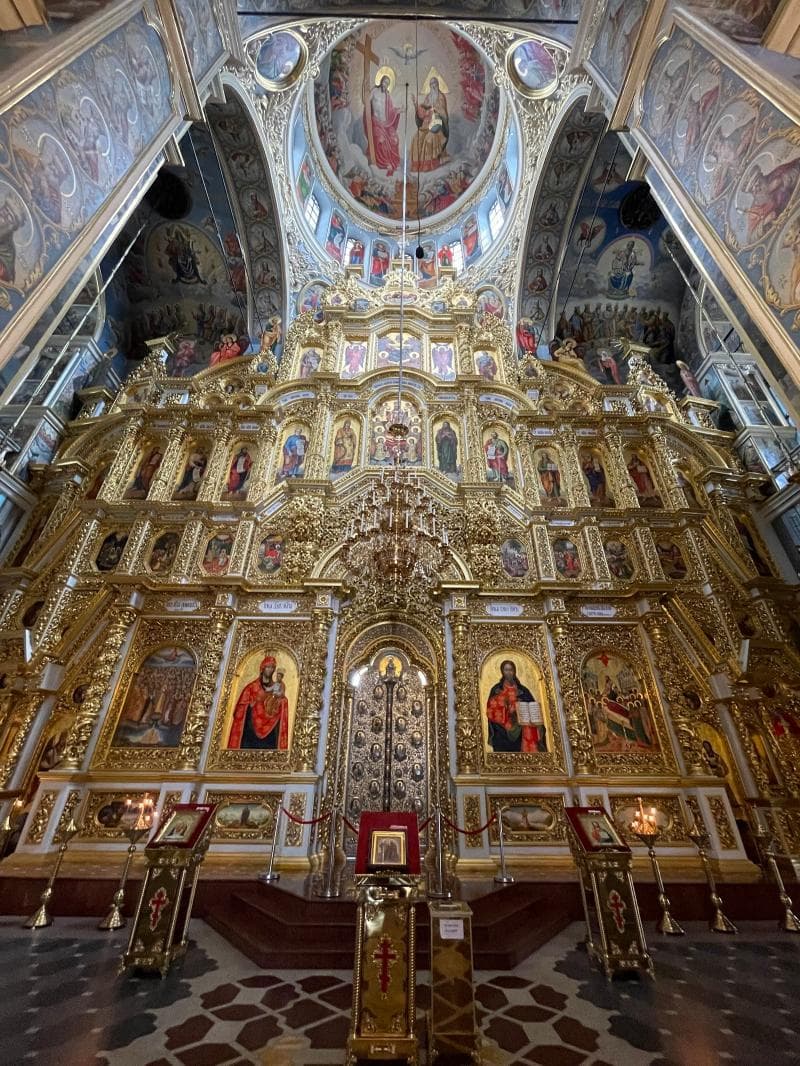
Explore the mystical Near Caves within Kyiv Pechersk Lavra, Kiev, Ukraine. Discover ancient relics, underground churches, and centuries of monastic history.
Overview
Nestled deep beneath the golden domes of the majestic Kyiv Pechersk Lavra, in the heart of Kiev, Ukraine, lie the ancient and revered Near Caves, also known as the Caves of Saint Anthony or Blizhni Pechery. This subterranean monastic complex is not merely a series of tunnels; it is a profound journey into the spiritual and historical soul of Eastern Orthodoxy. As an integral part of the UNESCO World Heritage Site of Kyiv Pechersk Lavra, the Near Caves offer a unique glimpse into centuries of ascetic devotion and sacred tradition. Travelers stepping into these cool, dimly lit passages are met with an atmosphere unlike any other, where the echoes of ancient prayers seem to linger in the very air.
History & Cultural Background
The story of the Near Caves begins in 1057 when Saint Anthony, a revered ascetic who had previously lived in another cave, sought deeper solitude. He excavated a new underground cell on a different hill, laying the foundation for what would become the Near Caves. This pivotal act occurred shortly after the founding of the larger Kyiv Pechersk Lavra monastery itself in 1051, marking its emergence as a preeminent center of Eastern Christianity in Eastern Europe.
As Saint Anthony's reputation for piety and spiritual guidance grew, other monks joined him, expanding the initial cell into a complex network of tunnels, chapels, and burial chambers. The Near Caves soon became a sacred necropolis and a place where monks practiced extreme asceticism, living and praying in seclusion. Over the centuries, these caves have preserved the remains of numerous saints and revered figures, transforming them into a significant pilgrimage destination.
The principal entrance to the Near Caves is through the elegant Church of the Exaltation of the Cross, a Ukrainian Baroque masterpiece constructed between 1700 and 1704. This architectural gem stands as a testament to the enduring spiritual significance of the underground monastery it guards.
What Makes It Special
What truly sets the Near Caves apart is their unparalleled role as a living monument to early Christian monasticism. Stretching for a total length of 383 meters and descending between 5 to 20 meters deep, this intricate labyrinth houses three underground churches: the Church of Saint Anthony, the Church of the Entry of the Mother of God into the Temple, and the Saint Varlaam Church.
Within these hallowed passages are 79 preserved burial sites, featuring the naturally mummified remains of saints, many of whom were the earliest monks of the Lavra. The dry, stable conditions of the caves contributed to the remarkable preservation of these relics, making the Near Caves a powerful and tangible link to the past. Visitors walk through narrow corridors, past alcoves where these revered figures rest, often adorned with monastic habits, creating an almost surreal encounter with history and faith.
The spiritual atmosphere is palpable, offering a profound sense of devotion that has drawn pilgrims and curious travelers for nearly a millennium. It's a place where the human spirit's quest for connection to the divine is deeply etched into the very stone.
Stories, Fun Facts & Local Details
The Near Caves are steeped in fascinating lore. Among the most notable interments is that of Ilya Muromets, a legendary epic hero of ancient Rus' whose remains are said to have been transported miraculously to the Lavra caverns by angels. Scientific examination of his remains reportedly showed he died from a stab wound, adding a layer of historical intrigue to the legend.
Other revered figures entombed here include Nestor the Chronicler, the famed author of 'The Primary Chronicle', a foundational work of East Slavic history, and the icon artists Alipy and Grigory. Their presence underscores the Lavra's historical importance not only as a spiritual center but also as a cradle of culture and literacy.
A 'fun fact' for visitors is the consistent cool temperature inside the caves, providing a stark contrast to the outside world, regardless of the season. This natural coolness, along with the limited lighting, offers an authentic experience of the austere conditions faced by the monks who once dwelled here.
In a significant recent development, the spiritual care of the Near Caves transitioned to the Orthodox Church of Ukraine (OCU) on February 24, 2026, marking a new chapter in the complex's long and often tumultuous history.
Visitor Perspective
Visiting the Near Caves is an immersive experience. As you navigate the narrow, winding passages, often no wider than 1 to 1.5 meters, and descend flights of stairs, you are transported to another era. The air is still, the silence profound, punctuated only by the shuffling of feet and hushed whispers of fellow visitors.
Modest dress is required for entry: women should cover their heads with a shawl and wear skirts that cover their knees, while shoulders should be covered for all visitors. Comfortable footwear is highly recommended, as the ground within the caves can be uneven. While guided tours are available, the opportunity to quietly explore these sacred spaces allows for personal reflection and a deep appreciation for the devotion that shaped this extraordinary site. It's a journey not just through tunnels, but through time and faith, leaving a lasting impression on all who enter.
Coordinates: 30.5614, 50.434
View on Google Maps💬 How Travelers Describe This Place
Based on community votes
Photogenic
516Interesting
326Beautiful
247Unique
171Must See
130
Traveler Stories
Discover memorable experiences shared by travelers who have visited this place.
No traveler stories yet.
Be the first traveler to share what made this place memorable.

Tour
By
Spot
Discover amazing places around the world. Your journey starts here.
Explore
© 2026 TourBySpot. All rights reserved.