NDK Park
Sofia, Bulgaria
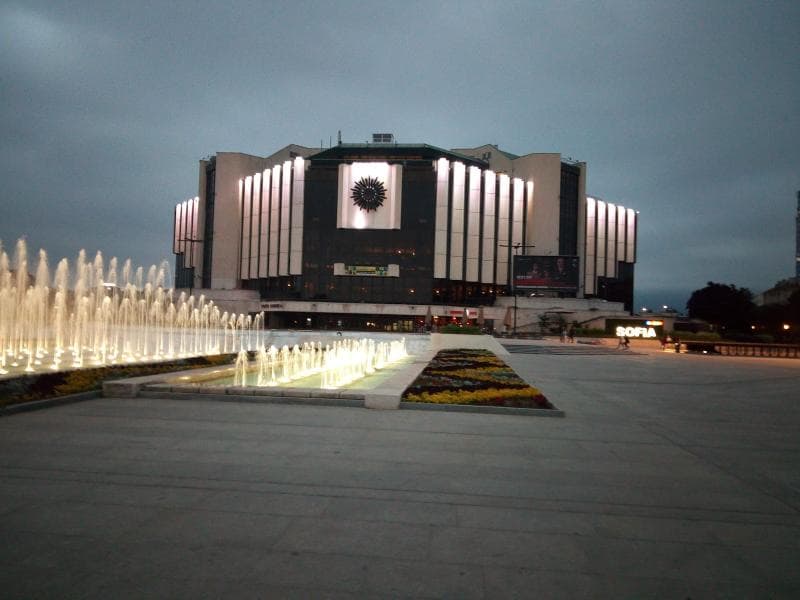
Explore NDK Park in Sofia, Bulgaria – a vibrant green space surrounding the National Palace of Culture, rich in history, art, and local life.
Overview
NDK Park, often referred to simply as the park surrounding the National Palace of Culture, is a sprawling and dynamic green space situated in the very heart of Sofia, Bulgaria. This urban oasis serves as a vital cultural and social focal point, seamlessly blending relaxation with activity for both locals and travelers. More than just a park, it's a central gathering place, host to a myriad of open-air events, festivals, and community celebrations throughout the year. Easily reachable by Sofia's efficient public transport system, including the NDK metro station, the park provides a welcoming escape from the city's hustle and bustle.
Visitors are greeted by meticulously landscaped gardens, adorned with vibrant flowerbeds, mature trees, and ample benches perfect for moments of contemplation. As you wander through its wide paths, you will encounter striking fountains that animate the space, alongside various artistic sculptures. The park acts as a verdant bridge, connecting the imposing architecture of the National Palace of Culture to the lively Vitosha Boulevard, Sofia's premier pedestrian shopping and entertainment street. NDK Park stands as an enduring symbol of Sofia's evolving urban landscape, inviting exploration and offering a genuine slice of Bulgarian city life.
History & Cultural Background
The genesis of NDK Park is intricately linked with the construction of the National Palace of Culture itself, a monumental undertaking conceived in the late 1970s. Both the palace and its surrounding park were officially inaugurated in 1981, a significant year marking the 1300th anniversary of the establishment of the Bulgarian state. The visionary behind this ambitious project was Lyudmila Zhivkova, daughter of Todor Zhivkov, the communist leader of Bulgaria at the time, who played a crucial role in promoting Bulgarian arts and culture.
The design of the National Palace of Culture building was led by architect Alexander Georgiev Barov. Complementing this grand structure, the landscaping of the adjacent Bulgaria Square was overseen by a team led by Atanas Agura, while the broader park area was the creation of landscape architect Valentina Atanassova. Over the decades, what began as a formal landscape has blossomed into a dynamic social and cultural epicenter, reflecting Sofia's continuous transformation and growth. The National Palace of Culture building itself is recognized as a notable example of modernist brutalist architecture, its imposing presence balanced by the welcoming green expanse of the park.
What Makes It Special
NDK Park's unique charm lies in its harmonious juxtaposition of architectural grandeur and natural beauty. It masterfully balances the stark, yet impressive, Soviet-era architecture of the National Palace of Culture with inviting leafy promenades, intimate cafes, and contemporary art installations. This blend creates a distinctive atmosphere that sets it apart from other urban parks.
A defining characteristic of NDK Park is its role as a perpetual stage for cultural expression. It continuously hosts a diverse array of festivals, vibrant open-air concerts, engaging art fairs, and community gatherings, establishing itself as a 'living symbol of Sofia's vibrant spirit'. The park is renowned for its numerous striking fountains, some of which are innovatively designed at a below-grade level, adding an intriguing visual and auditory dimension to the environment. Interspersed throughout the green spaces are modern sculptures and artistic installations, which not only beautify the park but also serve as thoughtful reflections of Bulgaria's evolving cultural identity. This fusion of nature with urban sophistication offers visitors profound insights into both the historical layers and the contemporary pulse of Sofia, all within a free, open, and fully accessible public space.
Stories, Fun Facts & Local Details
Locally known simply as NDK Park, this beloved spot is steeped in everyday Sofia life and holds some intriguing details. It's a favorite locale for people-watching, where you can observe locals enjoying a leisurely afternoon or street performers adding a spontaneous artistic flair. On any given day, you'll likely see groups of friends socializing on benches, talented street musicians playing melodies, and even skateboarders showcasing their skills, contributing to the park's lively energy.
For those seeking refreshments, a variety of cozy cafes and food vendors are conveniently scattered both within and around the park, offering everything from traditional Bulgarian snacks to international treats. A fascinating tidbit about the National Palace of Culture itself, which the park surrounds, is its sheer scale: an impressive 10,000 tons of steel were used in its construction – 3,000 tons more than the iconic Eiffel Tower. Inside the palace, visitors can discover a rich collection of 80 monumental works of art, adorning its halls and foyers. Adding another layer of historical significance, a section of the Berlin Wall is notably situated near one of the park's entrances, serving as a poignant reminder of past eras and global changes.
Visitor Perspective
For any traveler to Sofia, NDK Park offers a truly enriching experience. It's an ideal destination for those seeking a peaceful stroll, a moment of relaxation, or a vibrant starting point from which to explore the Bulgarian capital. Many consider it a must-visit, providing a genuine sense of local life and culture.
The park is notably family-friendly, featuring open spaces and playgrounds where children can enjoy themselves. Its main paths are wide and well-maintained, ensuring accessibility for visitors with strollers or wheelchairs. Conveniently located, NDK Park can easily be combined with visits to other significant attractions, such as a leisurely walk along the adjacent Vitosha Boulevard, known for its shops and cafes. The park welcomes visitors around the clock, though the tranquil hours of early mornings and late afternoons are particularly recommended for a serene experience. Importantly, there is no entrance fee to enjoy the beauty and atmosphere of NDK Park, making it an accessible and enjoyable highlight of any Sofia itinerary.
Coordinates: 23.31889, 42.68472
View on Google Maps💬 How Travelers Describe This Place
Based on community votes
Photogenic
794Beautiful
785Interesting
571Unique
546Must See
103
Traveler Stories
Discover memorable experiences shared by travelers who have visited this place.
No traveler stories yet.
Be the first traveler to share what made this place memorable.

Tour
By
Spot
Discover amazing places around the world. Your journey starts here.
Explore
© 2026 TourBySpot. All rights reserved.