Nave
Brussels, Belgium
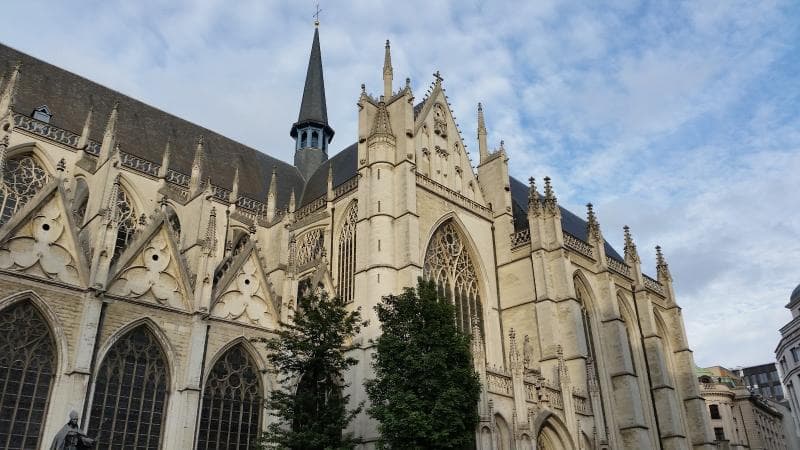
Explore the majestic Nave of Saint-Michael and Saint-Gudula Cathedral in Brussels, Belgium, a stunning example of Brabantine Gothic architecture.
Overview
The nave of the Saint-Michael and Saint-Gudula Cathedral in Brussels, Belgium, stands as a magnificent testament to Brabantine Gothic architecture, inviting visitors into a space of awe-inspiring grandeur and spiritual reflection. This central part of the cathedral is characterized by its imposing scale, soaring vaulted ceilings, and remarkable artistic details. Upon entering, one is immediately struck by the vastness and the interplay of light filtering through the ancient stained-glass windows, creating a serene and contemplative atmosphere.
The nave's architectural features, including its robust columnar piers and intricate carvings, encapsulate centuries of history and craftsmanship. It serves as the primary gathering space within this historic Belgian landmark, guiding the eye towards the choir and altar, and preparing visitors for the profound journey through the cathedral's rich heritage.
History & Cultural Background
The construction of the current Gothic structure of the Saint-Michael and Saint-Gudula Cathedral, including its nave, began in the 13th century, evolving from an earlier Romanesque church established in the 11th century. While the choir was completed between 1226 and 1276, the nave and transept primarily date from the 14th and 16th centuries. The entire cathedral took approximately 300 years to reach its full form, showcasing a remarkable commitment to this architectural marvel.
Throughout its history, the nave has witnessed significant events, reflecting Belgium's religious and national life. It has endured periods of change, including the iconoclasm of the 16th century when many original decorations were destroyed, necessitating later restorations and additions. Elevated to cathedral status in 1962, this venerable edifice, and particularly its nave, continues to serve as Belgium's national church, hosting royal weddings, state funerals, and other ceremonies of national importance.
What Makes It Special
The nave's distinctiveness lies in its quintessential Brabantine Gothic style, characterized by monumental columnar piers that support delicate upper stages and pointed arches. A particularly striking feature is the presence of twelve larger-than-life statues of the apostles, each leaning against a column, welcoming visitors and symbolically leading them toward the choir. These Baroque-style statues, sculpted in the 17th century by renowned Brabantine artists such as Jérôme Duquesnoy the Younger, Lucas Faidherbe, and Tobias de Lelis, replaced those destroyed during the iconoclastic upheavals.
Another unparalleled masterpiece within the nave is the ornate Baroque pulpit, carved in wood by Hendrik Frans Verbruggen in 1699. This intricately detailed pulpit depicts the dramatic expulsion of Adam and Eve from the Garden of Eden at its base, while at its summit, the Madonna and Child triumphantly pierce the serpent, symbolizing redemption. The combination of massive structural elements with fine, decorative details, along with the magnificent stained-glass windows from the 16th, 17th, and 19th centuries, makes the nave a profound artistic and spiritual experience.
Stories, Fun Facts & Local Details
The nave holds several fascinating details that tell stories of its past. Look closely at the capitals of the columns, and you'll observe a double row of curled cabbage leaves, a signature motif of Brabantine Gothic art. At the base of some columns, visitors might notice painted crosses, known as consecration crosses. These were placed during the church's consecration, often using three colors – gold for God the Father, red for Christ, and green for the Holy Spirit – representing the Trinity or the theological virtues of Faith, Hope, and Charity. Interestingly, red and green are also the colors of the city of Brussels.
The current Baroque pulpit has its own journey; it was originally created for the Jesuit church of St. Michael in Leuven before being donated to the Brussels cathedral after the dissolution of the Jesuit Order in 1773. The cathedral itself is built using Gobertange stone, quarried approximately 45 kilometers southeast of Brussels, a local detail that grounds this grand edifice in the Belgian landscape.
Visitor Perspective
For any traveler exploring Brussels, the nave of the Saint-Michael and Saint-Gudula Cathedral offers more than just a historical sight; it provides a sensory journey through centuries of architectural and religious devotion. The sheer height of the vaults and the expansive space create an overwhelming sense of peace and majesty. Walking through the nave allows one to appreciate the skillful craftsmanship of the medieval builders and subsequent artists who contributed to its splendor. The soft, multi-colored light filtering through the historic stained glass windows illuminates the space, creating an ethereal glow that encourages quiet contemplation. A visit here is not merely about observing history but about immersing oneself in an enduring legacy of faith and art, making it a truly memorable experience.
Coordinates: 4.36028, 50.84778
View on Google Maps💬 How Travelers Describe This Place
Based on community votes
Unique
980Must See
712Beautiful
288Photogenic
247Interesting
130
Traveler Stories
Discover memorable experiences shared by travelers who have visited this place.
No traveler stories yet.
Be the first traveler to share what made this place memorable.

Tour
By
Spot
Discover amazing places around the world. Your journey starts here.
Explore
© 2026 TourBySpot. All rights reserved.