National Museum of Nature and Science
Tokyo, Japan
Explore the National Museum of Nature and Science in Ueno Park, Tokyo, Japan, delving into natural history, science, and technology with 25,000 exhibits.
Overview
Nestled within the vibrant cultural hub of Ueno Park in Tokyo, Japan, the National Museum of Nature and Science, affectionately known as 'Kahaku,' stands as a beacon of scientific discovery and natural history. Established in 1877, it is one of Japan's oldest and most comprehensive museums dedicated to exploring the intricate relationships between humankind, nature, and technological advancement. The museum's overarching theme, 'Human Beings in Coexistence with Nature,' guides visitors through a vast collection of approximately 25,000 exhibits spanning two distinct yet interconnected buildings: the Japan Gallery and the Global Gallery.
The museum offers an immersive journey through the natural world and the evolution of science, making it a captivating destination for visitors of all ages. From towering dinosaur skeletons to intricate ecosystems and the wonders of space exploration, Kahaku presents a rich tapestry of knowledge and wonder.
History & Cultural Background
The roots of the National Museum of Nature and Science stretch back to an exhibition held at the Confucian temple of Yushima Seido in 1871. However, its official establishment in Ueno dates to 1877, marking its beginning as a pivotal institution for scientific education and research in Japan. The Japan Gallery, a magnificent Renaissance Revival-style building, was completed in 1931 and has since been designated an Important Cultural Property of Japan. Its distinctive architecture, said to resemble an airplane when viewed from above, was a deliberate design choice, symbolizing the cutting-edge technology of its era and embodying the spirit of scientific progress that the museum champions.
Over its long history, the museum has undergone several name changes, reflecting its evolving mission and scope, eventually becoming the National Museum of Nature and Science in 2007. It has consistently served as a crucial center for research, preserving millions of specimens for study and contributing significantly to the understanding of natural history and science in Japan and beyond.
What Makes It Special
What truly sets the National Museum of Nature and Science apart is its unique blend of extensive collections and innovative interpretive experiences. The museum is renowned for its two major exhibition spaces:
- The Japan Gallery: This gallery delves into the unique natural history of the Japanese archipelago, exploring its geology, diverse flora and fauna, and the intricate relationship between its people and environment. Here, visitors can encounter fascinating displays, including the reconstructed skeleton of Futabasaurus, a dinosaur first discovered in Japan, and the preserved remains of the loyal dog, Hachiko.
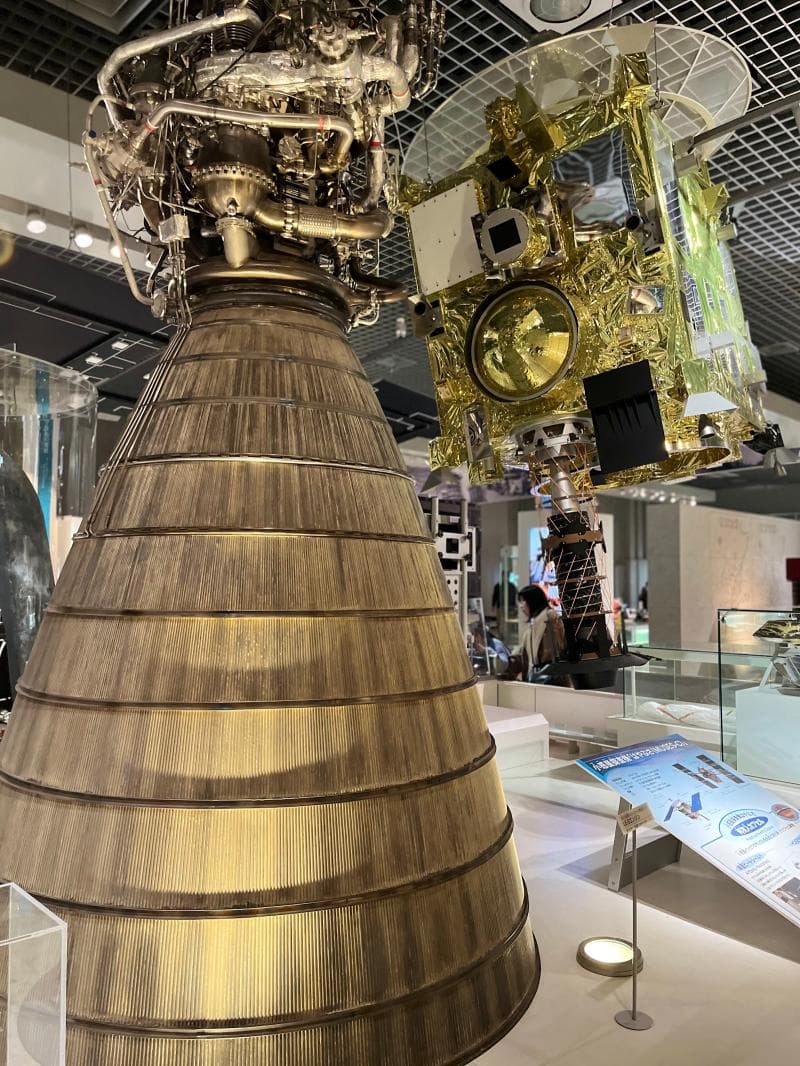
- The Global Gallery: Focusing on the 'History of Life on Earth,' this section traces the grand narrative of life's evolution, from its earliest forms to the development of human culture and technological ingenuity. It features a vast collection of taxidermy animals from around the world, comprehensive dinosaur exhibits, and displays on space exploration, including actual moon rocks brought back by Apollo missions.
A standout attraction is Theater 360 (Theater 36◯), a revolutionary dome theater with a 12.8-meter diameter screen that envelops viewers in a seamless spherical 3D experience. Originally a highlight of Expo 2005 in Aichi, this immersive theater creates a remarkable 'floating sensation' as it presents captivating films on diverse scientific topics, with programs rotating monthly. Beyond this, the museum incorporates numerous interactive exhibits and touchscreen panels, many available in multiple languages, to engage visitors of all ages in hands-on learning.
Stories, Fun Facts & Local Details
The National Museum of Nature and Science holds many intriguing stories and details that enrich the visitor experience. One of its most poignant exhibits is the taxidermied body of Hachiko, the incredibly loyal Akita dog whose story of waiting for his deceased owner at Shibuya Station captivated hearts worldwide. Another fascinating detail is the Japan Gallery's architectural design, which was intentionally shaped like an airplane to reflect the era's advanced technology. Inside, you can marvel at moon rocks from the Apollo 11 and Apollo 17 missions, offering a tangible connection to space exploration.
The museum also proudly displays a full-scale replica of a blue whale, a majestic sight outside the main entrance, and a D51 steam locomotive, harkening back to Japan's industrial heritage. For those curious about the Earth's ancient past, the reconstructed skeleton of Futabasaurus represents a significant find, being the first dinosaur discovered and excavated in Japan, challenging previous assumptions about dinosaurs on the island. Visitors can also discover the museum's tranquil aromatic herb garden on the roof, offering a peaceful respite amidst the scientific wonders.
Visitor Perspective
The National Museum of Nature and Science is designed to offer an enriching and accessible experience for every traveler. Conveniently located within Ueno Park, it is just a short, five-minute walk from Ueno Station, making it easily reachable by train. The admission fees are remarkably reasonable, with free entry for high school students and younger children, as well as for those aged 65 and over, emphasizing its commitment to public education.
With its vast collection of exhibits, it's easy to spend an entire day, or even more, exploring its halls; it's virtually impossible to see all 25,000 exhibits in a single visit. The museum is particularly well-suited for families, with interactive displays and the engaging Theater 360 captivating children and adults alike. Moreover, as all exhibitions are indoors, it presents an ideal activity for a rainy day in Tokyo. To enhance the visitor experience, English brochures and audio guides are available, and the museum provides onsite cafes and restaurants for refreshments, along with a gift shop featuring science-themed merchandise.
Coordinates: 139.776541, 35.716383
View on Google Maps💬 How Travelers Describe This Place
Based on community votes
Must See
944Beautiful
638Interesting
409Unique
363Photogenic
12
Traveler Stories
Discover memorable experiences shared by travelers who have visited this place.
No traveler stories yet.
Be the first traveler to share what made this place memorable.

Tour
By
Spot
Discover amazing places around the world. Your journey starts here.
Explore
© 2026 TourBySpot. All rights reserved.