National Museum Of Natural History
Manila, Philippines
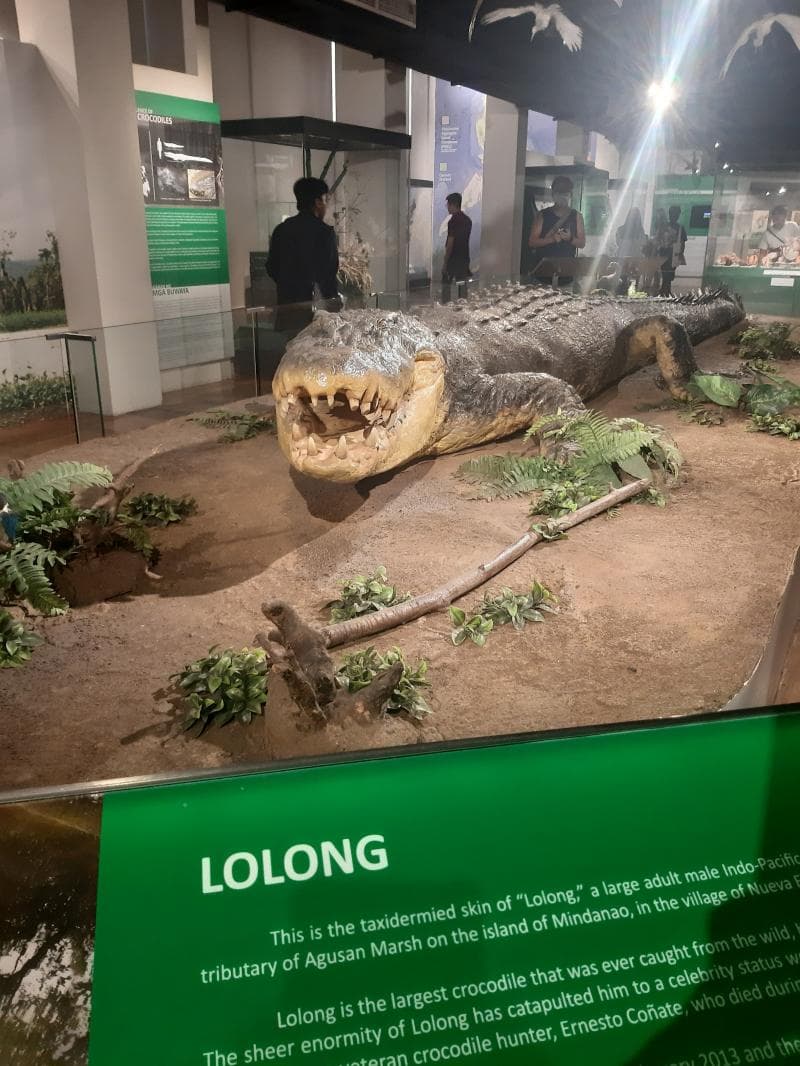
Explore the National Museum of Natural History in Manila, Philippines. Discover the nation's rich biodiversity, iconic 'Tree of Life', and Lolong's skeleton.
Overview
The National Museum of Natural History, a vibrant part of the larger National Museum of the Philippines complex, stands as a testament to the nation's rich biodiversity. Located along Agrifina Circle in Rizal Park, Manila, this institution is dedicated to showcasing the incredible variety of flora, fauna, and geological wonders found across the Philippine archipelago. It officially opened its doors to the public on May 18, 2018, transforming a historic building into a modern, interactive space for learning and discovery. Visitors can embark on a captivating journey through its galleries, exploring everything from towering trees and rare species to deep-sea creatures and ancient geological formations.
History & Cultural Background
The building housing the National Museum of Natural History possesses a rich history of its own. Designed in the Neoclassical style by Filipino architect Antonio Manalac Toledo in the late 1930s, it was originally constructed as the Agriculture and Commerce Building in 1940. It shared the same dimensions and floor plan as its twin structure, the Finance Building, which now hosts the National Museum of Anthropology. Both buildings suffered significant destruction during the Battle of Manila in World War II but were meticulously reconstructed according to Toledo's original plans after the war. For a period, it served as the Department of Tourism building. The conversion into the National Museum of Natural History began in 2013, a project mandated by the National Museum Act of 1998, which aimed to transform three civic buildings in Rizal Park into museums. This transformation was an ambitious cultural project, reflecting the nation's commitment to preserving and presenting its natural heritage.
What Makes It Special
At the heart of the National Museum of Natural History is its awe-inspiring central atrium, dominated by the 'Tree of Life'. This striking architectural feature is a glass-domed canopy with a double helix structure inspired by DNA, symbolically connecting the dome to the atrium's ground. This design was a collaborative effort by architect Dominic Galicia and interior designer Tina Periquet during the building's renovation. The 'Tree of Life' serves as both a magnificent centerpiece and a functional glass elevator, offering panoramic views as visitors ascend through the museum's six floors. The museum houses 12 permanent galleries, each creatively curated to display the biological and geological diversity of the Philippines. Exhibits present a narrative from the mountains to the sea, integrating zoological, botanical, and geological specimens with interactive displays, video guides, and illustrations. A significant highlight is the preserved skeletal remains of Lolong, a saltwater crocodile that once held the Guinness World Record as the largest crocodile in captivity.
Stories, Fun Facts & Local Details
The story of Lolong, the enormous crocodile whose skeleton is a major attraction, adds a touch of local legend to the museum. Lolong was captured in Agusan del Sur and was a true natural marvel of the Philippines. Beyond specific exhibits, the museum itself tells a story of national pride and environmental consciousness. The 'Tree of Life' concept, with its DNA-inspired helix, brilliantly encapsulates the interconnectedness of all life forms and ecosystems unique to the Philippines, from its mountain ridges to its marine reefs. This commitment to celebrating and preserving the country's natural resources is a core objective of the museum, aiming to raise public awareness, especially among the youth. The interactive nature of many exhibits, sometimes allowing visitors to touch, feel, hear, and see, creates a more immersive and memorable learning experience for both children and adults. The museum's free admission makes it widely accessible, democratizing access to education about the Philippines' invaluable natural heritage.
Visitor Perspective
For a curious traveler, the National Museum of Natural History offers an enriching experience that combines education with visual splendor. Admission is free for all visitors, making it an accessible destination for families, students, and tourists alike. The museum is open daily, typically from 9 AM to 6 PM, with the last entry usually an hour before closing. It is highly recommended to visit on weekdays to avoid the larger crowds often present on weekends. While photography for personal use is permitted, visitors should note that video recording, as well as the use of tripods and monopods, is generally not allowed inside the galleries. Proper conduct and decorum are expected. The museum's location within Rizal Park also places it conveniently near its sister institutions, the National Museum of Fine Arts and the National Museum of Anthropology, allowing for a comprehensive cultural exploration of Manila.
Coordinates: 120.982194, 14.583306
View on Google Maps💬 How Travelers Describe This Place
Based on community votes
Beautiful
719Interesting
705Must See
655Unique
396Photogenic
256
Traveler Stories
Discover memorable experiences shared by travelers who have visited this place.
No traveler stories yet.
Be the first traveler to share what made this place memorable.

Tour
By
Spot
Discover amazing places around the world. Your journey starts here.
Explore
© 2026 TourBySpot. All rights reserved.