National Museum Of Contemporary Art
Bucharest, Romania
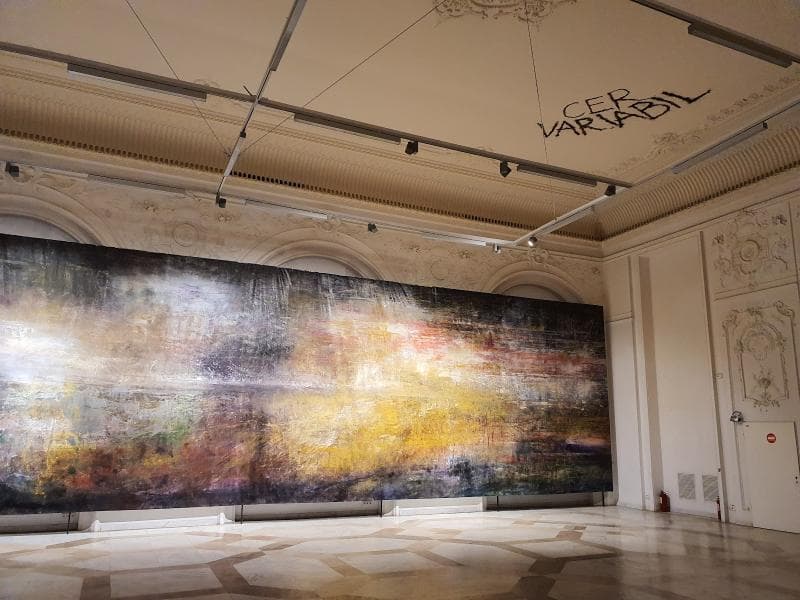
Explore the National Museum Of Contemporary Art (MNAC) in Bucharest, Romania, housed within the Palace Of The Parliament. Discover contemporary Romanian and international art, unique exhibitions, and a rich cultural history.
Overview
Nestled within the monumental architecture of the Palace of the Parliament in Bucharest, Romania, lies the National Museum of Contemporary Art (MNAC). Since its inauguration in 2004, MNAC has emerged as a vibrant cultural beacon, dedicating itself to showcasing and promoting contemporary art from Romania and beyond. It occupies a modern glass wing of the Palace, offering a striking contrast between historical grandeur and contemporary artistic expression.
The museum serves as a dynamic space for artistic innovation, dialogue, and discovery, presenting a diverse array of exhibitions that challenge perceptions and engage visitors. Its strategic location makes it a unique destination, inviting exploration into Romania's artistic landscape within a building that holds immense historical and political weight.
History & Cultural Background
The journey of the National Museum of Contemporary Art began in 2001, initially operating as Kalinderu Medialab within the former Kalinderu Foundation. It was formed through the merger of the Contemporary Art Department of the National Museum of Art of Romania (MNAR) and the National Bureau for Art Documentation and Exhibition (ONDEA). This foundational period laid the groundwork for what would become a pivotal institution for modern art in the country.
A significant turning point occurred in 2004 when MNAC relocated its primary space to the Palace of the Parliament. This move was not without its complexities and has been a subject of discussion within the artistic community. The Palace itself, originally known as the 'People's House' and built during the communist regime, is a symbol of a turbulent past. Housing a contemporary art museum within such a historically charged structure creates a powerful and often poignant dialogue between past and present, tradition and innovation. MNAC embraced this inherent contradiction, transforming its location into a unique platform for free expression and critical reflection on Romania's evolving identity and visual culture.
What Makes It Special
MNAC stands out for its expansive galleries and eclectic programming, offering a kaleidoscope of artistic visions. The museum’s exhibitions span a wide spectrum of media and styles, from traditional paintings and thought-provoking conceptual installations to cutting-edge digital art and cartoons. It consistently features both established and emerging artists from Romania and internationally, providing fresh perspectives and fostering a rich cultural exchange.
The museum boasts an impressive collection of over 7,000 works from the post-war period, with a significant portion inherited from the institutions that merged to form MNAC. A notable highlight is its special photography program, which includes a remarkable collection of slides and negatives documenting the evolution of photographic art. Furthermore, the Documentary Department serves as a valuable resource, housing extensive records on over ten thousand artists and thematic databases chronicling contemporary art trends. MNAC is truly a dynamic cultural institution, regularly hosting temporary exhibitions, workshops, and events that play a crucial role in Bucharest's vibrant artistic scene.
Stories, Fun Facts & Local Details
One of the most captivating aspects of MNAC is its unconventional setting. The idea of a museum dedicated to contemporary art, a realm of constant change and often critical commentary, operating within the imposing and historically controversial Palace of the Parliament, creates a compelling narrative. This spatial juxtaposition inherently sparks conversation, symbolizing an artistic 'exorcism' of the building's past and turning it into a venue for open expression.
A particular treat for visitors is the museum's rooftop bookstore and café. Accessible via a glass elevator, this space offers not only cultural contemplation but also panoramic views of Bucharest, including the ongoing construction of the future Cathedral of National Salvation. It’s a place where you can enjoy a coffee while reflecting on the city's complex layers of history and its modern artistic pulse, embodying the museum's unique spirit of combining high art with an unexpected, breathtaking vista.
Visitor Perspective
Visiting the National Museum of Contemporary Art offers an immersive journey into Romania's vibrant modern culture. Entry to the museum is via Calea 13 Septembrie, specifically gate B3 / entrance E1, located at the back of the Palace of Parliament. It's important to note that a visit to MNAC is separate from tours of the Palace of the Parliament, requiring distinct tickets.
The museum is committed to accessibility, welcoming visitors with physical disabilities and providing electric ramps and wheelchair-accessible lifts to ensure everyone can enjoy the exhibitions. For those planning a visit, consider that entry is free on the first Wednesday of every month, offering an excellent opportunity to experience its collections without a fee. MNAC provides a captivating window into the creative spirit of Bucharest, where tradition meets innovation, promising a meaningful and culturally enriching experience for every curious traveler.
Coordinates: 26.0870083, 44.4280389
View on Google Maps💬 How Travelers Describe This Place
Based on community votes
Unique
623Photogenic
545Interesting
343Beautiful
302Must See
88
Traveler Stories
Discover memorable experiences shared by travelers who have visited this place.
No traveler stories yet.
Be the first traveler to share what made this place memorable.

Tour
By
Spot
Discover amazing places around the world. Your journey starts here.
Explore
© 2026 TourBySpot. All rights reserved.