National Museum Of Anthropology
Manila, Philippines
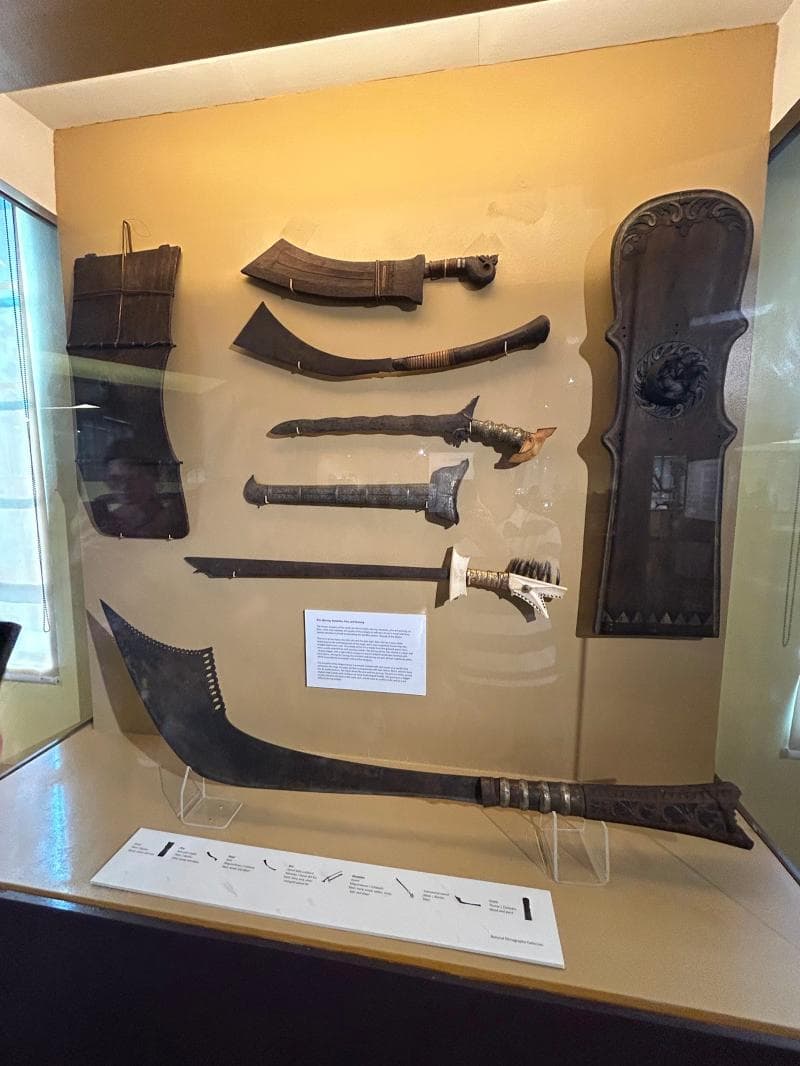
Explore the National Museum of Anthropology in Manila, Philippines, and discover ancient artifacts and cultural treasures of the Filipino people.
Overview
Nestled within the vibrant heart of Manila, the National Museum of Anthropology stands as a captivating testament to the Philippines' rich ethnological and archaeological heritage. Part of the expansive National Museum of the Philippines complex, this institution offers a profound journey into the origins and cultural tapestry of the Filipino people. Formerly known as the Museum of the Filipino People, it serves as a central hub for understanding the nation's diverse indigenous cultures and ancient past, showcasing invaluable artifacts that narrate centuries of history and tradition.
Housed in a grand neoclassical building, the museum's strategic location in Agrifina Circle, Rizal Park, places it alongside other significant cultural landmarks, creating an easily accessible cultural destination. It functions as a governmental trust dedicated to educating the public and preserving the unique cultural identity of the Philippines for future generations.
History & Cultural Background
The building that now houses the National Museum of Anthropology carries a rich history of its own. Constructed between 1916 and 1918, its neoclassical design was the brainchild of Canadian-American architect Ralph Harrington Doane, who served as a consulting architect to the Philippine government. Initially, this imposing structure was home to the Department of Finance.
During the tumultuous Battle of Manila in World War II, the building suffered significant damage as it was part of the Japanese defensive installations. Following the war, it underwent reconstruction in 1949, carefully maintaining its original architectural grandeur. In 1998, a pivotal transformation occurred when the building was converted into the Museum of the Filipino People. It was later formally renamed the National Museum of Anthropology in 2018, solidifying its role as the primary repository for the nation's anthropological and archaeological treasures.
What Makes It Special
The National Museum of Anthropology is a treasure trove of exhibits that bring the pre-colonial and indigenous cultures of the Philippines to life. Among its most celebrated possessions is the Manunggul Jar, a National Cultural Treasure dating back to the Late Neolithic Period, renowned for its intricate burial scene depicting souls journeying to the afterlife. Another significant display is the Tabon Skull Cap, one of the earliest human remains found in the Philippines, dating to around 16,500 BC, offering a glimpse into ancient Filipino existence.
Visitors can explore the Baybayin Gallery, which highlights ancient and traditional Filipino scripts, challenging the notion that early Filipinos lacked sophisticated writing systems. The Hibla ng Lahing Pilipino Gallery celebrates the artistry of Philippine textiles, showcasing exquisite woven fabrics like the kinuttiyan death blanket and ancient Banton cloth fragments, each telling a story of cultural symbolism and heritage. Other galleries feature collections such as 'Bululs' (Ifugao rice guardian figures), artifacts from the San Diego shipwreck, and rich ethnographic displays focusing on indigenous communities like the Lumad, Bangsamoro, and Negrito peoples.
Stories, Fun Facts & Local Details
Beyond the impressive artifacts, the museum itself holds stories. The building's resilience, having been heavily bombed during World War II and then meticulously restored, mirrors the enduring spirit of the Filipino people. The architectural details, with its giant Corinthian columns and a grand stairway leading to a columned portico, speak of a bygone era of elegance and importance.
A fascinating aspect for visitors is the detailed information provided alongside exhibits, allowing for a deep, self-guided exploration of Filipino culture. The diverse collections, from intricate basketry in the 'Entwined Spheres' exhibit to the spiritual significance of 'Anito' beliefs in Northern Luzon, offer a mosaic of local practices and beliefs. It's a place where you can witness the evolution of rice cultivation, understand ancient maritime trade routes, and appreciate the craftsmanship embedded in everyday objects and ritualistic items.
Visitor Perspective
The National Museum of Anthropology welcomes visitors with free admission, making it an accessible cultural experience for everyone. It is typically open Tuesday through Sunday, with hours generally from 9 AM to 6 PM. While the museum does not offer guided tours, the wealth of information accompanying each exhibit ensures a comprehensive and engaging self-guided journey.
To ensure the preservation of its precious collections, visitors are asked to observe certain guidelines: large bags (exceeding 33 x 43 cm), food, drinks, tripods, and flash photography are not permitted inside the galleries. Despite its vastness across five floors, the museum's layout encourages discovery, immersing visitors in the narratives of the Philippines' past and present cultures. Allow at least two hours to comfortably explore the main attractions.
Coordinates: 120.98083, 14.58528
View on Google Maps💬 How Travelers Describe This Place
Based on community votes
Unique
958Beautiful
794Must See
571Photogenic
565Interesting
157
Traveler Stories
Discover memorable experiences shared by travelers who have visited this place.
No traveler stories yet.
Be the first traveler to share what made this place memorable.

Tour
By
Spot
Discover amazing places around the world. Your journey starts here.
Explore
© 2026 TourBySpot. All rights reserved.