National Monument
Amsterdam, Netherlands
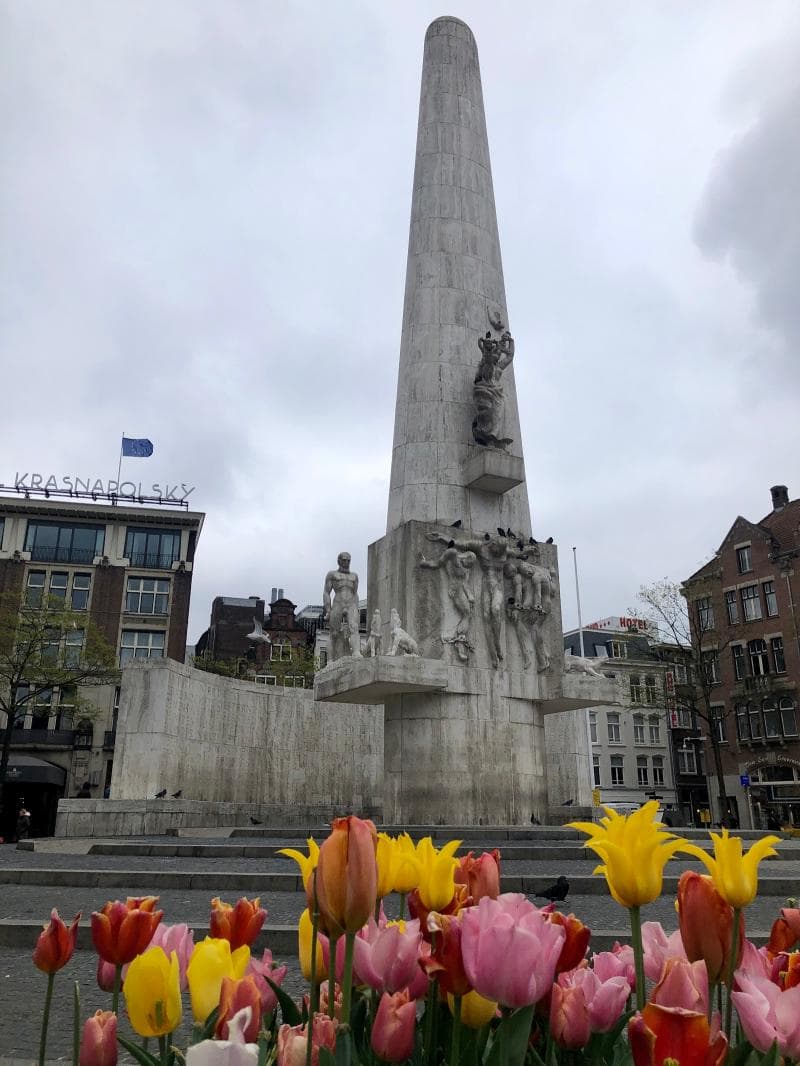
Discover the National Monument on Dam Square in Amsterdam, Netherlands. A profound WWII memorial honoring peace, freedom, and Dutch resilience.
Overview
Standing majestically at the heart of Amsterdam's iconic Dam Square, the National Monument, known locally as Nationaal Monument op de Dam, is far more than just a towering structure. It is a profound and poignant symbol, a constant reminder of the human cost of conflict and a beacon of hope for peace and freedom. This impressive 22-meter tall cenotaph, crafted from white travertine stone, serves as the Netherlands' most significant memorial to the victims of World War II and all subsequent armed conflicts. It's a place where the bustling energy of Amsterdam momentarily hushes, inviting reflection and remembrance, year-round and free for all to visit.
History & Cultural Background
The story of the National Monument begins in the immediate aftermath of World War II. Following the liberation of the Netherlands in May 1945, a temporary liberty pole was erected on Dam Square, signifying newfound freedom. The Dutch government soon proposed a permanent memorial to honor the more than 205,000 Dutch casualties and the resistance during the occupation. In 1947, an interim monument was placed, featuring 11 urns filled with soil from execution grounds and war cemeteries across each Dutch province. Three years later, a twelfth urn containing soil from the former Dutch East Indies (now Indonesia) was added, broadening the scope of remembrance.
The definitive monument, as we know it today, was designed by renowned Dutch architect J.J.P. Oud, with the intricate sculptures crafted by Johannes Anton Rädecker and reliefs by Paul Grégoire. Sadly, Rädecker passed away before its completion, with his sons Han and Jan Willem Rädecker stepping in to finish the artistic vision. On May 4, 1956, Queen Juliana of the Netherlands officially unveiled the monument, cementing its role as the central point for the annual National Remembrance of the Dead (Nationale Dodenherdenking).
What Makes It Special
The National Monument's power lies in its detailed and deeply symbolic design. The central obelisk is adorned with several sculptural groups that collectively tell a story of suffering, resistance, and ultimately, peace. At the front, four chained male figures represent the agony and oppression of war. Above them, a female figure cradles a child, surrounded by doves, symbolizing victory, liberation, and new beginnings. On either side, two additional male figures with dogs depict the Dutch Resistance, encompassing the working class and intellectuals, embodying grief, pain, loyalty, and suffering. Doves flying upwards from the monument symbolize the spirit of freedom.
Behind the central pylon stands a semi-circular remembrance wall. Within its niches, the twelve urns holding soil from significant sites across the Netherlands and Indonesia serve as a tangible link to the sacrifices made. These collected soils make the monument a symbolic collective grave, connecting visitors to the countless individuals whose lives were lost or forever altered by conflict. The entire composition, flanked by two proud lion sculptures representing the Netherlands, creates a powerful narrative etched in stone.
Stories, Fun Facts & Local Details
Beyond its solemn purpose, the National Monument has witnessed many chapters of Amsterdam's history. In the late 1960s and early 1970s, it unexpectedly became a focal point for the counter-culture movement. Hippies, seeking a symbol of liberty, famously gathered and even slept around the monument, leading to the term 'Damslapen' ('Dam sleeping'). This practice eventually led to clashes with authorities and a ban, though it remains a curious anecdote in the monument's timeline.
The monument has undergone several important restorations to maintain its structural integrity and ensure its longevity. Major works were carried out in 1965 and between 1997-1998, during which the entire monument was temporarily disassembled to replace its brick interior with concrete. More recently, in 2022, further restorations have taken place, ensuring this vital landmark endures for future generations. Its significance was further recognized in 2009 when it gained 'rijksmonument' status, designating it as a national heritage site.
Visitor Perspective
Visiting the National Monument offers a unique opportunity to connect with a profound piece of Dutch history. Situated on the eastern side of the lively Dam Square, it stands in stark contrast to the surrounding architectural grandeur and the constant flow of city life. Yet, its presence is undeniable. Visitors often spend 20-30 minutes here, absorbing its details and reflecting on its message. While no tours are strictly necessary to appreciate its exterior, its meaning deepens with an understanding of its symbolism. The monument is freely accessible 24 hours a day, every day, allowing for quiet contemplation at any time. In 2007, a wheelchair ramp was added, ensuring that all visitors can approach and pay their respects. Each year on May 4th, the square transforms into a solemn gathering place for the National Remembrance Day ceremony, a powerful event attended by the royal family and thousands of citizens, observing two minutes of silence to honor those remembered here.
Coordinates: 4.89361, 52.37278
View on Google Maps💬 How Travelers Describe This Place
Based on community votes
Must See
726Beautiful
717Photogenic
449Unique
335Interesting
22
Traveler Stories
Discover memorable experiences shared by travelers who have visited this place.
No traveler stories yet.
Be the first traveler to share what made this place memorable.

Tour
By
Spot
Discover amazing places around the world. Your journey starts here.
Explore
© 2026 TourBySpot. All rights reserved.