National Folk Museum
Seoul, South Korea
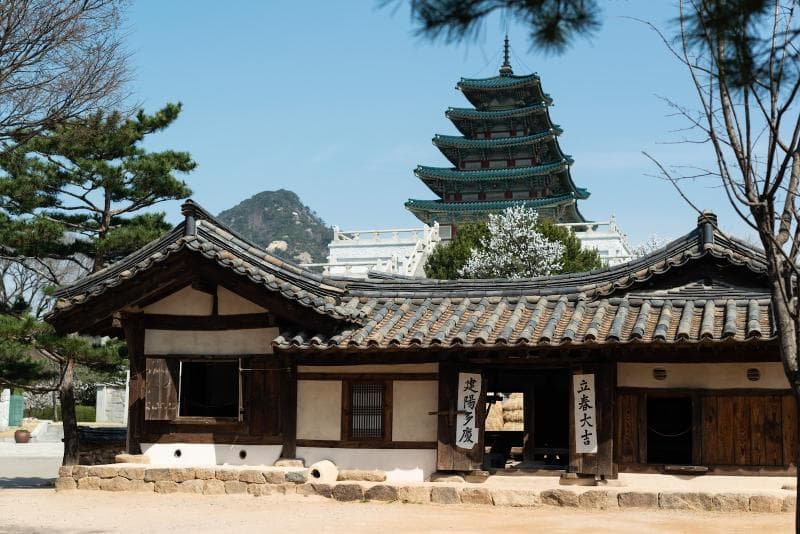
Explore the National Folk Museum of Korea in Seoul, South Korea, for a deep dive into traditional Korean life, history, and customs.
Overview
Nestled within the historic grounds of Gyeongbokgung Palace in Seoul, South Korea, the National Folk Museum of Korea offers a captivating journey into the heart of traditional Korean life. This esteemed institution serves as a vital repository of the nation's folk culture, showcasing the everyday lives, customs, and beliefs of ordinary Koreans from prehistoric times through the end of the Joseon Dynasty and beyond. Far from being a dusty collection of artifacts, the museum vividly brings to life the resilience, ingenuity, and unique spirit of the Korean people. It is a place where history breathes through meticulously recreated scenes, thousands of artifacts, and engaging exhibits, making it an essential visit for anyone seeking to understand the rich tapestry of Korean heritage. Admission to the museum is free, though a separate ticket is required for entry to Gyeongbokgung Palace itself.
History & Cultural Background
The origins of the National Folk Museum of Korea trace back to the Chosun Folk Art Museum, established in 1924 during the Japanese occupation. After Korea's liberation, a successor museum was founded on November 8, 1945, opening to the public on April 25, 1946. Over decades, the museum's location and name evolved, moving to the grounds of Gyeongbokgung Palace in 1975 and finally settling into its present distinctive building in 1993, which previously housed the National Museum of Korea. The building's architectural design itself is inspired by various historical Korean structures, hinting at the cultural treasures housed within. Its primary mission has always been to investigate, collect, preserve, and exhibit artifacts that shed light on Korean folklife, thereby fostering a deeper appreciation and understanding of the nation's cultural identity and heritage for future generations.
What Makes It Special
The National Folk Museum of Korea stands out for its comprehensive approach to presenting Korean folk culture. With over 98,000 artifacts in its collection, it utilizes replicas of historical objects and immersive displays to illustrate the lifestyles and traditions of everyday Koreans. The museum features three main permanent exhibition halls, each delving into different aspects of Korean life: the 'History of Korean People', covering daily life from prehistoric times to the Joseon period; 'Korean Way of Life', illustrating ancient villagers' lives; and 'Life Cycle of the Koreans', which explores the profound influence of Confucianism on Korean customs. Beyond the indoor galleries, a particularly special feature is the open-air exhibition, often referred to as the 'Street of Memories'. This meticulously recreated streetscape transports visitors to a late 19th-century or 1970s-80s Korean neighborhood, complete with traditional shops, hanok-style buildings, and even a streetcar, offering a nostalgic glimpse into a bygone era. The museum also hosts various special exhibitions, performances, and hands-on activities, ensuring a dynamic and enriching experience for all ages. It includes a dedicated Children's Museum, designed to engage younger visitors with Korean culture through interactive exhibits.
Stories, Fun Facts & Local Details
One fascinating aspect of the museum is its dedication to showcasing the ordinary. While palaces tell tales of royalty, this museum celebrates the lives of common folk—their tools, their clothing, their celebrations, and their struggles. Imagine walking through the 'Street of Memories' and feeling as though you've stepped onto the set of a classic K-drama, particularly those set in the 1980s. The detailed replicas of dry goods stores, herb shops, and even a 1930s-style print shop offer a tangible connection to Korea's recent past. It's a fun fact that the museum actively collects contemporary items, demonstrating that 'folk culture' is not just ancient history but a living, evolving tradition. Visitors might also find interest in the replicas of spirit posts and stone piles, traditional elements where villagers once offered prayers, providing a glimpse into the spiritual life of past Koreans. The museum frequently hosts cultural performances and demonstrations, sometimes allowing visitors to try their hand at traditional crafts or games, deepening the cultural immersion beyond mere observation.
Visitor Perspective
A visit to the National Folk Museum of Korea provides a comprehensive and accessible cultural experience. Many visitors find the museum to be an unexpected highlight, offering a deeper understanding of Korea beyond its royal history. The free admission is a significant draw, making it an excellent addition to any Gyeongbokgung Palace itinerary. The museum is well-equipped for international visitors, offering free guided tours in English, Chinese, and Japanese, which greatly enhance the understanding of the exhibits. With detailed English explanations accompanying most displays, navigating the museum is straightforward and informative. Allow at least two to three hours to fully appreciate the extensive collections, especially if you wish to explore the outdoor exhibits and the Children's Museum. Whether you are a history enthusiast, a family with curious children, or simply a traveler looking to connect with the soul of Korea, this museum offers a memorable and enlightening journey through the everyday heritage of a vibrant nation.
Coordinates: 126.97899, 37.58182
View on Google Maps💬 How Travelers Describe This Place
Based on community votes
Interesting
733Unique
642Must See
409Photogenic
375Beautiful
12
Traveler Stories
Discover memorable experiences shared by travelers who have visited this place.
No traveler stories yet.
Be the first traveler to share what made this place memorable.

Tour
By
Spot
Discover amazing places around the world. Your journey starts here.
Explore
© 2026 TourBySpot. All rights reserved.