National Archives Section
Dushanbe, Tajikistan
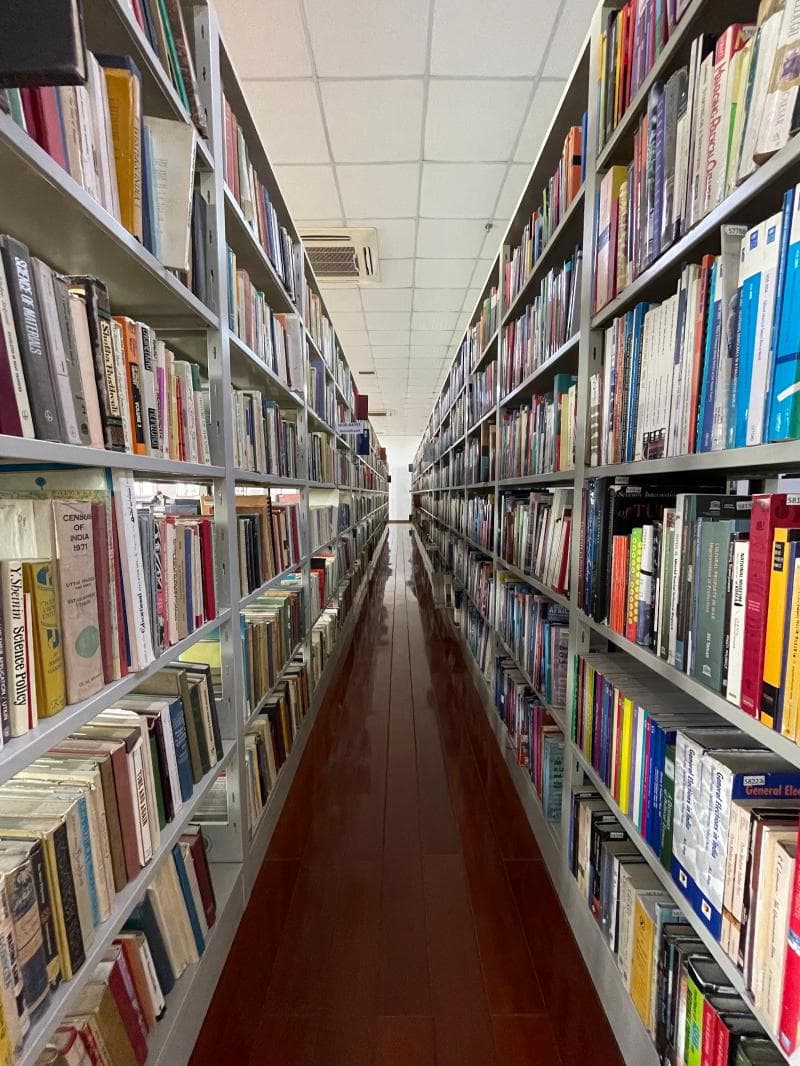
Explore the National Archives Section within the Tajikistan National Library in Dushanbe, a key repository of the nation's heritage.
Overview
Nestled in the vibrant heart of Dushanbe, the Tajikistan National Library stands as a beacon of knowledge and a paramount guardian of the nation's rich cultural and historical legacy. More than just a collection of books, it functions as a comprehensive repository, housing an invaluable 'National Archives Section' that meticulously preserves the documented heritage of the Tajik people. This architectural marvel, resembling an open book, is a testament to the country's reverence for learning and its commitment to safeguarding its past for future generations. It serves not only as a traditional library but also as a vital archival institution, diligently collecting and conserving national periodical press, ancient manuscripts, and various historical documents that chronicle Tajikistan's journey.
History & Cultural Background
The origins of the Tajikistan National Library trace back to January 1933, when it was founded on the groundwork of the Dushanbe city library. A year later, in 1934, it was named after the revered classical Persian poet, Abulkasim Ferdowsi, a figure central to Tajik-Persian literature. This initial dedication underscored the institution's profound connection to the region's literary roots. Over the decades, its significance grew, and in 1993, the Ferdowsi-named library was officially granted the status of a national library. The grand, new nine-story building, which now houses the library, was inaugurated on March 20, 2012, on the eve of the international Nowruz celebration, marking a new chapter in its esteemed history. This modern structure replaced the older facility, significantly expanding its capacity and technological capabilities to better serve its role as the country's main repository of cultural heritage.
What Makes It Special
What truly sets the Tajikistan National Library apart, particularly its archival aspect, is its dual function as both a modern library and a crucial cultural archive. Its distinctive architecture, a towering nine-story building crafted to resemble an open book, symbolizes the boundless knowledge it contains and its role as a gateway to learning. Spanning an impressive 45,000 square meters, it proudly holds the title of the largest library in Central Asia. Within its vast collections, the 'National Archives Section' is implicit in its function to preserve cultural heritage, including an archive of the national periodical press and a significant collection of ancient manuscripts. These holdings include rare books and manuscripts spanning seven centuries, from the 13th to the 19th, featuring works by eminent Persian classical authors such as Ferdowsi, Sa'di, Hafez, and Jami. The library is also committed to collecting publications in the Tajik language and local history literature, making it a comprehensive archive of the nation's intellectual and historical output.
Stories, Fun Facts & Local Details
The library is not only a functional institution but also a symbol of national pride, deeply embedded in the cultural fabric of Tajikistan. Its iconic open-book design is so recognizable that the new building is featured on the Tajik 200 somoni banknote, a clear indicator of its status as a national treasure. As you approach the central facade, you'll notice 22 busts honoring prominent figures from Tajik history, literature, science, and culture, offering a visual journey through the nation's intellectual lineage. The library actively embraces modern technology, providing a digital collection known as the 'Tajikistan National Electric Library,' which offers free access to citizens within the country, bridging traditional preservation with contemporary accessibility. This blend of ancient wisdom and modern innovation makes it a truly dynamic center of knowledge.
Visitor Perspective
For a curious traveler, the Tajikistan National Library offers a profound glimpse into the soul of a nation. While specific access to all archival holdings might require prior arrangements, the sheer scale and grandeur of the building itself are impressive. Visitors can explore various exhibition halls, particularly those dedicated to ancient manuscripts and rare books, offering a tangible connection to Tajikistan's past. The library boasts numerous reading rooms and ample seating, providing a serene environment for study and contemplation. Engaging with the architecture, observing the busts of national heroes, and understanding its role as a custodian of national memory offers a unique cultural experience, even if one is not delving deep into research. The library stands as a vibrant, living monument to Tajikistan's enduring commitment to its heritage, inviting all to appreciate the wealth of knowledge it protects.
Coordinates: 68.78366, 38.57319
View on Google Maps💬 How Travelers Describe This Place
Based on community votes
Unique
872Beautiful
846Interesting
684Photogenic
363Must See
87
Traveler Stories
Discover memorable experiences shared by travelers who have visited this place.
No traveler stories yet.
Be the first traveler to share what made this place memorable.

Tour
By
Spot
Discover amazing places around the world. Your journey starts here.
Explore
© 2026 TourBySpot. All rights reserved.