Narrow Alleyways
Bergen, Norway
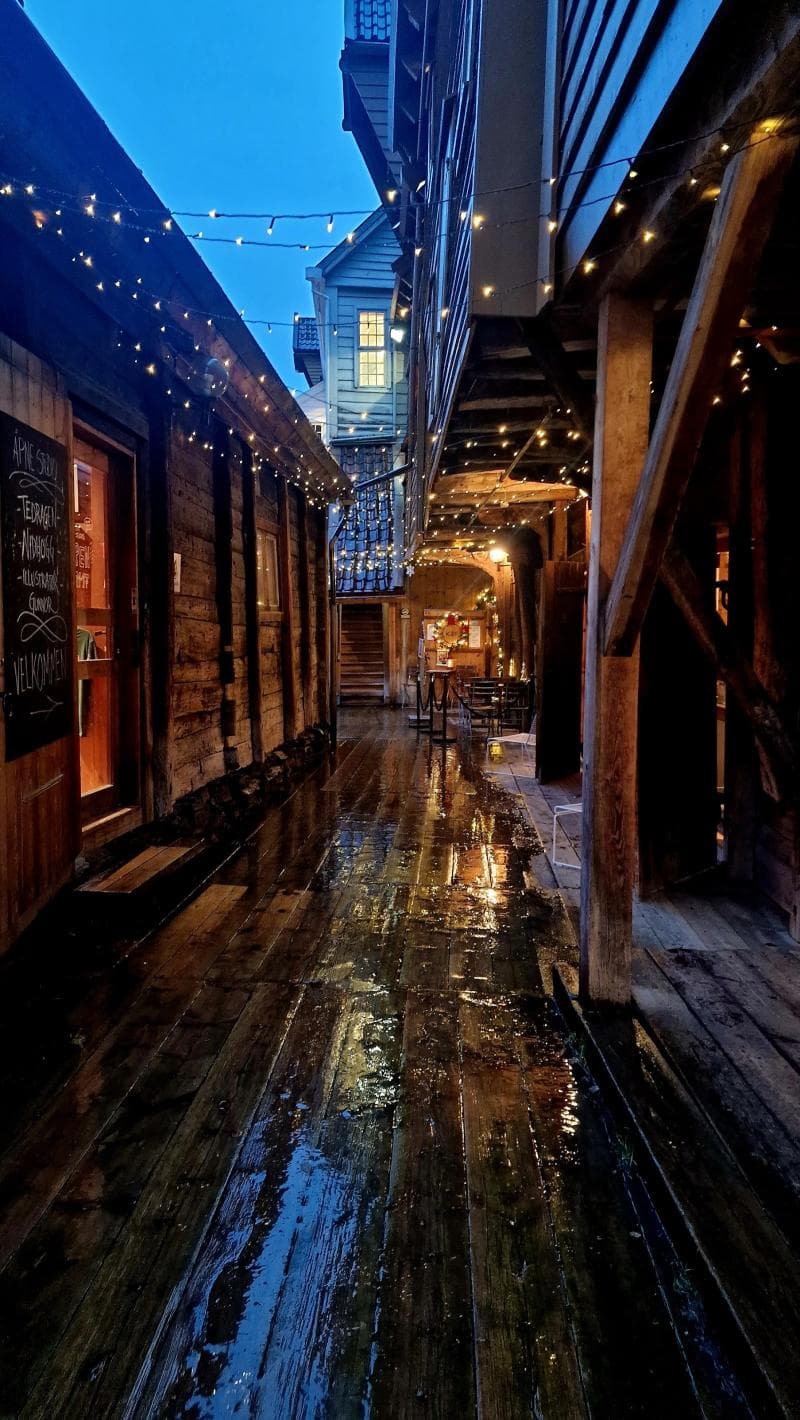
Explore the narrow alleyways of Bryggen, Bergen, Norway's UNESCO World Heritage site. Discover hidden artisan shops, medieval history, and unique wooden architecture.
Overview
Stepping into the narrow alleyways of Bryggen in Bergen, Norway, is like walking through a living postcard from a bygone era. This iconic UNESCO World Heritage site, nestled along the eastern side of the Vågen harbour, is instantly recognizable by its vibrant, gabled wooden houses. What many visitors first see from the waterfront is just the beginning; the true magic of Bryggen lies in the intricate network of passages and courtyards hidden behind these facades. These intimate thoroughfares, known as alleyways, reveal a hidden world of artisan workshops, unique boutiques, galleries, and inviting cafes, inviting curious travelers to delve deeper into its history and charm.
History & Cultural Background
Bryggen's history is inextricably linked to the founding and development of Bergen itself. The city of Bergen was established around 1070 AD, and Bryggen was among its very first built-up areas. For centuries, it served as a vital trading hub, particularly famous for the export of stockfish, which connected Norway to the broader European market. A pivotal moment in Bryggen's history occurred around 1360 when the German Hanseatic League established one of its four main foreign offices, or 'Kontors,' here. For nearly 400 years, the Hanseatic merchants dominated trade, profoundly shaping the architectural and cultural landscape of Bryggen.
Despite its enduring presence, Bryggen has faced numerous challenges, most notably devastating fires. The Great Fire of 1702 was particularly destructive, reducing much of the area to ashes. However, Bryggen's resilience is legendary. Each time, the wooden structures were painstakingly rebuilt directly upon their original 12th-century foundations, preserving the medieval layout and architectural character that defines it today. This remarkable preservation led to its inscription as a UNESCO World Heritage site in 1979, recognized for its exceptional testimony to a cultural tradition and its unique 'fondaco' type, a Northern European trading port structure.
What Makes It Special
The narrow alleyways are undeniably what make Bryggen truly special. These tight passages, often dimly lit and sometimes covered by overhanging wooden galleries, offer an unparalleled sense of time travel. Unlike the grand, open streets of many historic city centers, Bryggen's alleyways showcase a pragmatic and close-knit medieval urban design, where space was at a premium. They are the arteries of Bryggen, leading you away from the main waterfront promenade into a labyrinthine world of craftsmen and small businesses. Here, you discover jewelers shaping precious metals, artists creating in their studios, and textile designers weaving modern tales into ancient settings. The distinct wooden architecture, with its leaning structures and rustic charm, evokes a profound connection to the past, reminding visitors of the merchants who once bustled through these very lanes.
Stories, Fun Facts & Local Details
Imagine the air in Hanseatic times: a mixture of the 'sweet scent of tar' from the wooden buildings, often overpowered by the 'heavier odour of dried fish,' the primary commodity traded here. A visit to the nearby St. Mary's Church offers another glimpse into this German influence, as priests preached in German during the Hanseatic period. The iconic wooden fish sculpture in Bryggestredet stands as a symbol of Bergen's continuous, thousand-year legacy as a fishing trade city.
While the buildings are beautiful, they are also prone to sagging and tilting. This phenomenon, often humorously referred to as 'the sinking of Bryggen,' is a result of their wooden construction on structurally questionable ground, and is a constant challenge for preservation efforts. You might even find a quaint cafe, such as Kaf Kafe, tucked away in one of these atmospheric alleyways, like Jacobsfjorden, offering a perfect spot to pause and absorb the centuries of history surrounding you. For a deeper dive into the daily lives of the Hanseatic merchants, the Hanseatic Museum and Schøtstuene provide fascinating insights, recreating the living and working conditions of that era.
Visitor Perspective
Exploring Bryggen's narrow alleyways offers a uniquely immersive experience. Travelers are encouraged to wander at their own pace, allowing the historic ambiance to wash over them. While walking through these passages, you can feel the centuries-old timber buildings 'whisper their stories'. The intimate atmosphere provides a direct connection to Bergen's past, revealing architectural details and hidden corners often missed from the main street. Be mindful that these historic pathways can be slippery when wet, a small reminder of their age and authenticity. For those seeking a more in-depth understanding, guided tours are readily available, providing expert insights into the site's rich history. To help preserve the delicate charm of this UNESCO site, visitors are also encouraged to explore during off-peak hours, contributing to its ongoing conservation. Access to Bryggen itself, including its charming alleyways, is free, making it an accessible and rewarding part of any visit to Bergen.
Coordinates: 5.32306, 60.39722
View on Google Maps💬 How Travelers Describe This Place
Based on community votes
Must See
996Beautiful
726Unique
717Interesting
335Photogenic
22
Traveler Stories
Discover memorable experiences shared by travelers who have visited this place.
No traveler stories yet.
Be the first traveler to share what made this place memorable.

Tour
By
Spot
Discover amazing places around the world. Your journey starts here.
Explore
© 2026 TourBySpot. All rights reserved.