Nanluoguxiang
Beijing, China
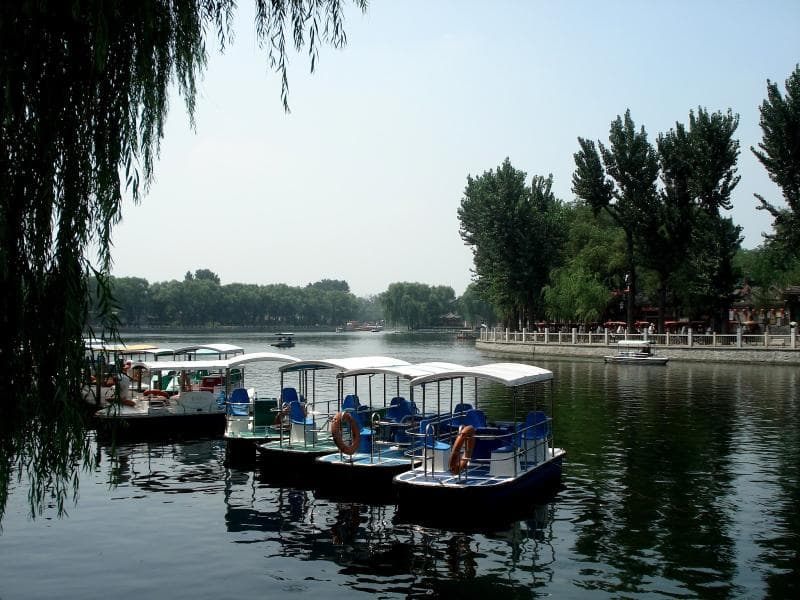
Explore Nanluoguxiang, a historic hutong in Beijing, China. Discover ancient architecture, vibrant culture, unique shops, and local delicacies.
Overview
Nestled within the ancient labyrinth of Beijing's Hutongs, Nanluoguxiang stands as a vibrant testament to the city's rich history and evolving culture. This approximately 787 to 800-meter-long north-south alleyway, often referred to as 'Centipede Street' due to its distinctive layout, offers a captivating blend of traditional Chinese architecture and contemporary urban life. It is located in the Dongcheng District and serves as a popular destination where visitors can immerse themselves in the authentic charm of old Beijing while enjoying modern amenities.
Nanluoguxiang is more than just a street; it is a living museum, showcasing the unique texture of Yuan Dynasty hutongs and courtyards, making it a resource-rich traditional residential area. It seamlessly connects the past and present, providing a lively atmosphere that draws travelers and locals alike to explore its main thoroughfare and numerous side alleys.
History & Cultural Background
The origins of Nanluoguxiang trace back to the Yuan Dynasty, established around 1276 during the construction of Dadu, the Yuan capital. This makes it one of Beijing's oldest residential blocks, preserving a classic 'fishbone' street pattern – a central spine with eight symmetrical hutongs branching off each side. Throughout the Ming and Qing Dynasties, its proximity to the Forbidden City elevated its status, transforming it from a commoners' residential area into an affluent enclave home to numerous officials, nobility, and cultural celebrities.
The cultural significance of Nanluoguxiang lies in its remarkable preservation. While many hutongs in Beijing faced demolition due to rapid modernization, Nanluoguxiang has maintained its historic charm, making it a precious relic of Beijing's social structure, traditions, and way of life. Its renovation for the 2008 Olympics further transformed it into a popular hotspot, carefully balancing historical authenticity with modern appeal.
What Makes It Special
What truly sets Nanluoguxiang apart is its unique combination of historical integrity and contemporary vibrancy. The main alley is flanked by 16 smaller hutongs, eight on the east and eight on the west, forming its characteristic 'fishbone' or 'centipede' shape. These alleys are lined with traditional courtyard homes, known as siheyuan, many of which have been thoughtfully converted into boutique shops, cozy cafes, art galleries, and restaurants, offering a blend of traditional Chinese elements and modern aesthetics.
It stands out as one of the best places to experience Beijing's hutong life, with its Yuan-dynasty street layout still in use today. Visitors can explore a mix of traditional stores showcasing China's past and trendy shops offering unique finds, from traditional crafts to quirky souvenirs and designer items. The area is also celebrated for its diverse culinary scene, providing a concentrated taste of classic Beijing snacks and dishes.
Stories, Fun Facts & Local Details
Nanluoguxiang is rich with stories and delightful details. Its nickname, 'Centipede Street' (Wugong Xiang), comes from its symmetrical side alleys resembling the legs of a centipede when viewed from above. Historically, it was divided between two ancient wards, An Fu Fang and Hour Yong Fang, during the Yuan and Ming Dynasties, and later between the eastern 'Zhaohui Ward' and western 'Jinggong Ward'.
Many of the courtyards down its side alleys once belonged to notable historical figures, including high-ranking officials and literary personalities. For example, Houyuanensi Hutong was Mao Dun's former home, and Yuer Hutong housed the residence of renowned painter Qi Baishi. Exploring these quieter lanes offers a glimpse into authentic local life, where residents go about their daily routines, elders play chess, and the distant sound of Peking Opera can be heard. The alley is also famous for its local delicacies, such as Beijing Zhajiangmian, fried sausage, and tanghulu.
Visitor Perspective
For the curious traveler, Nanluoguxiang offers an accessible and enriching experience. It's easily reachable via the Nanluoguxiang subway station (Lines 6 or 8), making it a convenient stop for exploring Beijing's hutong culture. To fully appreciate its charm and avoid the largest crowds, it's often recommended to visit during weekdays or in the early morning.
Wearing comfortable shoes is advisable, as exploring the main alley and its numerous side streets involves considerable walking. Stepping off the main, bustling thoroughfare into the quieter side hutongs reveals a different rhythm – traditional courtyards, local residents, and a more serene atmosphere away from the commercial buzz. Visitors can indulge in street food, browse unique shops, and discover hidden cafes, gaining a comprehensive feel for this historic yet ever-evolving part of Beijing.
Coordinates: 116.39639, 39.9425
View on Google Maps💬 How Travelers Describe This Place
Based on community votes
Beautiful
995Interesting
839Must See
603Unique
388Photogenic
289
Traveler Stories
Discover memorable experiences shared by travelers who have visited this place.
No traveler stories yet.
Be the first traveler to share what made this place memorable.

Tour
By
Spot
Discover amazing places around the world. Your journey starts here.
Explore
© 2026 TourBySpot. All rights reserved.