Nanjing Road
Shanghai, China
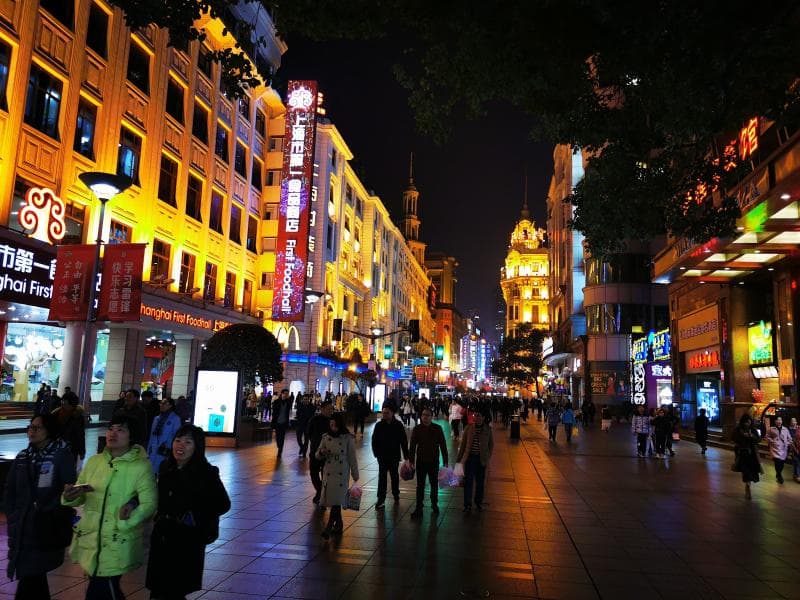
Explore Nanjing Road in Shanghai, China, one of the world's busiest shopping streets. Discover its rich history, vibrant culture, iconic landmarks, and unique local experiences.
Overview
Nanjing Road, located in the heart of Shanghai, China, stands as one of the world's most iconic and bustling commercial streets. Stretching approximately 5.5 kilometers (about 3.4 miles) from The Bund in the east to Jing'an Temple in the west, it seamlessly connects significant landmarks within the city. This vibrant thoroughfare is globally recognized, often drawing comparisons to Fifth Avenue in New York or the Champs-Élysées in Paris, symbolizing Shanghai's dynamic spirit and commercial prowess. It is broadly divided into two main sections: Nanjing Road East, known for its lively pedestrian mall and blend of traditional and modern shops, and Nanjing Road West, which hosts more upscale luxury brands and high-end establishments.
As a fusion of historical charm and contemporary energy, Nanjing Road attracts millions of visitors daily, making it one of the busiest shopping districts worldwide. It is not merely a shopping destination but a living museum, reflecting the layers of Shanghai's past and its relentless drive toward the future. Visitors can immerse themselves in a unique atmosphere where glittering neon signs illuminate heritage architecture, and the sounds of commerce blend with lively street performances.
History & Cultural Background
The story of Nanjing Road dates back to the mid-19th century, specifically 1845, when it was first established as 'Park Lane' within the British Concession after Shanghai opened as a treaty port. Its early development was driven by the burgeoning foreign trade, transforming it from a simple pathway into a vibrant commercial artery. In 1862, it was formally named 'Nanking Road' by the Municipal Council that governed the International Settlement.
During the early 20th century, Nanjing Road truly blossomed, becoming a symbol of modern consumer culture in Asia. This era saw the rise of the 'Four Great Companies' – pioneering department stores that introduced new retail concepts to China. These establishments, with their Art Deco stylings, helped define Shanghai's fashionable reputation, attracting both local residents and international visitors. After World War II and the annulment of the International Settlement, 'Nanking Road' was officially renamed 'East Nanjing Road,' and the former 'Bubbling Well Road' became 'West Nanjing Road,' with the collective designation remaining 'Nanjing Road'. This evolution mirrors Shanghai's broader historical narrative, from colonial influence to its emergence as a global metropolis, with Nanjing Road consistently at the forefront of its commercial and cultural identity.
What Makes It Special
Nanjing Road's unique appeal lies in its extraordinary blend of historical significance and cutting-edge modernity. The pedestrian section of Nanjing Road East, stretching over a kilometer, is a central highlight. Here, visitors can stroll leisurely without vehicle traffic, taking in the grand department stores that have stood for over a century, alongside modern flagship stores of international brands. The architecture itself tells a story, with many buildings retaining intricate historical facades that hint at Shanghai's concession-era past, juxtaposed against contemporary high-rises.
Beyond shopping, the street offers a sensory experience. The sheer variety of goods, from traditional Chinese crafts and silks to the latest fashion and electronics, caters to every taste. Iconic landmarks like the Peace Hotel, with its distinguished Art Deco design and rich history, add to the cultural tapestry of the street. The transformation of the street into a vibrant pedestrian zone in 2000 further cemented its status as a welcoming and engaging public space, truly making it a 'must-see' for anyone visiting Shanghai.
Stories, Fun Facts & Local Details
Nanjing Road is alive with stories and intriguing details. One of its most captivating features is the dazzling display of neon lights that illuminate the street after dusk, transforming it into a spectacular 'neon forest'. This vibrant light show, especially along Nanjing Road East, creates an electrifying atmosphere, embodying the energetic pulse of Shanghai.
Visitors might also spot the charming tourist tram that ferries people along the pedestrian street, offering a nostalgic and convenient way to experience the bustling thoroughfare. The street is home to numerous time-honored brands (laozihao) that have been operating for generations, selling everything from traditional Chinese medicines at Cai Tong De Pharmacy to exquisite jewelry at Lao Feng Xiang Jewellers. These historic shops stand proudly alongside global giants like Nike and Lego, illustrating the street's ability to evolve while preserving its heritage. It's also a place where you might encounter impromptu street performances, adding an element of surprise and local flavor to your walk.
Visitor Perspective
Experiencing Nanjing Road is often described as stepping into the very soul of Shanghai's commercial heart. For first-time visitors, walking the pedestrian mall of Nanjing Road East is highly recommended. A popular itinerary involves starting near People's Square and gradually making your way east towards The Bund, allowing for a natural progression from modern commerce to historical waterfront views. The street is vibrant throughout the day, but takes on a different charm in the evening when the neon lights come alive, making it a particularly photogenic destination.
While known for its shopping, visitors often find joy in simply people-watching, absorbing the lively urban atmosphere, and discovering hidden local eateries in nearby alleys. The accessibility of the street via Shanghai's efficient metro system (with stations like East Nanjing Road and People's Square) makes it an easy addition to any itinerary. Nanjing Road truly offers a comprehensive glimpse into Shanghai's past, present, and future, leaving a lasting impression on anyone who wanders its bustling pathways.
Coordinates: 121.4667, 31.2333
View on Google Maps💬 How Travelers Describe This Place
Based on community votes
Interesting
872Unique
846Photogenic
684Must See
121Beautiful
87
Traveler Stories
Discover memorable experiences shared by travelers who have visited this place.
No traveler stories yet.
Be the first traveler to share what made this place memorable.
Things to see at Nanjing Road



Tour
By
Spot
Discover amazing places around the world. Your journey starts here.
Explore
© 2026 TourBySpot. All rights reserved.