Historic Department Stores
Shanghai, China
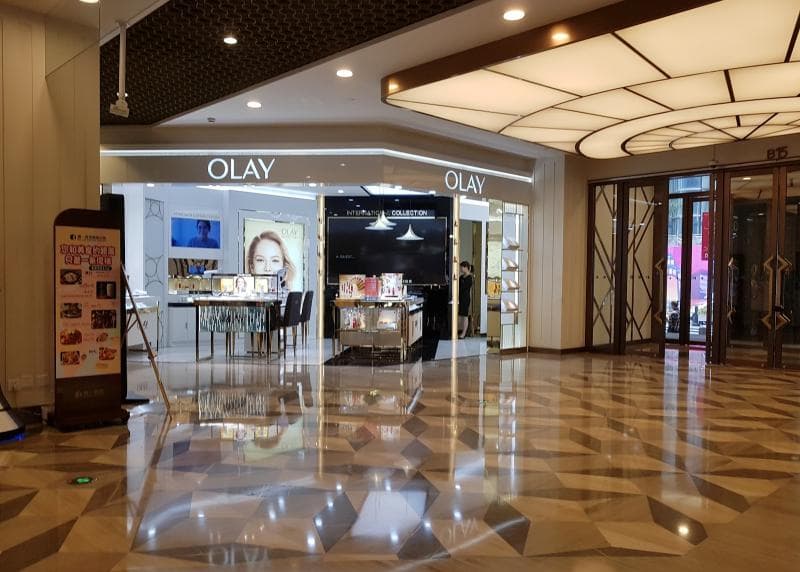
Explore Shanghai's historic department stores on Nanjing Road, including Sincere, Wing On, and Shanghai No. 1, for a glimpse into China's rich retail past.
Overview
Nanjing Road, Shanghai's iconic commercial artery, is not merely a bustling shopping street but a living museum of China's retail history. Among its glittering facades and modern boutiques stand the grand 'Historic Department Stores,' monuments to an era that ushered in modern consumer culture in China. These establishments, particularly the 'Four Great Companies'—Sincere, Wing On, Sun Sun, and Da Sun (now Shanghai No. 1 Department Store)—transformed shopping from a transactional necessity into a leisure activity and a symbol of urban sophistication. Located primarily along Nanjing East Road, these architectural marvels continue to draw millions, offering a tangible link to Shanghai's vibrant past while adapting to the present.
History & Cultural Background
The concept of the modern department store arrived in Shanghai in the early 20th century, a period of rapid economic growth and urbanization. While early foreign-owned stores like Whiteaway, Laidlaw & Co. appeared in 1906, catering largely to expatriates, it was the emergence of Chinese-owned department stores that truly revolutionized the local scene. Many of the founders of these pioneering establishments had gained business experience in Australia before returning to China, bringing with them innovative retail models. Sincere Department Store, founded in Hong Kong in 1900, opened its Shanghai flagship in 1917, marking the beginning of this transformative period. It was quickly followed by Wing On in 1918, then Sun Sun (Xin Xin) in 1926, and finally Da Sun (Daxin), which opened in 1936. These four became known as the 'Four Great Companies,' dominating Nanjing Road and setting new standards for retail, hospitality, and entertainment. They offered a diverse range of goods, often imported, and pioneered features previously unseen in China, reflecting Shanghai's embrace of modernity.
What Makes It Special
What makes these historic department stores particularly special is their pioneering spirit and their architectural grandeur. Each store was a landmark in itself, designed to impress and attract. Wing On, for instance, featured Neoclassical and Art Deco styles and was known for its luxurious appearance. Da Sun, later the Shanghai No. 1 Department Store, was a 10-story building equipped with Otis escalators, a heating and cooling system, and underground stores—all firsts in China. Sincere distinguished itself by introducing functions beyond mere retail, such as entertainment options, offices, hotels, and even a rooftop garden. These stores were not just places to shop; they were integrated lifestyle centers, miniature cities offering everything from high-end fashion and cosmetics to restaurants and cultural experiences. Their presence solidified Nanjing Road's reputation as a premier commercial hub, often likened to New York's Fifth Avenue.
Stories, Fun Facts & Local Details
The historic department stores of Nanjing Road are rich with stories. One popular anecdote tells of Shanghai residents in the 1970s visiting Da Sun (now Shanghai No. 1 Department Store) simply to marvel at and ride its escalators, which were a rare novelty at the time. This highlights how these stores introduced cutting-edge technologies and modern conveniences to the public. The competition between Sincere and Wing On, whose flagship stores faced each other on Nanjing Road, was legendary. Both companies strove to outdo each other, sometimes even using elaborate displays like peacocks and other birds to attract crowds. After 1949, many of these stores were nationalized and renamed. Da Sun became the Shanghai No. 1 Department Store, which for 14 consecutive years held the title of the highest-selling mall in Shanghai. Today, this store continues to innovate, recently introducing immersive entertainment spaces and themed cafes to attract a younger demographic.
Visitor Perspective
For the curious traveler, visiting the historic department stores on Nanjing Road offers a unique blend of shopping, history, and cultural immersion. While many interiors have been modernized, their impressive historical facades remain, particularly along Nanjing East Road. Stepping into stores like the Shanghai No. 1 Department Store, you can still find remnants of their grand past, such as vintage escalators and classic interior design, evoking a sense of Shanghai's 'golden age' of shopping. Visitors can explore multiple floors offering a wide range of products, from luxury goods to local specialties and souvenirs. Observing the bustling activity and the seamless blend of old and new provides a fascinating glimpse into Shanghai's commercial evolution. These stores are not just retail outlets; they are significant landmarks where you can connect with the city's rich heritage and witness its dynamic present. Take time to appreciate the architecture, imagine the shoppers of yesteryear, and enjoy the vibrant energy that continues to define this iconic destination.
Coordinates: 121.484628, 31.238101
View on Google Maps💬 How Travelers Describe This Place
Based on community votes
Photogenic
872Interesting
846Must See
201Beautiful
121Unique
87
Traveler Stories
Discover memorable experiences shared by travelers who have visited this place.
No traveler stories yet.
Be the first traveler to share what made this place memorable.

Tour
By
Spot
Discover amazing places around the world. Your journey starts here.
Explore
© 2026 TourBySpot. All rights reserved.