Nakamise Street
Tokyo, Japan
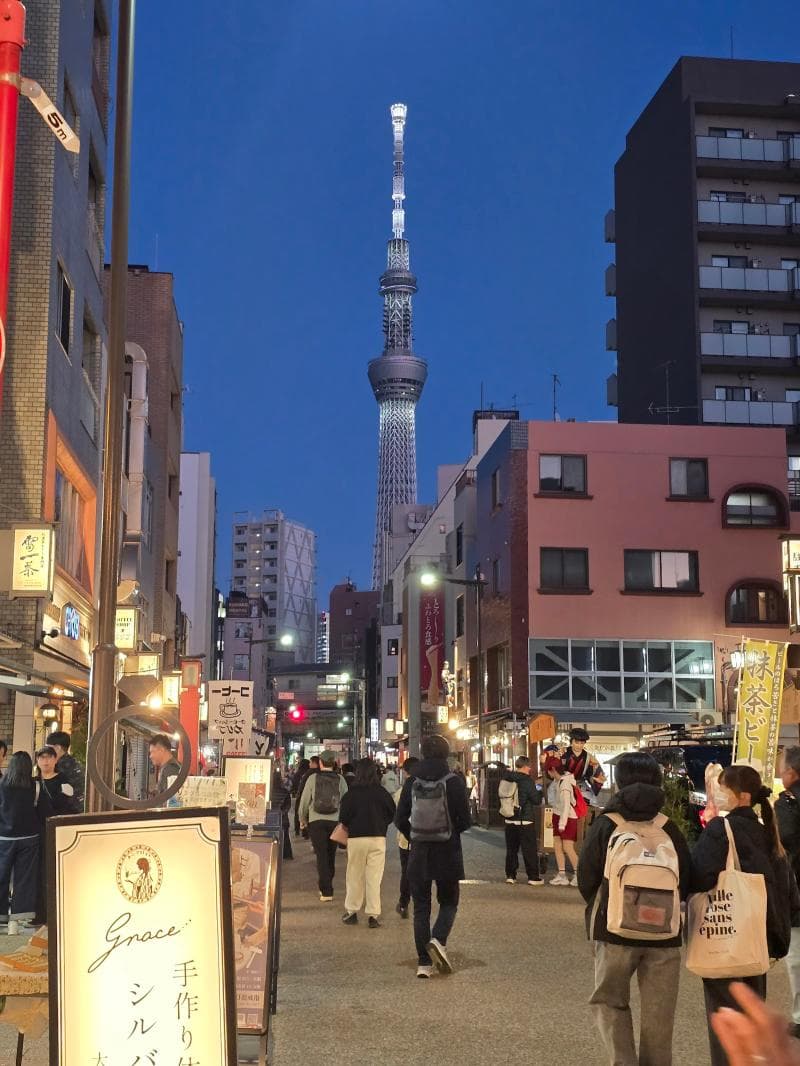
Explore Nakamise Street in Tokyo, Japan, a historic shopping arcade leading to Senso-ji Temple. Discover traditional crafts, snacks, and rich history.
Overview
Nakamise Street, or Nakamise-dori, is a venerable shopping street nestled within the historic Asakusa district of Tokyo, Japan. Stretching approximately 250 meters, this lively promenade forms the main approach to Senso-ji Temple, Tokyo's oldest Buddhist temple. It begins dramatically after passing through the iconic Kaminarimon Gate (Thunder Gate) and concludes at the Hozomon Gate, which marks the entrance to the temple's inner grounds. Lined with around 90 shops and stalls on both sides, Nakamise Street offers visitors a vibrant journey into traditional Japanese culture, bustling with an almost festival-like energy every day.
As one of Japan's oldest shopping streets, Nakamise is much more than just a thoroughfare; it is a cultural landmark. It presents a captivating blend of traditional goods, delicious street snacks, and an enduring historical atmosphere that provides a glimpse into 'old Tokyo'.
History & Cultural Background
The origins of Nakamise Street date back to the late 17th and early 18th centuries, during Japan's Edo period. As Senso-ji Temple gained popularity as a pilgrimage site, local residents in Asakusa were granted a unique privilege: permission to open shops along the temple's approach. These early vendors catered to weary pilgrims, initially offering tea, refreshments, and essential supplies. Over time, their offerings expanded to include religious items, souvenirs, and toys, transforming the path into a bustling marketplace.
The street's appearance has evolved through centuries of change and resilience. In 1885, the original wooden stalls were replaced with modern, Western-style red brick buildings. However, this iteration was tragically destroyed during the Great Kanto Earthquake of 1923. Rebuilt with reinforced concrete in 1925, Nakamise faced destruction once more during the firebombing of World War II. Despite these setbacks, the local community continuously rebuilt, ensuring the street retained its traditional charm and vital role as the temple's commercial heart. Today's shops, though modern in construction, are designed to evoke the aesthetic of the late 19th-century streetscape.
What Makes It Special
Nakamise Street stands out as a unique cultural experience, serving as a dynamic gateway to the spiritual tranquility of Senso-ji Temple. What makes it truly special is its ability to transport visitors to a bygone era, preserving the ambiance of an Edo-period downtown area within modern Tokyo.
The meticulous organization of its nearly 90 shops, many of which have been family-run for generations, creates a continuous, immersive environment for traditional Japanese commerce. Beyond its daytime allure, Nakamise reveals another enchanting aspect: when the shops close for the night, their heavy metal shutters become canvases for the 'Asakusa Emaki'. These murals depict scenes from the temple's history, seasonal events, and traditional festivals of the Taito ward, transforming the street into a captivating, silent art gallery.
Stories, Fun Facts & Local Details
Stepping onto Nakamise Street is an adventure for the senses, rich with local flavors and craftsmanship. One delightful tradition is sampling the various street foods. Look for 'ningyo-yaki', small cakes often shaped like the Seven Lucky Gods or a pagoda, typically filled with sweet red bean paste. Another classic is 'kaminari-okoshi', a traditional sweet made from puffed rice, and 'agemanju', deep-fried sweet buns. While savoring these treats, it's customary to eat them near the stall where they were purchased rather than walking and eating, a small nod to local etiquette that helps maintain the street's flow.
For souvenirs, Nakamise offers a treasure trove of authentic Japanese goods. You might find exquisite folding fans ('sensu'), traditional Japanese hand towels ('tenugui'), delicate ornamental hairpins ('kanzashi'), or even 'omamori' good-luck charms tied to Senso-ji Temple. The word 'Nakamise' itself has a deeper meaning, with 'naka' signifying 'inside' and 'mise' meaning 'see'—implying 'entering between or going through shops lining a passageway'. This perfectly describes its role as the commercial path within the temple grounds.
Visitor Perspective
Visiting Nakamise Street offers a vibrant, immersive experience. To truly appreciate its charm and avoid the densest crowds, consider arriving early in the morning, ideally just as the shops open around 9:00 AM, or even earlier to see the temple grounds in tranquility. Weekdays or periods outside major Japanese festivals generally provide a more relaxed pace. While the street is a feast for photographers, remember that it's often bustling, so be mindful of your belongings and fellow visitors.
As you stroll, allow yourself to be drawn into the atmosphere—the aroma of freshly made snacks, the vibrant colors of traditional crafts, and the friendly calls of shopkeepers. After exploring Nakamise, you'll find yourself directly at the entrance to Senso-ji Temple, ready to continue your cultural journey. Don't forget to look for nearby spots like the Asakusa Shrine and consider a short walk to the Sumida River for views of the Tokyo Skytree.
Coordinates: 139.7965, 35.71239
View on Google Maps💬 How Travelers Describe This Place
Based on community votes
Unique
958Must See
743Photogenic
728Beautiful
719Interesting
382
Traveler Stories
Discover memorable experiences shared by travelers who have visited this place.
No traveler stories yet.
Be the first traveler to share what made this place memorable.

Tour
By
Spot
Discover amazing places around the world. Your journey starts here.
Explore
© 2026 TourBySpot. All rights reserved.