Mutianyu
Beijing, China
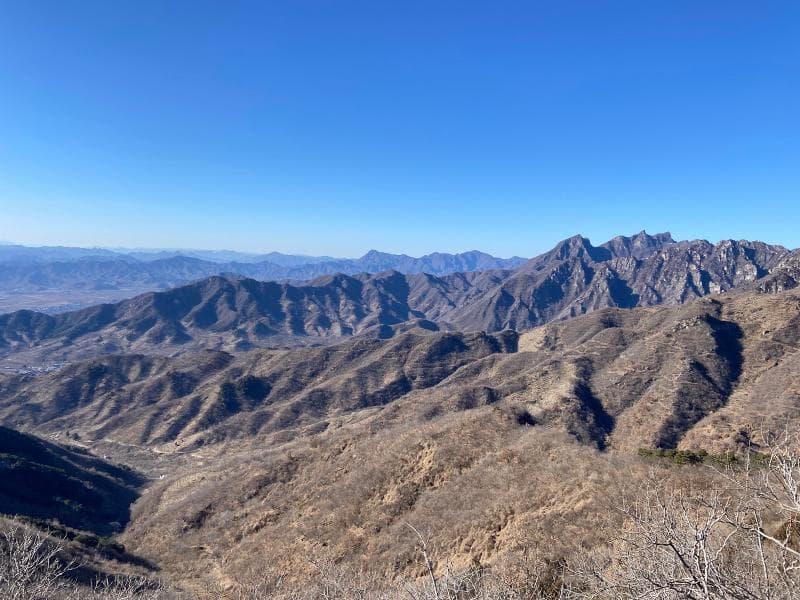
Explore the majestic Mutianyu section of the Great Wall of China in Beijing. Discover its ancient history, unique architecture, and stunning natural beauty.
Overview
Nestled amidst lush mountains approximately 70 kilometers northeast of Beijing, China, lies the Mutianyu section of the Great Wall of China. Renowned as one of the best-preserved and most scenic sections, Mutianyu offers a remarkable blend of historical grandeur and natural beauty. It's a popular choice for travelers seeking a less crowded yet fully restored experience of this iconic UNESCO World Heritage site, making it an ideal destination for those wishing to immerse themselves in ancient Chinese history without the overwhelming throngs often found at other sections.
History & Cultural Background
The history of the Mutianyu Great Wall stretches back over 1,400 years, with its initial construction dating to the mid-6th century during the Northern Qi Dynasty (550-577 AD). These early fortifications served as rudimentary defenses against nomadic incursions from the north. However, it was during the Ming Dynasty (1368-1644) that Mutianyu was substantially rebuilt and transformed into the architectural marvel seen today. Under the supervision of General Xu Da, construction commenced on the foundations of the earlier Qi Wall in the early Ming period. The strategic importance of Mutianyu grew, particularly in 1404 when a fortified pass, known as Zhengguan Pass, was established. Further significant repairs and enhancements were carried out in 1569 by General Qi Jiguang, who reinforced the wall and added numerous watchtowers, solidifying its role as a critical northern barrier protecting the capital and imperial tombs. Mutianyu's inclusion in the UNESCO World Heritage list in 1987 underscores its profound historical and cultural value.
What Makes It Special
Mutianyu stands out among other sections of the Great Wall due to several distinctive architectural and natural features. One of its most striking characteristics is the presence of double-sided battlements. Unlike many other sections that only have battlements on the outer side, Mutianyu features crenelated parapets on both sides of the wall, allowing defenders to fire upon enemies from either direction – a testament to its strategic significance. The watchtowers here are also remarkably dense, with 22 towers spread along a 2,250-meter stretch, often appearing every hundred meters on the ascending mountain ridge. The Mutianyu Pass itself is a unique formation, consisting of three interlinked watchtowers, with a larger central tower flanked by two smaller ones, a rarely seen structure across the entire Great Wall. Beyond its military engineering, Mutianyu is celebrated for its stunning natural environment, boasting a forest coverage rate of over 96 percent. This verdant backdrop ensures picturesque scenery throughout the year, from vibrant spring blossoms to fiery autumn foliage and serene winter snowscapes, enhancing the experience of walking along the ancient ramparts.
Stories, Fun Facts & Local Details
The name 'Mutianyu' itself carries a fascinating local story. Historically, this area was known as 'Apricot Valley' due to the abundance of apricot trees. Local villagers once relied on these apricots for their livelihood. During the Great Wall's construction, exhausted workers would often eat the apricots for sustenance. Over time, the valley's resources dwindled, prompting a scholar to advise the villagers to transition to farming. Thus, Apricot Valley was renamed 'Mutian Valley,' meaning 'Valley Aspiring for More Fields,' and the Great Wall section subsequently took this name. Today, Mutianyu Village continues to thrive, largely revitalized by tourism, and has even twinned with a village in the United States, showcasing its modern-day community spirit. For a touch of exhilaration, many visitors eagerly anticipate the toboggan ride down from the wall, a unique and memorable way to descend from Watchtower 6, adding a fun, unexpected element to the historical visit.
Visitor Perspective
Visiting Mutianyu offers a well-balanced experience that combines accessibility with a sense of historical immersion. Its slightly further distance from Beijing compared to other popular sections often results in fewer crowds, particularly on weekdays, allowing for a more tranquil exploration and better opportunities for photography. Travelers have various convenient options to reach the wall itself. A cable car can whisk visitors up to Watchtower 14, providing panoramic views, while a chairlift typically goes to Watchtower 6. For the descent, one can opt for the cable car or chairlift again, or embrace the popular toboggan ride for a fun, winding journey back to the base. While these facilities make the wall accessible, it's important to note that the site, with its numerous steps and varying terrain, is generally not suitable for wheelchair users. The extensive restoration ensures a safe and comfortable walk along the ramparts, yet at both ends, visitors can often glimpse less-restored, 'wild' sections of the Wall, offering a sense of its raw, original state. This blend of preserved history, stunning scenery, and thoughtful visitor amenities makes Mutianyu a truly rewarding destination for those exploring the Great Wall of China.
Coordinates: 116.5571, 40.4361
View on Google Maps💬 How Travelers Describe This Place
Based on community votes
Unique
995Beautiful
964Photogenic
929Interesting
730Must See
482
Traveler Stories
Discover memorable experiences shared by travelers who have visited this place.
No traveler stories yet.
Be the first traveler to share what made this place memorable.

Tour
By
Spot
Discover amazing places around the world. Your journey starts here.
Explore
© 2026 TourBySpot. All rights reserved.