Mustaqillik Maydoni Station
Tashkent, Uzbekistan
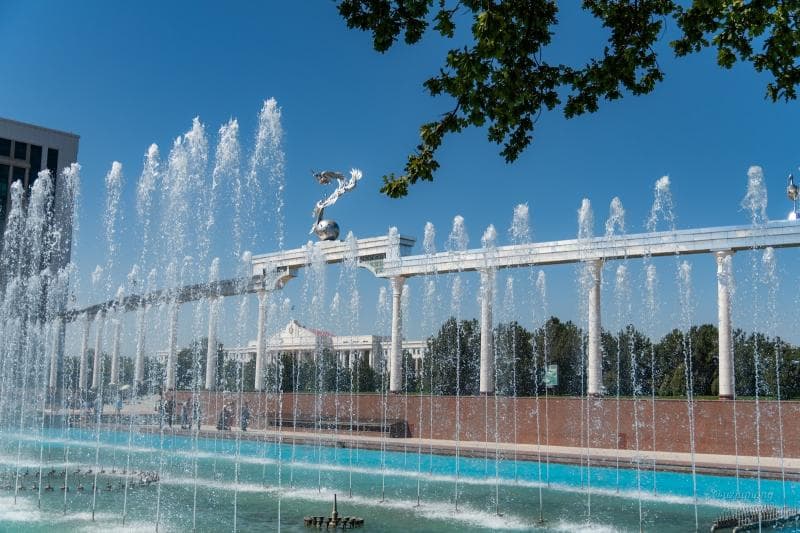
Discover Mustaqillik Maydoni Station in Tashkent, Uzbekistan's stunning Metro. Explore its marble architecture, rich history, and cultural significance.
Overview
Deep beneath the vibrant streets of Tashkent, Uzbekistan, lies the Mustaqillik Maydoni Station, a captivating highlight of the city's renowned Metro system. Far more than just a transportation hub, this station is an underground gallery, a testament to Uzbekistan's rich history and artistic prowess. Located directly beneath Independence Square, its grandeur reflects the national significance of the area it serves. Visitors are often struck by its opulent design, characterized by soaring marble columns, intricate artwork, and sparkling chandeliers, creating an atmosphere that feels more like a palace than a subway station.
History & Cultural Background
The Tashkent Metro, the first underground railway system in Central Asia, holds a unique place in the region's infrastructure and cultural narrative. Its construction was a direct response to the devastating 1966 Tashkent earthquake, which prompted a massive urban renewal project. Designed to be earthquake-resistant and to double as a bomb shelter during the Soviet era, the metro system was inaugurated on November 6, 1977. Mustaqillik Maydoni Station was part of this inaugural section, originally bearing the name 'V. I. Lenin Maidoni' (Vladimir Lenin Square). Following Uzbekistan's declaration of independence in September 1991, the station, along with the square above, was patriotically renamed 'Mustaqillik Maydoni,' meaning 'Independence Square.' This renaming marked a pivotal moment, transforming the station from a Soviet monument into a powerful symbol of the nation's new identity. Each station within the Tashkent Metro was meticulously designed by individual artists, serving as an underground museum that narrates chapters of Uzbek history and culture through art and architecture.
What Makes It Special
Mustaqillik Maydoni Station stands out even among the famously ornate stations of the Tashkent Metro. Its design is a harmonious blend of Soviet-era ambition and traditional Uzbek artistry. The station is renowned for its spacious, symmetrical layout, featuring a central island platform flanked by two tracks. One of its most striking features is the extensive use of high-quality materials: robust columns made of white Nurata marble from local quarries and the Kyzylkum Desert line the platform, polished to a brilliant sheen. The walls are adorned with warm peach-colored Gazgan marble, complemented by red Emelyanovsky granite finishing the plinth. The floors are a work of art themselves, paved with polished slabs of red and gray granite arranged in intricate Uzbek patterns, showcasing the country's rich artistic heritage. Above, a gilded, patterned ceiling is illuminated by elaborate crystal chandeliers arranged in domes around the perimeter, creating a dazzling effect and contributing to its 'ballroom vibe'.
Stories, Fun Facts & Local Details
Beyond its architectural beauty, Mustaqillik Maydoni Station is imbued with cultural storytelling. A central bas-relief bronze screen captivates visitors with vivid depictions of jubilant Uzbeks. This artwork portrays celebrations featuring 'karnays' (long ceremonial trumpets), dancing maidens, and flag-waving citizens, offering a glimpse into the nation's vibrant traditions. The station's significance extends to international recognition; it was famously showcased to King Juan Carlos I of Spain and Queen Sophia during their visit to Tashkent, underscoring its status as a symbol of national pride. For many years, photography within the Tashkent Metro stations was prohibited due to their dual purpose as strategic bomb shelters. This ban was only lifted in June 2018, opening up these 'underground museums' to be fully appreciated and photographed by the public, including curious travelers. Each metro station in Tashkent, including Mustaqillik Maydoni, is designed with a specific theme, incorporating elements of Uzbek culture or history. This deliberate artistic integration means that a ride on the Tashkent Metro is not merely a commute, but a journey through the cultural identity of Uzbekistan.
Visitor Perspective
Exploring Mustaqillik Maydoni Station offers a unique and memorable experience for any traveler to Tashkent. It's often described as an 'underground art museum,' where every corner reveals meticulous craftsmanship and historical context. The station provides a seamless blend of functionality and artistic wonder. The Tashkent Metro operates daily from 5 am until midnight, offering ample opportunity to witness its beauty. For those wishing to fully immerse themselves in the architectural details without the rush of peak hours, visiting during the early afternoon, typically between 1 pm and 4 pm, is recommended. This allows for a more relaxed exploration, enabling visitors to appreciate the intricate designs, from the star patterns on the floor honoring astronomer Ulug Bek to the grandeur of the chandeliers, without large crowds. Security checks are standard upon entry, and visitors are advised to carry a paper map alongside digital aids, though the system is generally easy to navigate. The station's connection to the Independence Square above also makes it a convenient starting point for exploring other significant landmarks in the city center.
Coordinates: 69.271292, 41.318925
View on Google Maps💬 How Travelers Describe This Place
Based on community votes
Unique
826Must See
800Beautiful
387Interesting
242Photogenic
82
Traveler Stories
Discover memorable experiences shared by travelers who have visited this place.
No traveler stories yet.
Be the first traveler to share what made this place memorable.

Tour
By
Spot
Discover amazing places around the world. Your journey starts here.
Explore
© 2026 TourBySpot. All rights reserved.