Musical Instruments Museum
Florence, Italy
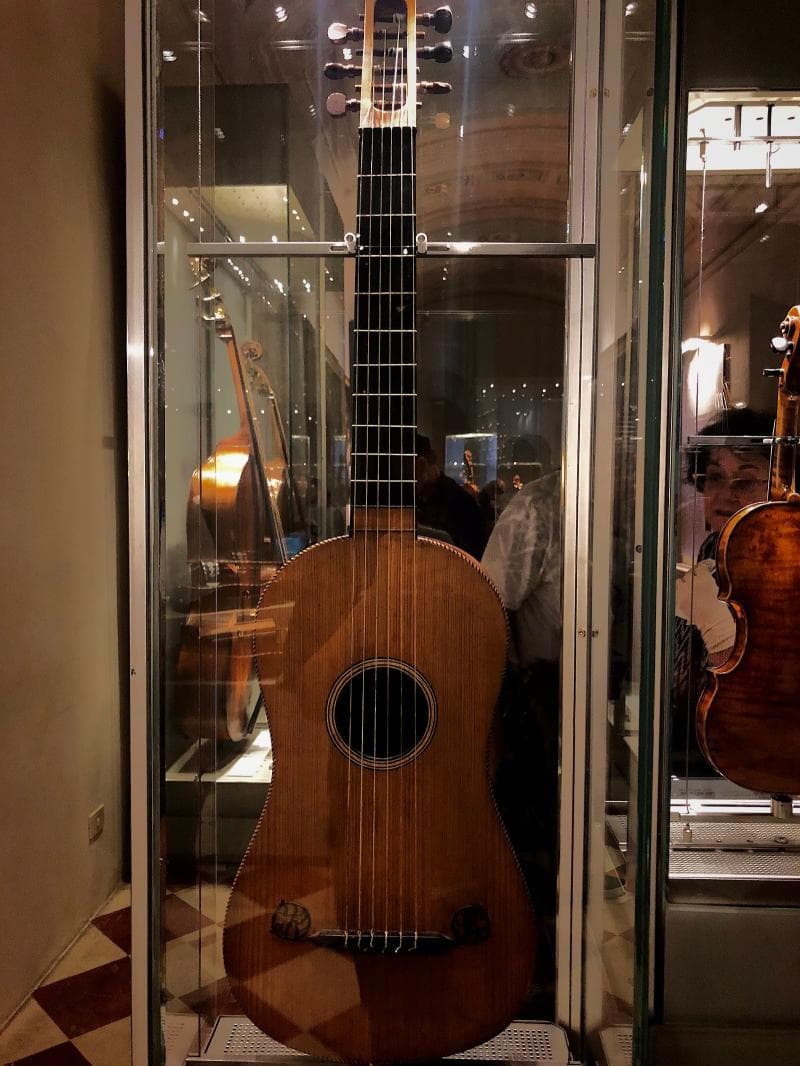
Discover the Musical Instruments Museum inside Florence's Accademia Gallery, Italy. Explore rare instruments from Medici and Lorraine families, including Stradivari and Cristofori's piano.
Overview
Tucked away within the renowned Accademia Gallery in Florence, Italy, lies a captivating treasure often overshadowed by Michelangelo's David: the Musical Instruments Museum. This specialized collection offers a unique journey into the world of music from the 17th to 19th centuries, presenting an intimate look at instruments once owned by the powerful Medici and Lorraine families. It's not merely a display of old objects, but a vibrant testament to Florence's rich musical heritage and its profound impact on Western music history.
Housed in a dedicated section of the Accademia, the museum showcases approximately fifty historical instruments, providing an extraordinary opportunity for visitors to explore the evolution of musical craftsmanship and the innovative minds behind some of the world's most beloved instruments.
History & Cultural Background
The core of this exceptional collection originated with the Grand Dukes of Tuscany, particularly the influential Medici and Lorraine families, who were fervent patrons of the arts and sciences, including music. These aristocratic families amassed a significant number of exquisite instruments, which later became part of the Luigi Cherubini Conservatory in Florence.
In 1966, these invaluable pieces were deposited on loan to the Accademia Gallery, and the Musical Instruments Museum officially opened its doors within the gallery in 2001. The collection vividly illustrates the central role music played in the grand courts of Florence, not just for entertainment but as an integral part of court life, celebrations, and cultural identity. It was in this dynamic environment that Bartolomeo Cristofori, a craftsman hired by Grand Prince Ferdinando de' Medici in 1688, conceived and developed the 'gravicembalo col piano e forte' – the fortepiano, the direct ancestor of the modern piano, revolutionizing musical expression.
What Makes It Special
What truly sets the Musical Instruments Museum apart is its unparalleled collection of instruments from legendary makers, many of which are one-of-a-kind. Among its most prized possessions is the 'Medici Quintet,' a set of string instruments crafted by Antonio Stradivari in 1690 for Grand Prince Ferdinando de' Medici. The jewel in this crown is the Medici Tenor Viola, believed to be the only Stradivari viola that remains completely in its original, perfectly preserved condition.
Visitors can also admire a violin from 1716 by Stradivari and a cello from 1650 by Niccolò Amati, showcasing the pinnacle of Baroque instrument making. Beyond these string masterpieces, the museum boasts two rare instruments by Bartolomeo Cristofori himself: an exceptional oval spinet and the world's oldest surviving vertical piano, dating from 1739 by Domenico del Mela, which offers crucial insights into the early development of the piano.
Stories, Fun Facts & Local Details
Imagine the sounds that once filled the Medici courts as you stand before the Medici Quintet. The Stradivari tenor viola is not only acoustically perfect but also a visual marvel, intricately decorated with mother-of-pearl, ivory, and ebony inlays forming the Medici crest – a personal touch for its esteemed owner.
Adding to the historical context, the museum displays paintings by Anton Domenico Gabbiani depicting court musicians and their instruments from the late 17th century. These portraits are so detailed they have allowed historians to identify specific musicians like Pietro Salvetti and Francesco Veracini, offering a glimpse into the human element of Medici musical life. Grand Prince Ferdinando de' Medici was himself an accomplished harpsichordist and a driving force behind the innovative instrument-making at his court, fostering the environment in which Cristofori's genius could flourish. Perhaps one of the most engaging aspects for a modern visitor is the innovative multimedia system. This allows you to listen to the authentic sounds of many of the instruments on display, bridging centuries and truly bringing these historical pieces to life.
Visitor Perspective
A visit to the Musical Instruments Museum within the Accademia Gallery offers a multi-sensory experience that goes beyond simply viewing artifacts. It invites you to connect with Florence's past through the universal language of music. As you walk through the exhibits, you're not just observing historical objects; you're tracing the lineage of instruments that have shaped global musical traditions.
The integration of visual displays, historical context, and auditory experiences provides a profound appreciation for the craftsmanship, innovation, and cultural significance of these instruments. It's an enriching complement to the gallery's famous sculptures, offering a deeper understanding of the artistic and intellectual vibrancy of Renaissance and Baroque Florence. For any curious traveler, it's a chance to hear the echoes of history and discover the harmonious legacy of the Medici.
Coordinates: 11.25887, 43.77688
View on Google Maps💬 How Travelers Describe This Place
Based on community votes
Interesting
886Photogenic
564Beautiful
443Must See
310Unique
233
Traveler Stories
Discover memorable experiences shared by travelers who have visited this place.
No traveler stories yet.
Be the first traveler to share what made this place memorable.

Tour
By
Spot
Discover amazing places around the world. Your journey starts here.
Explore
© 2026 TourBySpot. All rights reserved.