Museum Of The Macedonian Struggle
Skopje, North Macedonia
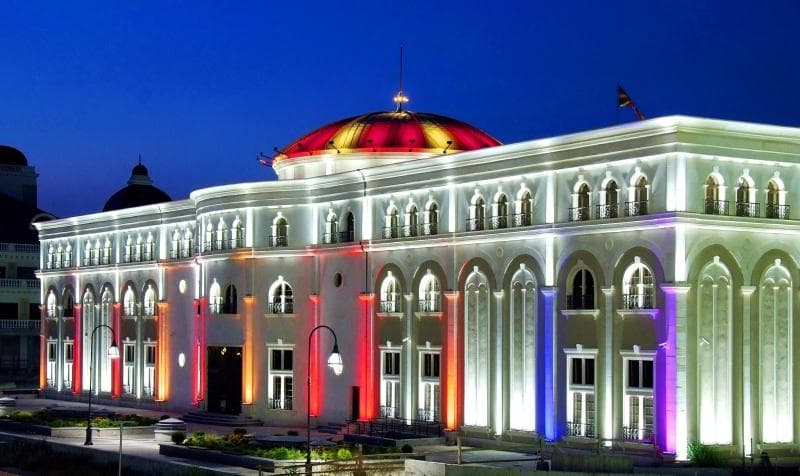
Explore the Museum of the Macedonian Struggle in Skopje, North Macedonia, detailing the nation's fight for independence from Ottoman rule to 1991. Discover history through immersive exhibits.
Overview
The Museum of the Macedonian Struggle in Skopje, North Macedonia, stands as a profound testament to the nation's enduring quest for independence and self-determination. Officially opened on September 8, 2011, this national museum commemorates the 20th anniversary of North Macedonia's declaration of independence, providing a comprehensive historical journey. Situated prominently in the heart of Skopje, along the Vardar River and near other significant cultural landmarks like the Archaeological Museum and the Stone Bridge, it serves as a central point for understanding the country's turbulent past and the aspirations of its people. The museum meticulously chronicles the period from the initial resistance movements against Ottoman rule through to the establishment of an independent Macedonian state in 1991.
With an expansive exhibition area spanning 2,000 square meters within a 6,435 square meter building, the museum is designed to be an immersive educational experience. It welcomes visitors Tuesday through Sunday, from 10:00 to 18:00, offering a deep dive into the historical, cultural, and revolutionary traditions that shaped North Macedonia.
History & Cultural Background
The historical narrative presented at the Museum of the Macedonian Struggle is deeply rooted in the complex and often arduous journey of the Macedonian people. The 'Macedonian Struggle' refers to the broader historical period encompassing various movements and efforts for national liberation and self-governance. The museum's exhibits begin by exploring the resistance against centuries of Ottoman rule, a period marked by a strong desire for freedom and the emergence of national identity.
Visitors are guided through the late 19th and 20th centuries, witnessing the intricate political landscape of the Balkans and the specific struggles that led to the formation of the modern Macedonian state. The narrative culminates with the pivotal moment of gaining independence from Yugoslavia on September 8, 1991. The museum underscores the profound sacrifices and persistent efforts of generations who envisioned and fought for a sovereign nation, making it a crucial institution for understanding the cultural and political foundations of contemporary North Macedonia.
What Makes It Special
The Museum of the Macedonian Struggle distinguishes itself through its compelling and immersive presentation of history. Its core appeal lies in the dramatic and lifelike exhibits, featuring numerous wax figures and elaborate dioramas that vividly recreate key historical events and portray significant individuals. These detailed scenes transport visitors directly into the moments of struggle, sacrifice, and triumph, offering a palpable connection to the past. The museum's commitment to accessibility is also noteworthy; it was constructed with modern standards in mind, providing features like accessible entrances, elevators, reserved toilets, and specialized resources such as Braille catalogs, audio guides, and tactile exhibits with sign language videos.
A particularly moving highlight is the original copy of the 1991 Declaration of Independence, proudly displayed as the culmination of the Macedonian people's long fight. The museum also showcases an extensive collection of historical documents, authentic photographs, period weapons, and personal artifacts, each telling a piece of the larger story.
Stories, Fun Facts & Local Details
Walking through the Museum of the Macedonian Struggle is more than just viewing artifacts; it's an emotional journey designed to evoke empathy and understanding. The guided tours are particularly insightful, with knowledgeable guides providing context and anecdotes that bring the exhibits to life. Visitors often comment on the powerful impact of the wax figures, which are crafted with such realism that they convey the heroism and suffering of the historical figures they represent. This approach fosters a deep connection to the national narrative, making the abstract concept of 'struggle' tangible and personal.
The museum's location itself tells a story, built on the former site of the National Bank of Yugoslavia's Skopje branch, symbolizing the transition from a past political entity to an independent future. Its proximity to other significant cultural sites, like the Holocaust Museum and the Stone Bridge, means that a visit to the Museum of the Macedonian Struggle can be part of a broader exploration of Skopje's rich historical tapestry, revealing layers of local identity and regional history.
Visitor Perspective
For any curious traveler to Skopje, the Museum of the Macedonian Struggle offers a unique and invaluable opportunity to grasp the soul of North Macedonia. The museum is structured across 13 distinct exhibits, each carefully curated to unfold the chronological history of the national liberation movement. The immersive nature of the displays, combining visual artistry with historical documentation, ensures an engaging experience for all ages and backgrounds. Whether you prefer a self-guided exploration or benefit from the comprehensive guided tours, the museum is highly praised for its ability to convey complex historical events in an accessible and impactful way.
It's advisable to allocate sufficient time for your visit, as the wealth of information and the depth of the exhibits can easily fill a few hours. The museum's dedication to accessibility, including resources for visitors with disabilities, ensures that a wide range of individuals can engage with this important national heritage. Visiting this museum is not just about learning facts; it's about experiencing the passion, resilience, and unwavering spirit that defines the Macedonian struggle for independence.
Coordinates: 21.43306, 41.99806
View on Google Maps💬 How Travelers Describe This Place
Based on community votes
Interesting
521Beautiful
477Must See
422Unique
157Photogenic
28
Traveler Stories
Discover memorable experiences shared by travelers who have visited this place.
No traveler stories yet.
Be the first traveler to share what made this place memorable.
Things to see at Museum Of The Macedonian Struggle



Tour
By
Spot
Discover amazing places around the world. Your journey starts here.
Explore
© 2026 TourBySpot. All rights reserved.