Museum Halls
Podgorica, Montenegro
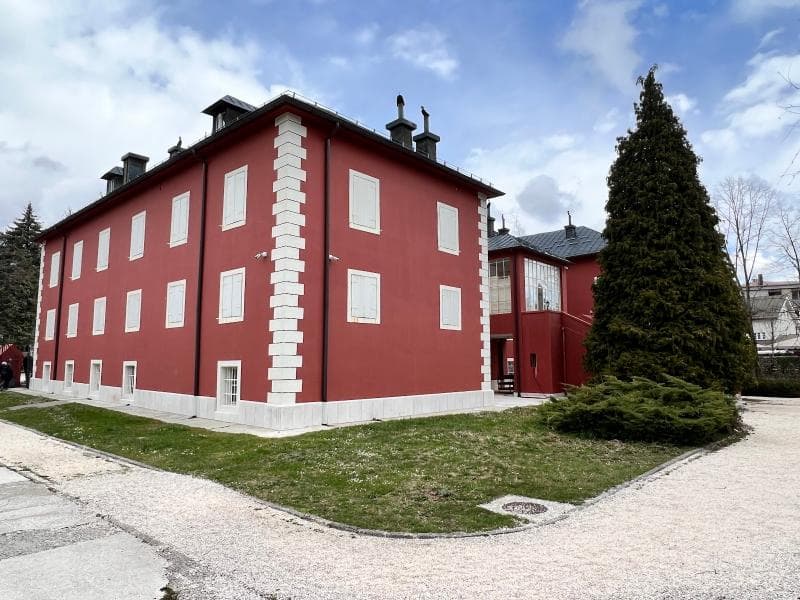
Explore the Museum Halls of King Nikola's Palace in Podgorica, Montenegro. Discover royal history blended with contemporary art in a beautiful park setting.
Overview
Nestled within the verdant Kruševac Park, the largest park in Podgorica, Montenegro, lies the distinguished King Nikola's Palace. Once a winter residence for the Montenegrin royal family, this architectural gem now serves as a dynamic cultural hub, primarily housing the Center of Contemporary Art of Montenegro. Its 'museum halls' present a unique blend of historical grandeur and artistic innovation, offering visitors a fascinating insight into both the royal legacy of the Petrović-Njegoš dynasty and the vibrant contemporary art scene of the nation.
The palace complex, also known as Petrović Palace or Kruševac, stands as a testament to late 19th-century elegance. While it retains its original royal charm, its primary function today is to showcase an impressive collection of art, fostering cultural exchange and artistic appreciation within its historic walls. The serene park setting further enhances its appeal, providing a peaceful escape in the heart of the capital.
History & Cultural Background
The history of King Nikola's Palace in Podgorica is deeply interwoven with the story of Montenegro's last ruling dynasty. Construction of the palace commenced between 1891 and 1894, commissioned by King Nicholas I Petrović-Njegoš himself. It was designed to serve as a winter residence for the royal family, specifically intended for his son, Prince Mirko Petrović-Njegoš. This grand estate, built with local craftsmanship, quickly became a symbol of royal presence and a center for social life in the then-emerging capital.
During the tumultuous Balkan Wars (1912–1913), the palace demonstrated its adaptability, being repurposed as a hospital, a function it served for several decades. This period highlights a stark contrast between its original regal purpose and its role in times of national crisis. In a significant shift, the palace underwent a transformation in 1984, becoming an art gallery during the summer months. By 1985, it had officially been established as the Center of Contemporary Art, securing its place as a pivotal institution for Montenegrin culture. Today, it also accommodates the Petrović Njegoš Foundation, continuing its connection to the royal lineage while embracing modern artistic expression.
What Makes It Special
What truly sets King Nikola's Palace in Podgorica apart is its remarkable duality: a historical royal residence beautifully adapted into a thriving contemporary art center. This unique blend allows visitors to experience the echoes of royal life alongside the bold statements of modern creativity. The palace, built in a Neo-Renaissance style with balconies and rustic facades, itself is a work of art, radiating the elegance of the late 19th century.
The 'museum halls' on the second floor of the palace house an extensive collection of approximately 1500 art pieces, making it a significant repository of Montenegrin artistic talent and heritage. This impressive collection, combined with the original historical ambiance of the building, creates a rich cultural dialogue. The surrounding Kruševac Park, with its rich Mediterranean vegetation, further contributes to the palace's special character, providing a picturesque backdrop for the art and a tranquil space for reflection. It is considered a cultural property of national importance, and its extensive landscaped park is regarded as one of Podgorica's most distinctive exhibition settings.
Stories, Fun Facts & Local Details
One fascinating aspect of the palace's history is its initial purpose as a winter home for Prince Mirko, King Nikola's son. While the second floor now buzzes with contemporary art, the first floor maintains a connection to the royal family, serving the needs of the Petrović Dynasty's descendants. This dual usage subtly bridges the gap between past and present. The palace's journey from a royal residence to a hospital during wartime, and eventually to an art gallery, speaks volumes about Montenegro's resilience and evolving cultural landscape.
The extensive landscaped grounds of Kruševac Park surrounding the palace were once adorned with exotic plants, adding to the regal charm of the winter residence. Today, the park remains a serene green refuge, integral to the palace's appeal. The palace's enduring role in hosting various cultural events, beyond just art exhibitions, underscores its continuous importance as a community cornerstone, connecting Montenegro's historical legacy with its modern artistic pulse. It stands as a vibrant example of how historical sites can be reanimated for contemporary cultural purposes.
Visitor Perspective
For the curious traveler, a visit to the 'Museum Halls' within King Nikola's Palace in Podgorica offers a multi-layered experience. Walking through the historical structure, one can almost sense the echoes of royal life, even as the walls now display cutting-edge contemporary art. The transition from the late 19th-century architecture to the modern art pieces on display creates a thought-provoking journey. It's an opportunity to appreciate the architectural elegance of a former royal home while engaging with the creative expressions of Montenegrin artists.
Visitors can expect a peaceful and informative exploration, particularly benefiting from the contrast between the historical context and the modern exhibits. The palace is nestled within a beautiful park, inviting visitors to extend their stay beyond the museum itself, enjoying the natural surroundings. This combination of history, art, and nature makes King Nikola's Palace a compelling stop for anyone seeking to understand Podgorica's cultural heart and Montenegro's rich heritage.
Coordinates: 19.245889, 42.448556
View on Google Maps💬 How Travelers Describe This Place
Based on community votes
Photogenic
898Unique
618Beautiful
449Interesting
308Must See
22
Traveler Stories
Discover memorable experiences shared by travelers who have visited this place.
No traveler stories yet.
Be the first traveler to share what made this place memorable.

Tour
By
Spot
Discover amazing places around the world. Your journey starts here.
Explore
© 2026 TourBySpot. All rights reserved.