Museum Hall
Ulaanbaatar, Mongolia
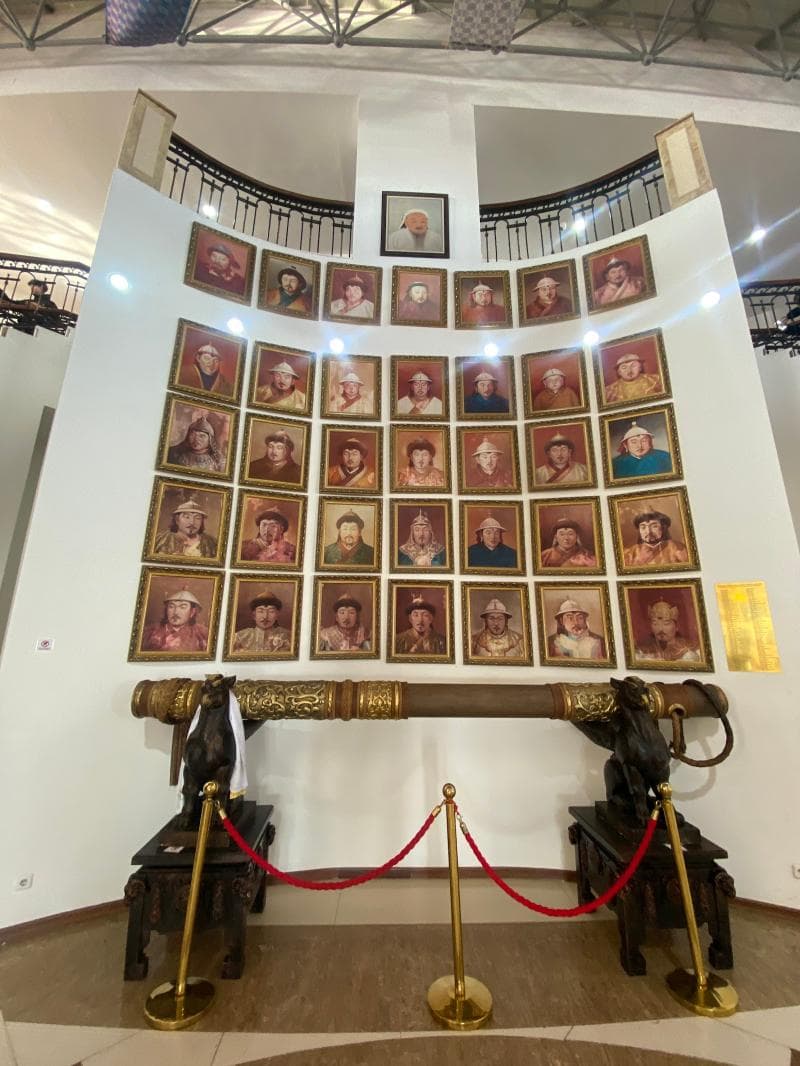
Explore the Museum Hall inside Mongolia's Genghis Khan Statue Complex in Ulaanbaatar, delving into the Mongol Empire's rich history.
Overview
Nestled within the monumental base of the Genghis Khan Statue Complex, approximately 54 kilometers east of Ulaanbaatar, Mongolia, lies the fascinating Museum Hall. This integral part of the world's largest equestrian statue is more than just an exhibition space; it's a gateway into the rich history and enduring legacy of Genghis Khan and the vast Mongol Empire. Designed to offer visitors a comprehensive look into Mongolia's past, the museum showcases archaeological treasures, historical artifacts, and cultural exhibits that illuminate the life and times of the legendary conqueror and his people.
The Museum Hall serves as a vital educational and cultural hub, providing context and depth to the colossal stainless steel statue that towers above. Visitors begin their journey here, exploring meticulously curated displays before ascending to the statue's observation deck for breathtaking panoramic views of the steppe.
History & Cultural Background
The Genghis Khan Statue Complex itself was inaugurated in 2008, marking the 800th anniversary of the founding of the Mongol Empire. Its location at Tsonjin Boldog is steeped in legend, believed to be the spot where Genghis Khan, then known as Temujin, discovered a golden whip – an auspicious omen foreshadowing his future conquests.
The Museum Hall within the statue's base delves deep into this historical tapestry. It chronicles the story of Mongolia's ancient past, from the Bronze Age through the Hunnu era, and the eventual rise of its greatest leader, Genghis Khan. The museum's structure symbolically echoes this history; its circular base is supported by 36 columns, each representing one of the 36 Khans who ruled the Mongol Empire, from Genghis Khan himself to Ligdan Khan. This architectural detail serves as a constant reminder of the continuous lineage and enduring impact of the Mongol leadership throughout history.
What Makes It Special
What truly sets the Museum Hall apart is its unique integration into such an iconic monument. It's not a standalone institution but an immersive experience that complements the grandeur of the equestrian statue. The exhibits provide tangible connections to a nomadic past, featuring traditional Mongolian weapons, tools, and armor that were crucial to the Mongol warriors' success.
Visitors can marvel at models of yurts, known as 'gers,' which were the traditional homes of nomadic Mongolians, offering a glimpse into their daily lives and cultural practices. Ancient coins from the Mongol Empire and detailed maps showcasing the empire at its zenith are also on display, illustrating its vast geographical reach and economic prowess. Some exhibits also focus on the profound cultural heritage of horsemanship, an art central to Mongol civilization and its military victories.
Stories, Fun Facts & Local Details
Beyond the historical artifacts, the Museum Hall also captivates with intriguing exhibits like the colossal, nine-meter-tall traditional Mongolian boot. Crafted from over 200 cowhides, this massive footwear is a testament to the scale and significance of traditional craftsmanship. Nearby, a five-meter replica of the golden whip connects directly to the legendary origin story of the complex's location.
The museum's thoughtful arrangement allows for an emotional connection to the past. Life-sized statues of Mongol warriors help bring history to life, making it easy to imagine the power and precision of the horsemen who traversed continents. The narrative flow is designed to guide a curious traveler through centuries of nomadic history, emphasizing Genghis Khan's role in unifying Mongol tribes and establishing one of the greatest land empires the world has ever seen.
Visitor Perspective
A visit to the Museum Hall is a journey of discovery, offering profound insights before one even ascends to the horse's head. After exploring the ground-level exhibits, visitors can take an elevator up through the statue's body. This ascent leads to an observation deck located in the horse's head, providing unparalleled 360-degree views of the sprawling Mongolian steppe and the winding Tuul River valley.
This seamless transition from indoor historical immersion to breathtaking outdoor panoramas creates a truly unforgettable experience. The Museum Hall ensures that the visit is not just about witnessing an impressive monument, but about understanding the historical and cultural forces that shaped it, allowing travelers to connect with Mongolia's soul.
Coordinates: 107.52975, 47.8080556
View on Google Maps💬 How Travelers Describe This Place
Based on community votes
Must See
569Unique
476Interesting
465Photogenic
276Beautiful
128
Traveler Stories
Discover memorable experiences shared by travelers who have visited this place.
No traveler stories yet.
Be the first traveler to share what made this place memorable.

Tour
By
Spot
Discover amazing places around the world. Your journey starts here.
Explore
© 2026 TourBySpot. All rights reserved.