Museum Exhibits
Sarajevo, Bosnia and Herzegovina
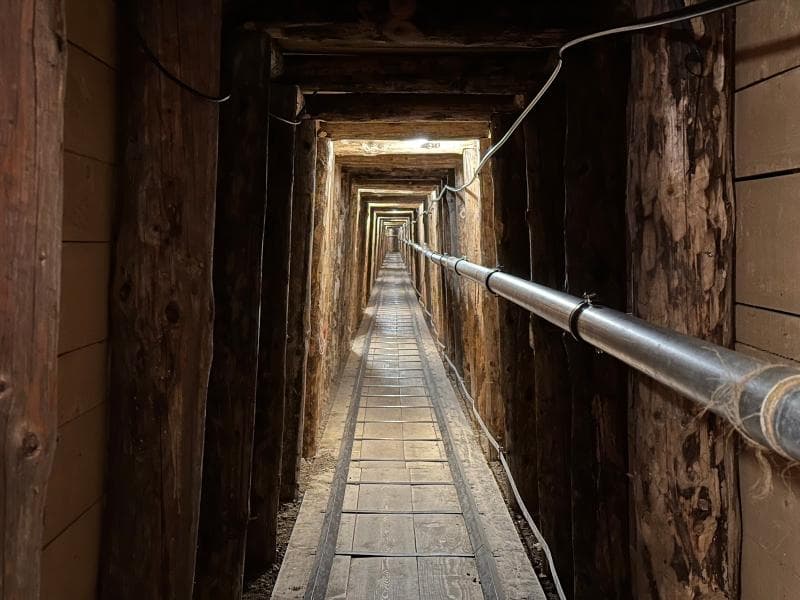
Explore the powerful Museum Exhibits at the Sarajevo Tunnel Museum in Sarajevo, Bosnia and Herzegovina, revealing the incredible story of resilience during the siege.
Overview
The Sarajevo Tunnel Museum stands as a profound testament to human ingenuity and resilience during the harrowing 1992-1996 Siege of Sarajevo, part of the Bosnian War. Nestled within a seemingly ordinary house in the Butmir neighborhood, the museum preserves a segment of what was known as the 'Tunnel of Hope' or 'Tunnel of Salvation' (Tunel Spasa), which served as the besieged city's only lifeline to the outside world. Visitors step into a historical space where the exhibits bring to life the incredible efforts of those who built and relied on this clandestine passage. The museum experience combines a tangible walk through the tunnel with a rich display of artifacts, photographs, and documentary footage, creating an immersive journey into a pivotal period of modern history.
History & Cultural Background
Sarajevo endured the longest siege of a capital city in modern warfare, lasting 1,425 days. During this time, the city was completely encircled by Bosnian Serb forces, cutting off essential supplies and communication. To counteract this isolation, the Bosnian Army, along with civilians, undertook the monumental task of digging a secret tunnel under the Sarajevo International Airport runway. Codename 'Objekt BD', construction began in March 1993, with workers digging from both the Dobrinja (city side) and Butmir (free territory side) neighborhoods. Completed in just over four months, by July 1993, this underground passage was approximately 800 to 960 meters long, about 1.6 meters high, and one meter wide. It became the city's vital artery, enabling the transport of food, medicine, humanitarian aid, weapons, and fuel, and serving as the sole route for people to enter and exit Sarajevo. The tunnel was essential for the survival of Sarajevo's citizens and became a powerful symbol of their indomitable spirit.
What Makes It Special
The core of the museum's special appeal lies in the opportunity to physically experience a part of the 'Tunnel of Hope'. Visitors can walk through a preserved section of the original tunnel, which gives a visceral sense of the cramped and challenging conditions endured by those who used it during the siege. While the original tunnel was around 800 meters, about 20-25 meters of the authentic tunnel are accessible, with some sections now extended to include revitalized pipe, offering about 125 meters of tunnel experience. The museum, housed in the Kolar family's home—where the Butmir entrance was originally concealed—exhibits a compelling array of historical materials. These include an 18-minute documentary film featuring wartime footage of the tunnel's construction and use, war photographs depicting daily life under siege, military equipment, flags, uniforms, and personal items. Outdoor exhibits also showcase military equipment and reconstructed defensive positions, offering further context to the struggle.
Stories, Fun Facts & Local Details
The museum is run by the Kolar family, whose house provided the clandestine entrance to the tunnel, making their personal story an intrinsic part of the museum's narrative. Digging the tunnel was an extraordinary feat of human will, done mostly by hand with pickaxes and shovels, often under heavy shelling and in waist-high underground water. Workers were sometimes paid in cigarettes, highlighting the desperation and resourcefulness of the time. The tunnel was famously used to transport then-President Alija Izetbegović in his wheelchair for peace talks, underscoring its critical role in connecting Sarajevo to global efforts for peace. Beyond supplies, the tunnel later accommodated a pipeline for oil, cables for electricity, and telecommunications, continuously adapting to the city's urgent needs. This symbol of defiance became known not only as the 'Tunnel of Hope' but also the 'Tunnel of Salvation' (Tunel Spasa), reflecting the profound impact it had on the city's survival.
Visitor Perspective
Visiting the Sarajevo Tunnel Museum is often described as an emotionally intense and humbling experience, a direct encounter with a recent, profound chapter of history. Travelers are advised to wear comfortable, flat shoes for walking through the low-ceilinged and sometimes damp tunnel section. The visit typically takes between 45 minutes to an hour, including viewing the film and exploring the exhibits. Many visitors find that engaging with a local guide, often someone who lived through the siege, significantly enriches the experience by providing personal stories and deeper historical insights that go beyond the artifacts. To avoid crowds, it is recommended to visit in the morning or early afternoon, as tour bus groups tend to arrive midday. The museum serves as a powerful reminder of Sarajevo's resilience, leaving visitors with a lasting impression of the human spirit's capacity to endure and overcome adversity.
Coordinates: 18.33722, 43.81972
View on Google Maps💬 How Travelers Describe This Place
Based on community votes
Must See
799Photogenic
539Unique
424Interesting
234Beautiful
30
Traveler Stories
Discover memorable experiences shared by travelers who have visited this place.
No traveler stories yet.
Be the first traveler to share what made this place memorable.

Tour
By
Spot
Discover amazing places around the world. Your journey starts here.
Explore
© 2026 TourBySpot. All rights reserved.