Multimedia Displays
Minsk, Belarus
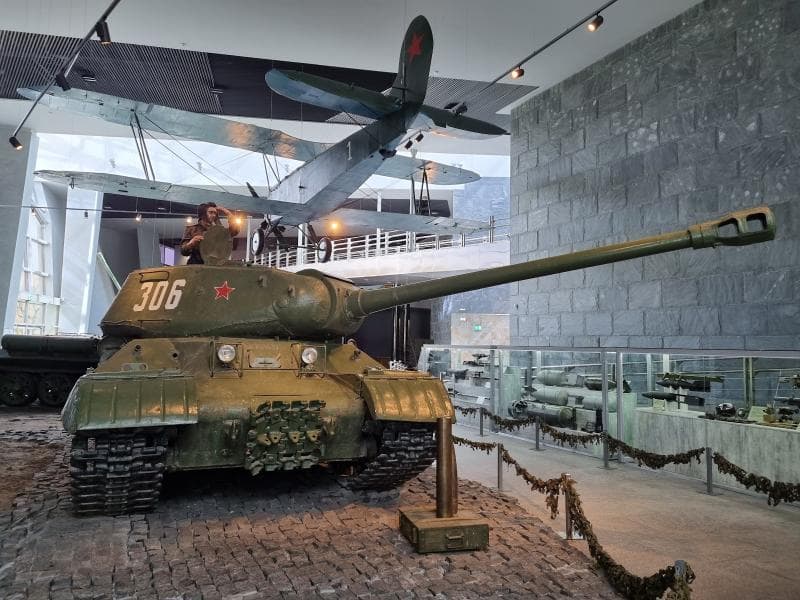
Explore the powerful Multimedia Displays at the Belarusian State Museum of the History of the Great Patriotic War in Minsk, Belarus.
Overview
The Belarusian State Museum of the History of the Great Patriotic War, nestled in the heart of Minsk, Belarus, is a profound testament to the nation's immense suffering and heroism during World War II. Within its modern walls, the 'Multimedia Displays' serve as a crucial component, transforming a traditional museum visit into an immersive and deeply affecting journey through history. These displays are not mere technological novelties; they are integral to the museum's mission of preserving and conveying the grim realities and courageous spirit of the Great Patriotic War, offering visitors a dynamic and engaging perspective on a conflict that claimed one in three Belarusians.
History & Cultural Background
The museum itself holds a unique place in history, being the world's first museum dedicated to the Great Patriotic War and the only one in Belarus established during the Nazi occupation, with its collection beginning as early as June 1942. It first opened its doors in liberated Minsk on October 22, 1944. The current, architecturally significant building, located near the 'Minsk — Hero City' stela and the Pobeda (Victory) museum and park complex, opened on July 2, 2014. This relocation marked a significant upgrade, allowing for the integration of cutting-edge multimedia technologies that complement its vast collection of over 8,000 exhibits and 145,000 rarities. These digital enhancements underscore the museum's commitment to making history accessible and impactful for contemporary audiences, honoring the past while utilizing modern narrative techniques.
What Makes It Special
What truly sets the 'Multimedia Displays' apart is their comprehensive integration into the narrative of the war, moving beyond static exhibits to create a multi-sensory experience. Visitors encounter a variety of advanced technologies designed to evoke the atmosphere of the war years. These include an impressive spherical screen that envelops viewers, offering a panoramic insight into historical events. Holographic 3D installations bring figures and scenes to life, adding a layer of realism and depth. Perhaps most striking is the fog screen, cleverly engineered to imitate the flickering and unpredictable nature of flame, a powerful symbol of destruction and resilience. Large LCD screens are strategically placed throughout the ten themed halls, presenting a wealth of unique archive footage and showcasing more than 40,000 wartime photographs, providing vivid visual context to the artifacts on display.
Stories, Fun Facts & Local Details
Beyond the visual spectacle, the multimedia displays offer profound human connections. Self-service kiosks scattered throughout the museum's halls provide an invaluable resource for deeper exploration. Here, visitors can delve into wartime documents, including personal correspondence of marshals, official German orders, poignant manuscripts, and heartfelt letters written by soldiers. These kiosks also contain tragic lists enumerating burned villages and prisoners of concentration camps, offering a stark and sobering reminder of the war's devastation. This interactive access allows for a personalized encounter with history, enabling individuals to connect with the individual stories behind the grand historical narrative. For instance, being able to read a soldier's actual letter home brings the immense human cost of the war into sharp focus, making the historical accounts tangible and relatable. The museum's dedication to collecting and presenting these personal narratives, alongside larger historical events, ensures that the memory of the millions who perished—including the over 3 million Belarusians—is kept alive.
Visitor Perspective
From a visitor's perspective, the 'Multimedia Displays' are instrumental in creating an engaging and educational experience. They facilitate a deeper understanding of the war's chronology and its destructive impact, allowing individuals to fully immerse themselves in the past. The combination of authentic artifacts, such as military equipment and uniforms, with these modern interactive elements ensures that both the tangible and intangible aspects of history are presented effectively. The goal is to leave visitors with a profound realization: that there is nothing more important than human life. The museum masterfully blends monumental forms with modern technological solutions, crafting an atmosphere that conveys both the greatest tragedy and the unwavering courage of those who lived through it. This powerful presentation fosters reflection and remembrance, making a visit to the Belarusian State Museum of the History of the Great Patriotic War a truly unforgettable and moving experience.
Coordinates: 27.5380439, 53.9161493
View on Google Maps💬 How Travelers Describe This Place
Based on community votes
Unique
961Interesting
695Photogenic
605Must See
404Beautiful
336
Traveler Stories
Discover memorable experiences shared by travelers who have visited this place.
No traveler stories yet.
Be the first traveler to share what made this place memorable.

Tour
By
Spot
Discover amazing places around the world. Your journey starts here.
Explore
© 2026 TourBySpot. All rights reserved.