Multimedia Collections
Graz, Austria
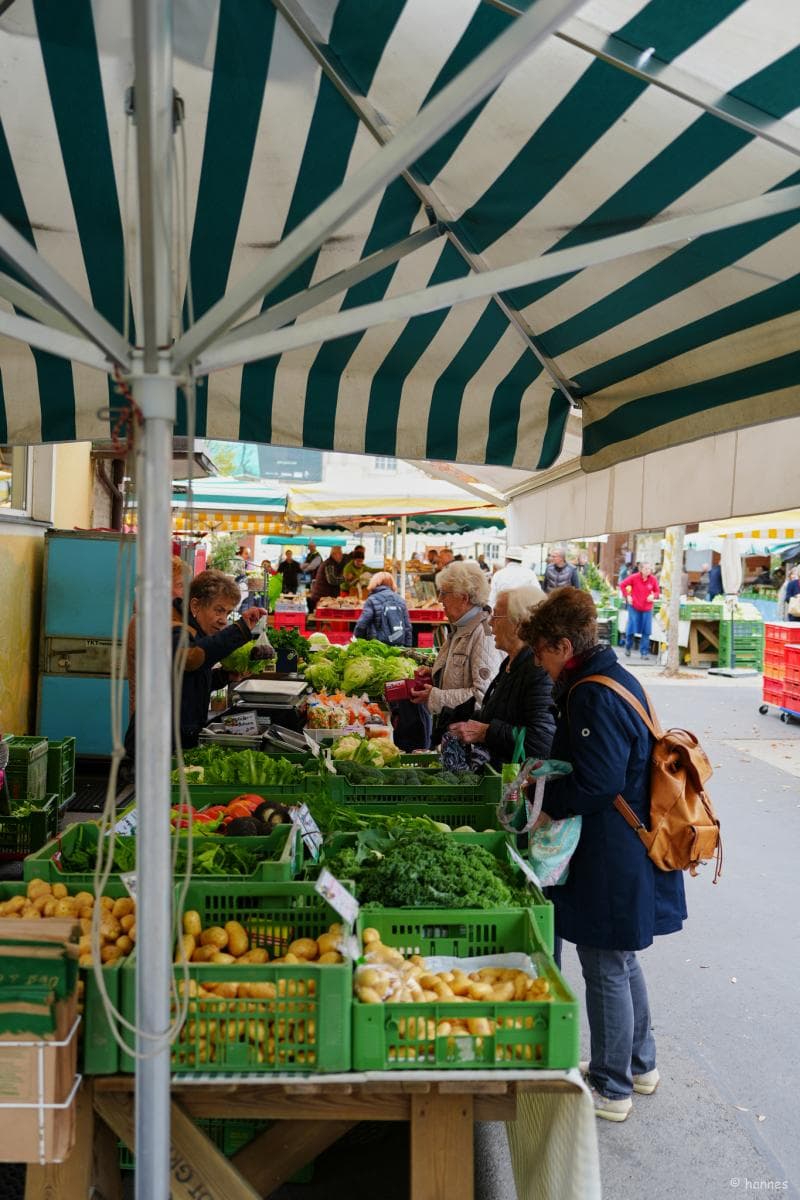
Explore the Multimedia Collections at Universalmuseum Joanneum in Graz, Austria, a unique archive preserving Styria's visual and auditory heritage through photos and films.
Overview
Nestled within the renowned Universalmuseum Joanneum in Graz, Austria, the Multimedia Collections offer a captivating journey through the region's visual and auditory heritage. Far from being a traditional museum space with static displays, this vital department acts as a dynamic archive, preserving and presenting a rich tapestry of photographs, films, sound recordings, and digital media. It's a place where the past comes alive through the lens of various media, allowing visitors to connect with Styrian history and culture on a deeply personal level. While often integrated into exhibitions at the Museum of History, the Multimedia Collections are a cornerstone of the Universalmuseum Joanneum's commitment to documenting and sharing the evolving story of Graz and Styria.
History & Cultural Background
The Universalmuseum Joanneum, established in 1811 by Archduke Johann, stands as Austria's oldest and Central Europe's largest universal museum, dedicated to collecting, preserving, and researching the nature, history, art, and culture of Styria. Within this broad mandate, the Multimedia Collections emerged as a crucial component for capturing the more recent past. As photography, film, and sound recording developed, so too did the need to preserve these new forms of historical documentation. The collection essentially chronicles Styrian society from the High Middle Ages to the present day, with a special emphasis on the cultural history captured through modern media. It serves as a testament to the region's ongoing narrative, reflecting societal changes, everyday life, and significant events through unique, often personal, perspectives.
What Makes It Special
What truly sets the Multimedia Collections apart is its focus on the intangible and often ephemeral aspects of history. Unlike artifact-based collections, here the emphasis is on the stories told through light, shadow, and sound. It champions the often-overlooked 'traces of life' captured by cameras and microphones, providing an intimate glimpse into the past. The collections frequently feature the works of local photographers, both professional and amateur, offering diverse viewpoints on Graz and Styrian life across different eras. For instance, past exhibitions have showcased the extensive photographic archive of Eugen Hauber, a Graz photographer whose work had previously gone unpresented, and the significant Karl A. Kubinzky Collection, which includes thousands of picture postcards and photographs of Graz. These curated presentations make the past tangible, immediate, and profoundly human, providing context that written histories sometimes cannot convey.
Stories, Fun Facts & Local Details
The Multimedia Collections are a treasure trove of local narratives. Imagine exploring Graz through the eyes of its residents from decades past, seeing their streets, their celebrations, and their daily routines. A fascinating aspect is the depth of the Karl A. Kubinzky Collection, comprising approximately 12,500 picture postcards from various Styrian regions, alongside tens of thousands of objects related to Graz. This collection paints a vivid picture of the city's evolution. Another compelling exhibition, 'The Future's Ours!', highlighted amateur photographs by Graz resident Uto Laur from 1930 to 1970, offering an authentic, unfiltered perspective on the city's mid-20th century life. These collections transform historical study into a personal exploration, allowing visitors to discover unique details and charming anecdotes about the place they are visiting. They highlight how even seemingly ordinary photographs or home movies become invaluable historical documents over time, preserving the spirit of a community.
Visitor Perspective
Visiting the Multimedia Collections, often experienced within the context of the Universalmuseum Joanneum's Museum of History or other themed exhibitions, offers a refreshingly different museum experience. Instead of observing artifacts behind glass, visitors engage directly with historical media, providing a multisensory encounter with the past. The exhibitions are thoughtfully curated, allowing for an immersive experience that encourages reflection on historical events and cultural shifts. It's an opportunity to see how people lived, worked, and played in Styria through authentic visual and auditory records. This approach fosters a deeper connection to the region's heritage, inviting curious travelers to not just learn about history, but to truly feel it, providing a unique and memorable insight into the heart of Graz and Styrian life. The Joanneum Quarter, where these collections are often showcased, is a vibrant cultural hub in itself, making the visit a comprehensive cultural immersion.
Coordinates: 15.43737, 47.06869
View on Google Maps💬 How Travelers Describe This Place
Based on community votes
Photogenic
551Interesting
547Unique
336Beautiful
219Must See
186
Traveler Stories
Discover memorable experiences shared by travelers who have visited this place.
No traveler stories yet.
Be the first traveler to share what made this place memorable.

Tour
By
Spot
Discover amazing places around the world. Your journey starts here.
Explore
© 2026 TourBySpot. All rights reserved.