Mosque
Baku, Azerbaijan
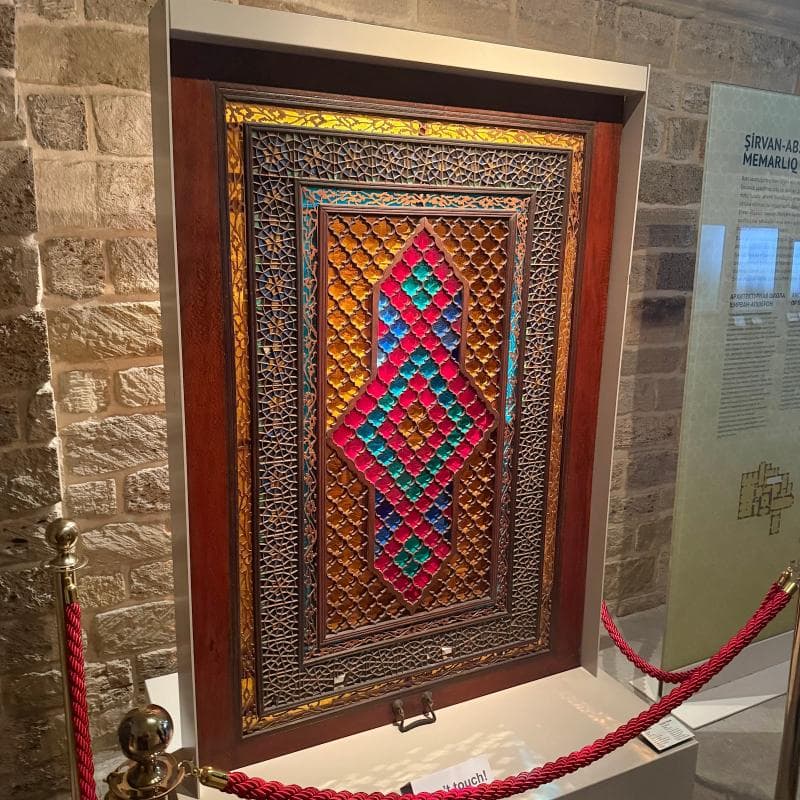
Explore the historic Mosque within the Palace of the Shirvanshahs in Baku, Azerbaijan. Discover its 15th-century architecture and royal heritage.
Overview
Nestled within the historic walls of the Palace of the Shirvanshahs in Baku, Azerbaijan, stands the Mosque, an integral part of this magnificent 15th-century royal complex. Often referred to as the Palace Mosque or Shah's Mosque, it represents a crucial element of the Shirvanshah dynasty's residential and administrative heart. This sacred structure, a UNESCO World Heritage site, is a testament to the enduring architectural heritage of Azerbaijan. Its elegant design and strategic placement within the palace grounds highlight its significance not only as a place of worship but also as a symbol of the spiritual life of the ruling family. The mosque's rectangular layout encompasses a main prayer hall, a smaller women's chapel, and various service rooms, all crowned by distinct domes.
History & Cultural Background
The Mosque of the Palace of the Shirvanshahs was constructed in the 15th century, specifically between 1441 and 1442 CE (845 AH), under the patronage of Shirvanshah Khalilullah I. This period marked a significant era for the Shirvanshah dynasty, as they had relocated their capital from Shemakha to Baku following a devastating earthquake. The palace complex then became the vibrant political and cultural center of the Shirvanshah state. The mosque was specifically designed for the royal family and their close entourage, serving their daily spiritual needs within the confines of their residence. Its construction, alongside other key structures like the burial vaults, Divankhane, and a bathhouse, exemplifies the comprehensive planning of the Shirvan-Absheron architectural school, creating a cohesive and self-sufficient royal city within the wider fortifications of Baku's Old City.
What Makes It Special
The Mosque's unique appeal lies in its harmonious integration into the broader Palace of the Shirvanshahs complex and its embodiment of the Shirvan-Absheron architectural style. Its design features a rectangular plan with a main hall and a distinctive women's chapel. Notably, the northern portal of the mosque, which is more elaborately decorated, faces the Shirvanshahs' burial vault, suggesting a direct spiritual connection between the living and the departed rulers. In contrast, the eastern portal, designed for the general palace inhabitants, offered access via a semi-underground passage. The main prayer hall is illuminated by a double-lighted space, covered by a dome resting on spherical sails, while the women's chapel features its own smaller, complementary dome. The mihrab, indicating the direction of Mecca, is precisely positioned at the southern end of the hall. The slender minaret of the mosque, an architectural highlight, is both elegant and understated, carefully blending into the panoramic silhouette of the Old City. Crafted from local golden limestone, the mosque stands as a prime example of medieval Azerbaijani architecture.
Stories, Fun Facts & Local Details
The Mosque holds several interesting historical details. Inscriptions on the mosque and an adjacent tomb not only date its construction but also commemorate Shirvanshah Khalil I, the ruler who commissioned these impressive edifices. The minaret of the Shah Mosque proudly stands at 16 meters tall. A poignant piece of history reveals that the stone sherefe, or balcony, of this very minaret was tragically damaged by cannonballs during the Russian invasion led by Peter I in 1723. This act of destruction speaks to the turbulent history endured by the palace complex. Designed for practicality and spiritual inclusivity, the mosque features three entrances and separate prayer halls designated for men and women. The entire palace complex, including the mosque, was ingeniously constructed on uneven terrain, resulting in an organic and visually captivating architectural arrangement that seamlessly adapts to its natural surroundings.
Visitor Perspective
For modern-day travelers, visiting the Mosque within the Palace of the Shirvanshahs offers a profound journey back in time. As part of a larger UNESCO World Heritage site, it provides an invaluable opportunity to explore the intricate layers of Azerbaijani history and culture. Wandering through the mosque's interior, visitors can appreciate the intricate stonework and delicate patterns that adorn its surfaces, offering a serene glimpse into the spiritual life of the Shirvanshah dynasty. The atmosphere within the complex, including the mosque, is often described as calm and intimate, inviting visitors to pause, listen, and truly absorb the historical echoes. The use of local limestone throughout the complex ensures that the mosque feels intrinsically connected to the landscape of Baku. Declared a museum-preserve in 1964 and a UNESCO World Heritage site in 2000, the Palace Mosque remains a cherished landmark, symbolizing Azerbaijan's rich architectural and dynastic heritage.
Coordinates: 49.833466, 40.36616
View on Google Maps💬 How Travelers Describe This Place
Based on community votes
Interesting
1.0kBeautiful
869Unique
309Photogenic
100Must See
33
Traveler Stories
Discover memorable experiences shared by travelers who have visited this place.
No traveler stories yet.
Be the first traveler to share what made this place memorable.

Tour
By
Spot
Discover amazing places around the world. Your journey starts here.
Explore
© 2026 TourBySpot. All rights reserved.