Monument Complex
Bishkek, Kyrgyzstan
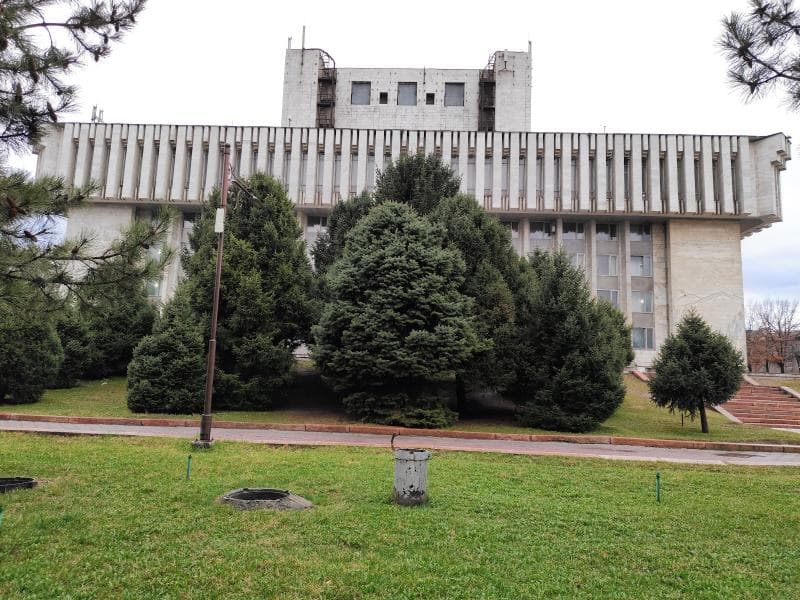
Explore the Manas Sculptural Complex at Kyrgyz National Philharmonic Hall in Bishkek, Kyrgyzstan. Discover the epic hero Manas and rich cultural heritage.
Overview
The Monument Complex, often referred to as the Manas Sculptural Complex, stands majestically in front of the Kyrgyz National Philharmonic Hall in Bishkek, Kyrgyzstan. This iconic ensemble serves as a powerful cultural landmark, deeply rooted in the nation's rich history and folklore. It is a vibrant public space where local residents and visitors alike gather, reflecting Bishkek's dynamic cultural pulse. Dominated by the heroic figure of Manas, the legendary protagonist of the Kyrgyz national epic, the complex beautifully intertwines art, history, and national identity into a compelling narrative for all who visit.
The square itself, sometimes known as Philharmonic Square or Manas Square, is adorned with fountains and landscaped areas, creating a serene environment that complements the grand scale of the monuments and the striking Soviet-era Brutalist architecture of the Philharmonic building behind it.
History & Cultural Background
The history of the Monument Complex is intrinsically linked with the cultural rebirth and national identity of Kyrgyzstan. The centerpiece, the Manas Sculptural Complex, was completed in 1981, following the construction of the Kyrgyz National Philharmonic Hall in 1980.
The central figure, Manas, is the legendary hero of the Epic of Manas, a monumental work of Kyrgyz oral literature that has been recognized by UNESCO for its cultural significance. The epic, which dates back over a millennium, weaves together myths, fairy tales, and historical traditions, portraying Manas as a unifying force and a valiant defender of the Kyrgyz people against invaders.
The Kyrgyz National Philharmonic Hall itself is named in honor of Toktogul Satylganov, a celebrated akyn – an improvising poet and musician – who is considered one of the most influential figures in traditional Kyrgyz arts and a founder of modern Kyrgyz literature. His popular songs continue to resonate with the Kyrgyz people.
What Makes It Special
What makes this Monument Complex truly special is its vivid sculptural depiction of the core tenets of Kyrgyz national identity. The towering statue of Manas astride his magical steed, Ak-Kula, is an arresting sight, capturing him in a dramatic moment of battle against a fearsome dragon. This central sculpture embodies courage and the struggle for freedom.
Flanking Manas are the equally significant figures of his wife, Kanykei, symbolizing strength and unwavering loyalty, and his wise spiritual advisor, Bakai, representing wisdom and guidance. Together, these figures encapsulate the values of heroism, unity, and resilience central to the Epic of Manas.
Further enhancing the complex's unique character are the busts of renowned *manaschy* – the traditional storytellers who have kept the epic alive through oral recitations for centuries. These sculptures pay homage to the vital role of these bards in preserving Kyrgyzstan's cultural heritage. The entire square, paved in red granite, along with its elegant fountains, provides a grand setting for these national heroes.
Stories, Fun Facts & Local Details
The Manas Epic, preserved for generations by *manaschy*, is more than just a story; it's a living tradition that defines the Kyrgyz spirit. It is so vast that it is considered the world's longest epic poem.
Local lore suggests that Manas was not merely a mythical figure but a historical one, his legend growing over time to symbolize the collective memory and aspirations of the Kyrgyz people. The presence of Kanykei and Bakai alongside Manas highlights the importance of family and wise counsel in Kyrgyz culture, reflecting a holistic view of leadership. The square around the complex is a popular gathering spot, especially for the younger generation, making it a place where history continues to interact with contemporary life.
The choice of Brutalist architecture for the Philharmonic building, designed by A. Pechenkin and clad in domestic marble and natural stones, reflects the Soviet-era influence, yet its ornamentation subtly incorporates elements inspired by traditional Islamic design, showcasing a blend of cultural aesthetics.
Visitor Perspective
Visiting the Monument Complex is an immersive experience. As you approach, the sheer scale of the Manas statue commands attention, evoking a sense of awe and respect for the national hero. The intricate details of the sculptures invite closer inspection, offering insights into Kyrgyz artistry and symbolism. The sound of the fountains adds a peaceful ambiance to the bustling city center.
Strolling through the square, one can appreciate not only the artistry of the monuments but also the significance they hold for the Kyrgyz people. It's a place for quiet reflection, for understanding the foundations of Kyrgyz national identity, and for witnessing everyday life unfold against a backdrop of epic history. The Monument Complex is a profound reminder of Kyrgyzstan's enduring connection to its cultural roots, making it an essential stop for any traveler seeking to delve into the heart of Bishkek's heritage.
Coordinates: 74.587194, 42.877386
View on Google Maps💬 How Travelers Describe This Place
Based on community votes
Must See
996Unique
673Photogenic
186Beautiful
143Interesting
80
Traveler Stories
Discover memorable experiences shared by travelers who have visited this place.
No traveler stories yet.
Be the first traveler to share what made this place memorable.

Tour
By
Spot
Discover amazing places around the world. Your journey starts here.
Explore
© 2026 TourBySpot. All rights reserved.