Monument Area
Sofia, Bulgaria
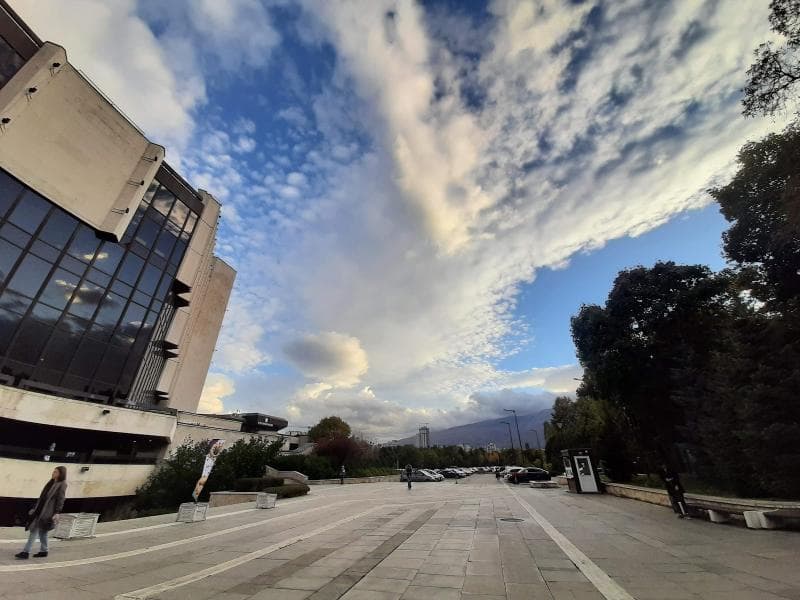
Explore Sofia's Monument Area around the National Palace of Culture, a site reflecting Bulgaria's complex history and urban transformation. Discover its unique past.
Overview
Nestled in the vibrant heart of Sofia, Bulgaria, the area surrounding the National Palace of Culture (NDK) stands as a significant urban space, blending modernist architecture with expansive green landscapes. Often referred to as the 'Monument Area' by those exploring its historical layers, this locale is more than just a park; it's a living narrative of Bulgaria's past and present. Dominated by the impressive structure of the NDK, the surrounding park offers a tranquil escape, punctuated by various memorials and artistic installations that invite contemplation and discovery. From leisurely strolls amidst fountains and greenery to encountering echoes of a complex history, the area provides a multifaceted experience for any curious traveler.
History & Cultural Background
The National Palace of Culture itself was inaugurated in 1981, a monumental undertaking conceived to celebrate the 1300th anniversary of the Bulgarian state. The project was spearheaded by Lyudmila Zhivkova, daughter of Bulgaria's communist leader, Todor Zhivkov, reflecting the era's ambition and commitment to cultural promotion. Coinciding with this grand opening, and situated prominently in front of the NDK, was the 'Monument to 1300 Years of Bulgaria.' Designed by sculptor Valentin Starchev, this abstract, cubist-style monument was intended to symbolize Bulgaria's ancient history, wartime sacrifices, and optimistic future through intertwining concrete structures and bronze figures.
However, the monument's history became fraught with controversy almost from its inception. Constructed rapidly in just eight months to meet the 1981 deadline, it suffered from poor quality workmanship. Within a few years, its marble cladding began to detach, exposing its steel framework and rendering it a deteriorating, even dangerous, landmark. This decline mirrored a broader societal re-evaluation following the collapse of the communist regime, with the monument becoming a symbol of a contentious past. Despite appeals for its preservation or restoration, the Sofia Municipal Council eventually approved its demolition, which commenced in 2017.
What Makes It Special
Today, the special allure of the Monument Area lies in its ability to tell a story of transformation and evolving memory. While the imposing 'Monument to 1300 Years of Bulgaria' is no longer present in its original form, its former site remains a point of historical significance, allowing visitors to reflect on the layers of Bulgarian identity. The vast park surrounding the NDK is beautifully landscaped, featuring ornamental shrubbery, colorful flowerbeds, and a series of fountains, including one with intricate mosaics.
Beyond the NDK's modernist grandeur, the park also hosts other poignant memorials. A segment of the Berlin Wall stands near one entrance, a powerful symbol of overcoming division. Additionally, a monument dedicated to the victims of Communism provides a somber reminder of a difficult period in the nation's history. This blend of aesthetic beauty, public utility, and historical markers creates a unique atmosphere, making it a focal point for both local recreation and cultural introspection.
Stories, Fun Facts & Local Details
The saga of the 'Monument to 1300 Years of Bulgaria' is rich with local anecdotes and lingering debates. Its rapid construction and subsequent decay were subjects of widespread discussion, with many finding its abstract design and deteriorating state an unfortunate reflection of the era it represented. Some critics famously described its appearance as 'ghastly' or 'bizarre,' while others saw it as an intriguing, albeit flawed, piece of socialist modernism. The efforts to demolish it were not without opposition, sparking debates about intellectual property rights and the preservation of contested heritage.
The NDK itself, built with more steel than the Eiffel Tower, stands as a testament to communist-era ambition. It remains an active cultural hub, hosting a myriad of events from international conferences to film festivals, ensuring a continuous flow of life through the area. Locals affectionately refer to the National Palace of Culture by its initials, NDK (pronounced 'En-De-Ka'), a common abbreviation that underscores its integration into the city's daily life. The park is a popular gathering spot, where street musicians play, families relax, and young people enjoy skateboarding, adding a contemporary pulse to its historical gravitas.
Visitor Perspective
Visiting the Monument Area today offers a unique journey through Sofia's urban landscape and historical memory. Travelers can appreciate the colossal scale of the NDK, a striking example of socialist modernist architecture, and then immerse themselves in the surrounding green space. The park provides ample opportunities for leisurely walks, offering shaded benches and open lawns perfect for relaxation. The presence of the Berlin Wall segment and the memorial to the victims of Communism offer quiet moments for reflection, connecting visitors to profound historical events.
While the iconic 'Monument to 1300 Years of Bulgaria' has been dismantled, its absence is a part of the area's story, prompting a deeper understanding of Bulgaria's journey through its past. The interplay of past and present, monumental architecture and serene nature, makes this area a compelling destination for those seeking to understand the soul of Sofia, offering both grand statements and subtle hints of a complex national identity. It's a place where history feels tangible, even in its reinterpretation.
Coordinates: 23.31889, 42.68472
View on Google Maps💬 How Travelers Describe This Place
Based on community votes
Unique
958Beautiful
794Must See
571Photogenic
565Interesting
157
Traveler Stories
Discover memorable experiences shared by travelers who have visited this place.
No traveler stories yet.
Be the first traveler to share what made this place memorable.

Tour
By
Spot
Discover amazing places around the world. Your journey starts here.
Explore
© 2026 TourBySpot. All rights reserved.