Mons Meg
Edinburgh, United Kingdom
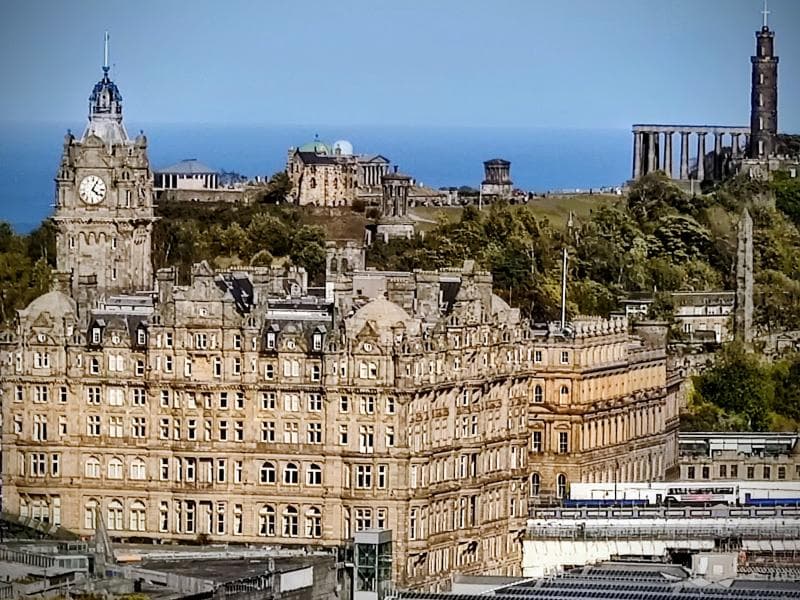
Discover Mons Meg, the massive 15th-century siege cannon at Edinburgh Castle, United Kingdom. Explore its rich history, unique stories, and impressive scale.
Overview
Perched proudly within the historic confines of Edinburgh Castle, Mons Meg stands as a formidable testament to medieval artillery engineering. This colossal siege cannon, a true marvel of its time, is one of the largest and oldest surviving bombard in the world. Visitors to Scotland's iconic fortress are immediately struck by its impressive presence, offering a tangible link to a bygone era of warfare and royal ceremony. Mons Meg is more than just an old cannon; it is a storied relic that has witnessed centuries of Scottish history unfold from its commanding position atop Castle Rock.
Crafted with remarkable precision for its age, Mons Meg embodies both destructive power and regal prestige. Its sheer size and historical journey make it a compelling focal point for anyone exploring the castle grounds, drawing attention with its distinctive iron form and the legends that surround it.
History & Cultural Background
The story of Mons Meg begins in 1449, when it was forged in the town of Mons (present-day Belgium) by Jehan Cambier on the orders of Philip the Good, Duke of Burgundy. This impressive bombard was intended as a grand gift to James II, King of Scots, and arrived in Scotland in 1457. At the time, it represented the cutting edge of military technology, a powerful symbol of alliance and royal might.
Initially, Mons Meg saw active service in various sieges, demonstrating its formidable power against fortified castles. King James II famously had it hauled 80 kilometers (50 miles) to the siege of Roxburgh Castle in 1460, a monumental task given its immense weight, with oxen struggling to move it more than 5 kilometers (3 miles) a day. Though James II tragically died at Roxburgh from another cannon's explosion, Mons Meg continued its military career under James IV, being used against Dumbarton and Norham Castles.
By the mid-16th century, advances in artillery meant Mons Meg became obsolete as a field weapon, transitioning into a ceremonial role. It was fired on significant royal occasions, including the marriage of Mary, Queen of Scots, to the French Dauphin in 1558, and to welcome various monarchs. Its ceremonial use, however, came to an abrupt halt in 1681 when its barrel burst during a salute fired for James, Duke of Albany (later King James VII).
Following this incident, the damaged cannon lay neglected for many years until it was removed to the Tower of London in 1754 under the terms of the Disarming Act. It remained in England for 75 years until a passionate campaign led by Sir Walter Scott and the Society of Antiquaries of Scotland secured its return to Edinburgh Castle in 1829. Its triumphant homecoming was marked by a grand procession, escorted by cavalry and infantry, through the streets of Edinburgh.
What Makes It Special
Mons Meg's enduring allure stems from several remarkable characteristics. Firstly, its sheer scale is astounding: weighing approximately 6.6 tonnes and boasting a 20-inch (510 mm) barrel diameter, it is one of the largest cannons by caliber ever constructed. This massive bombard was capable of firing 150-175 kilogram (330-386 lb) stone balls over a distance of up to 3.2 kilometers (2 miles).
Its construction technique—iron staves bound together with iron hoops—was advanced for its time, showcasing the pinnacle of 15th-century metallurgical skill. Furthermore, its survival through centuries of conflict and changing military technology makes it a rare and invaluable artifact. Mons Meg is not just a piece of military hardware; it's a symbol of Scottish identity and resilience, having returned home after its period of exile.
Stories, Fun Facts & Local Details
- A Royal Wedding Gift: Mons Meg arrived in Scotland as a magnificent wedding gift from Philip the Good of Burgundy to James II, marking a significant diplomatic gesture between European powers.
- The Long Shot: During the celebration of Mary, Queen of Scots' marriage in 1558, a cannonball fired from Mons Meg was reportedly recovered nearly two miles away, near what is now the Royal Botanic Garden.
- A Barrel of Controversy: The bursting of its barrel in 1681, during a salute for the Duke of Albany, led to speculation. Some suggested the English cannoneer responsible might have overloaded it intentionally, fueled by a perceived English envy of Scotland's unique weapon.
- A Child Could Fit Inside: The enormous 20-inch bore of Mons Meg's barrel is wide enough that a small child could comfortably fit inside, illustrating its colossal dimensions.
- A Slow Journey: Transporting Mons Meg was an arduous undertaking. Historical records suggest that moving the cannon for sieges required teams of oxen, and even then, it could only manage about three miles per day.
- Sir Walter Scott's Campaign: The famous Scottish novelist, Sir Walter Scott, played a crucial role in advocating for Mons Meg's return from the Tower of London to Edinburgh Castle, highlighting its cultural significance to Scotland.
- The Name's Origin: While forged in Mons, the 'Meg' part of its name did not appear in records until 1678. The 'Meg' may refer to Margaret of Denmark, queen of James III, or simply be an alliteration.
Visitor Perspective
Today, Mons Meg is one of the most popular attractions within Edinburgh Castle, strategically positioned near St. Margaret's Chapel. Its imposing presence against the backdrop of the castle walls and panoramic views of Edinburgh makes for a memorable sight.
Visitors can get up close to this ancient weapon, appreciating its formidable size and imagining the power it once commanded. Exploring Mons Meg offers a powerful connection to Scotland's rich military past and royal history. It's an integral part of the Edinburgh Castle experience, included with general admission, and provides an excellent photo opportunity. It is advisable to wear comfortable shoes to navigate the cobbled paths of the castle, and allow ample time to explore not just Mons Meg but also the Scottish Crown Jewels, the Great Hall, and other historic sites within the fortress.
Coordinates: -3.20041, 55.94868
View on Google Maps💬 How Travelers Describe This Place
Based on community votes
Beautiful
898Unique
667Must See
308Photogenic
190Interesting
32
Traveler Stories
Discover memorable experiences shared by travelers who have visited this place.
No traveler stories yet.
Be the first traveler to share what made this place memorable.

Tour
By
Spot
Discover amazing places around the world. Your journey starts here.
Explore
© 2026 TourBySpot. All rights reserved.