Monastic Buildings
Vientiane, Laos
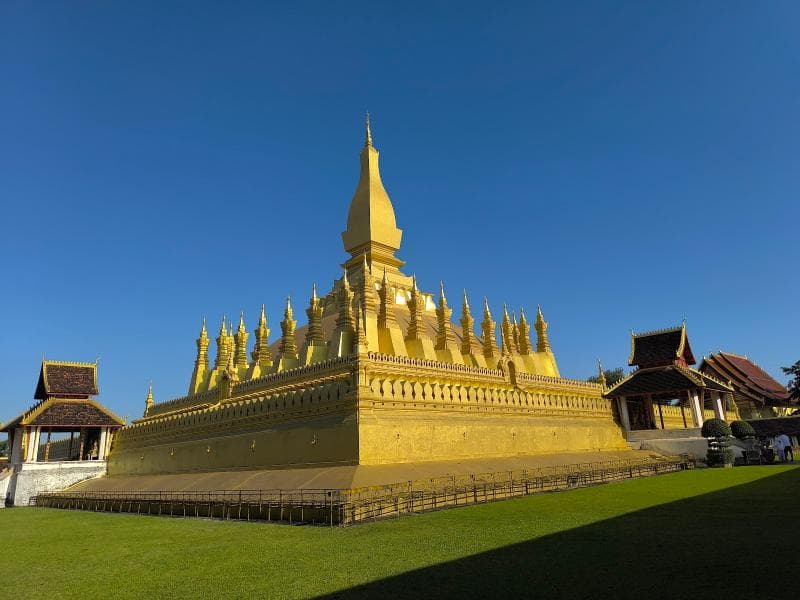
Explore the historic Monastic Buildings of Pha That Luang in Vientiane, Laos, including Wat That Luang Neua and Tai, active centers of Buddhist life.
Overview
Beyond the radiant golden stupa of Pha That Luang in Vientiane, Laos, lie the serene and historically significant Monastic Buildings, specifically Wat That Luang Neua to the north and Wat That Luang Tai to the south. These active monasteries are not merely ancillary structures but are integral to the spiritual heartbeat of the entire complex, serving as vibrant centers for Buddhist practice, study, and community life. They offer a profound glimpse into the daily routines of monks and the deep-rooted Buddhist traditions of Laos. As you explore the grandeur of the main stupa, these surrounding temples provide a more intimate and living connection to the nation's spiritual heritage.
History & Cultural Background
The monastic buildings surrounding Pha That Luang boast a rich history intertwined with the Great Stupa itself. While the main stupa's origins are believed to date back to the 3rd century BCE, the current monastic structures, including Wat That Luang Neua and Wat That Luang Tai, are thought to have been established around the 16th to 17th centuries. They were built alongside the main stupa under the patronage of King Setthathirath, who moved the capital to Vientiane and commissioned the grand reconstruction of Pha That Luang in 1566. These temples served as 'Guardian Wats,' protecting and complementing the central sacred relic believed to be a breastbone of the Buddha. Like Pha That Luang, they have endured periods of destruction and reconstruction, notably suffering damage during Siamese invasions in the 19th century. Their restoration throughout the 20th century, often based on historical drawings, ensured their survival as vital cultural and religious landmarks, embodying the resilience of Lao Buddhism.
What Makes It Special
What sets the Monastic Buildings apart is their status as living, breathing centers of devotion. Unlike museum-like ancient ruins, these are active monasteries where monks reside, study, and perform daily rituals. Wat That Luang Neua, for instance, is not only an active monastery but also serves as the residence of the Supreme Patriarch of Lao Buddhism, adding immense spiritual gravitas to its northern location. Architecturally, these temples showcase traditional Lao design with their distinctive multi-tiered roofs, gently sloping lines, and intricate decorative elements. Inside, visitors can find altars adorned with Buddha statues, surrounded by offerings, candles, and murals depicting significant Buddhist stories and teachings. Wat That Luang Tai is particularly renowned for its magnificent reclining Buddha statue and vibrant, colorful murals that narrate Buddhist parables, offering a visually rich and contemplative experience.
Stories, Fun Facts & Local Details
Within the tranquil courtyards of the Monastic Buildings, cultural narratives unfold. At Wat That Luang Neua, a large Bodhi tree stands prominently, believed to be a descendant of the sacred tree in Bodh Gaya, India, under which the Buddha attained enlightenment. This tree, surrounded by golden Buddha statues, serves as a focal point for meditation and offerings. The presence of the Supreme Patriarch of Lao Buddhism within Wat That Luang Neua emphasizes its paramount importance in the monastic hierarchy and Buddhist scholarship in Laos. Observing the local residents and monks making offerings and participating in daily ceremonies provides an authentic and heartwarming insight into Lao spiritual life. During the annual Boun That Luang Festival, held during the full moon of the 12th lunar month (typically November), these monastic buildings become bustling hubs of activity, hosting almsgiving ceremonies, candlelight processions, and vibrant cultural performances that draw thousands of devotees and visitors.
Visitor Perspective
Visiting the Monastic Buildings of Pha That Luang offers a serene counterpoint to the golden grandeur of the main stupa. It is an opportunity for quiet reflection and cultural immersion. Travelers are encouraged to dress modestly, covering shoulders and knees, and to speak softly, respecting the sanctity of the active worship spaces. While the main stupa itself cannot be entered, the surrounding temples of Wat That Luang Neua and Wat That Luang Tai welcome visitors to explore their interiors, courtyards, and witness monastic life up close. Taking the time to stroll through the cloisters, admire the detailed artwork, and simply observe the peaceful activities of the monks provides a deeper understanding of Lao Buddhism and its enduring influence. It's a chance to connect with the living traditions that have been preserved for centuries within this iconic Vientiane landmark.
Coordinates: 102.63425, 17.9761667
View on Google Maps💬 How Travelers Describe This Place
Based on community votes
Beautiful
961Photogenic
710Must See
555Unique
448Interesting
156
Traveler Stories
Discover memorable experiences shared by travelers who have visited this place.
No traveler stories yet.
Be the first traveler to share what made this place memorable.

Tour
By
Spot
Discover amazing places around the world. Your journey starts here.
Explore
© 2026 TourBySpot. All rights reserved.