Monastery Tunnels
Podgorica, Montenegro
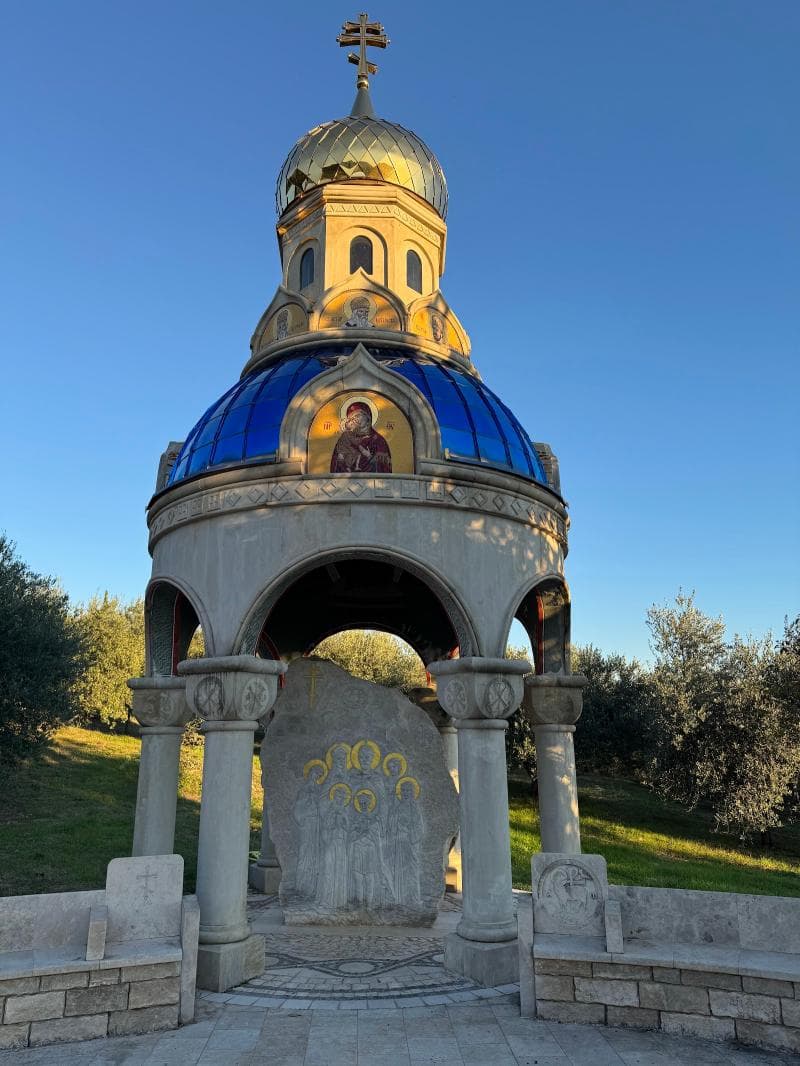
Explore the mystical Monastery Tunnels of Dajbabe Monastery in Podgorica, Montenegro. Discover this unique cave church, its ancient frescoes, and the resting place of Saint Simeon Dajbabe.
Overview
Tucked away amidst the tranquil landscapes near Podgorica, Montenegro, lies the Dajbabe Monastery, a truly extraordinary spiritual haven. This Orthodox Christian monastery stands out not only for its profound religious significance but also for its fascinating architectural design, with a substantial portion of its structure ingeniously carved directly into a natural cave. Dedicated to the Assumption of Mary, or 'Uspenje Bogorodice', the monastery offers a unique blend of natural artistry and human devotion, inviting visitors into a world of quiet contemplation and historical intrigue. Situated on Dajbabe hill, which gently rises above the picturesque Zeta Valley, the monastery provides a serene escape from the bustling city, just about five kilometers from central Podgorica. Its visible exterior, featuring a spacious entrance porch adorned with two belfries, gives only a hint of the hidden wonders within its subterranean chambers, where centuries of faith and art intertwine.
History & Cultural Background
The Dajbabe Monastery's history began in 1897, founded by the visionary Archimandrite Simeon Popovic, often referred to as Father Simeon or Monk Simeon. The establishment of this sacred site is rooted in a compelling local legend: a shepherd, Petko Ivezic from the Zeta area, reportedly experienced divine visions that guided him to this specific location. Monk Simeon, known for his insight and spiritual wisdom, interpreted these visions as a sign to establish a monastery on what was believed to be an ancient, sacred spot.
Initially, only the natural cave space served as the sanctuary, reflecting a profound reverence for the existing landscape. Over time, the monastery expanded, with additional chapels and structures integrated into the cave's natural contours. Father Simeon himself played a pivotal role in transforming the cave's interior, undertaking the monumental task of painting frescoes directly onto the irregular rock surfaces. This artistic endeavor, adjusting the sacred imagery to the natural shapes of the cave, profoundly enhanced the spiritual atmosphere of the monastery. Father Simeon dedicated his life to this holy place, passing away in 1941. His remains were laid to rest within the very cave he helped to consecrate and beautify, making the monastery a significant pilgrimage site.
What Makes It Special
The Monastery Tunnels, as they are often colloquially known, are undeniably the heart and soul of Dajbabe Monastery. What makes this place truly special is its seamless integration with the natural environment. Unlike many monasteries built with conventional structures, a significant portion of Dajbabe is literally 'born' from the earth, utilizing the existing cave system as its foundational element.
The main church and several chapels are housed within these underground passages, forming an unusually shaped interior that deviates from typical church architecture. The founder, Monk Simeon Popovic, displayed remarkable artistic and spiritual ingenuity by painting religious scenes and figures directly onto the bumpy, buckling cave walls. These frescoes, adhering to the rock's natural irregularities, create a mesmerizing and almost otherworldly effect, drawing visitors into a deep sense of antiquity and mysticism.
Furthermore, the monastery holds immense spiritual significance as the resting place of Saint Simeon Dajbabe. His relics are preserved within the cave, making Dajbabe a revered pilgrimage destination. Many faithful believe in the miraculous healing effects associated with his holy relics, adding another layer of profound importance to this unique subterranean sanctuary.
Stories, Fun Facts & Local Details
The Dajbabe Monastery is steeped in local lore and fascinating details. The origin story, involving the shepherd Petko Ivezic's visions and Monk Simeon's interpretation, speaks to a deep connection between the Montenegrin people, their faith, and the land. It's said that the cave itself was identified as an ancient holy place, miraculously preserved from earlier devastations, a discovery that solidified Simeon's decision to establish the monastery there.
The underground church, initially just the cave space, eventually took on a distinctive cross-shaped design, incorporating natural rock formations into its layout. It's quite intimate in scale, described as being approximately 21.5 meters long and about 2.5 meters wide on average, with rough cave sides that were carefully plastered to prepare them for Simeon's artistic hand. His tomb is located in the central part of the church, beside the northern wall, allowing pilgrims to be close to the saint.
A notable aspect of the interior is how Monk Simeon adapted his icon painting to the unique contours of the cave, essentially allowing the rock to dictate parts of the composition. This direct application of frescoes onto the raw stone walls is a testament to the resourcefulness and dedication of the early monastic community and stands as a unique artistic expression within Orthodox Christianity. The only visible part of the monastery from the outside, besides the entrance, is the belfries, which give little indication of the expansive underground world.
Visitor Perspective
A visit to the Monastery Tunnels of Dajbabe Monastery offers a truly unforgettable experience, blending historical exploration with spiritual reflection. Travelers consistently describe the atmosphere as serene and peaceful, a welcome respite from the outside world. The uniqueness of a church carved into a cave, with its ancient frescoes clinging to the natural rock, often leaves a lasting impression, evoking a sense of wonder and deep respect for its builders and inhabitants.
Many visitors note the welcoming nature of the monks, who are often willing to share the monastery's rich history and significance, further enriching the experience. While exploring the underground interior might not take a long time, typically 30 to 60 minutes, the impact is profound. It's a place where one can light a candle, absorb the quiet spirituality, and feel a tangible connection to centuries of faith. The monastery is praised for being less crowded than some other major religious sites, allowing for a more personal and reflective journey. Located conveniently close to Podgorica, it's easily accessible by a short bus ride or taxi, making it an ideal destination for those seeking a unique cultural and spiritual encounter in Montenegro.
Coordinates: 19.232456, 42.403852
View on Google Maps💬 How Travelers Describe This Place
Based on community votes
Unique
703Must See
521Photogenic
380Interesting
291Beautiful
28
Traveler Stories
Discover memorable experiences shared by travelers who have visited this place.
No traveler stories yet.
Be the first traveler to share what made this place memorable.

Tour
By
Spot
Discover amazing places around the world. Your journey starts here.
Explore
© 2026 TourBySpot. All rights reserved.