Monastery Buildings
Lviv, Ukraine
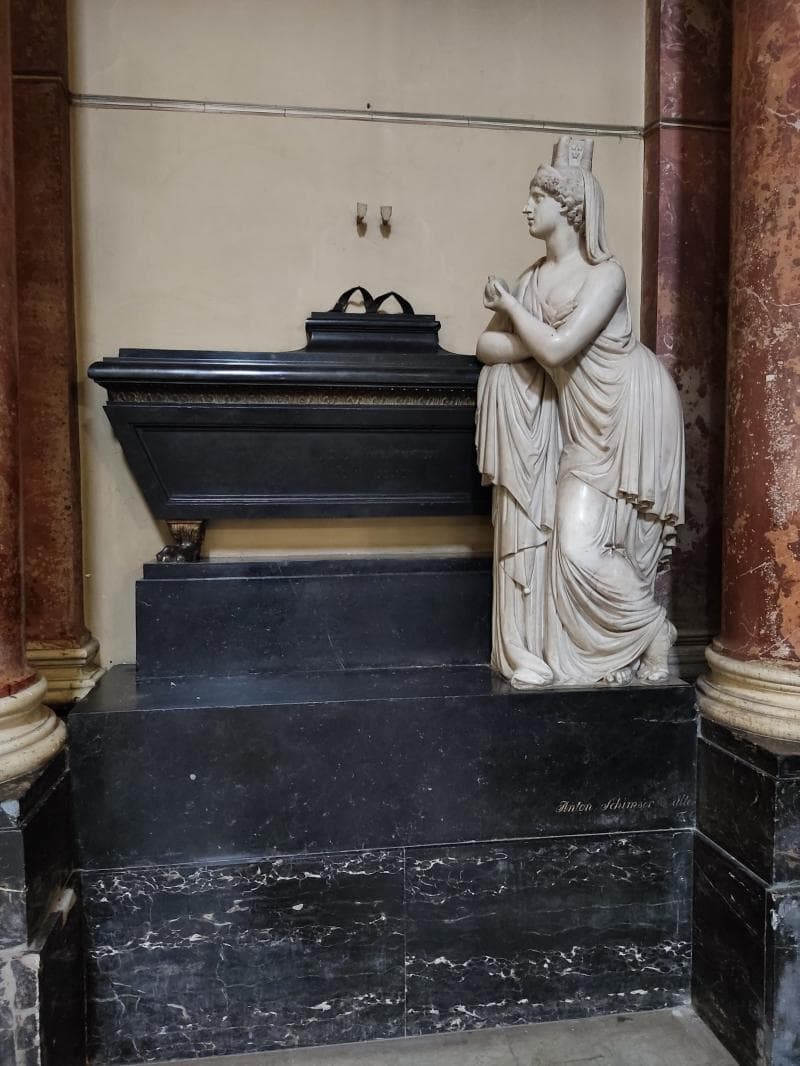
Explore the historic Monastery Buildings of Dominican Cathedral in Lviv, Ukraine, now home to the Lviv Museum of the History of Religion. Discover centuries of history and culture.
Overview
Nestled in the historic heart of Lviv, Ukraine, the Dominican Cathedral complex is more than just an architectural marvel; it is a living testament to centuries of spiritual devotion, historical upheaval, and cultural evolution. While the magnificent Baroque church itself, officially known today as the Greek Catholic Church of the Holy Eucharist, captures immediate attention with its distinctive copper-green dome, the adjacent Monastery Buildings hold their own profound significance.
These historic structures, dating back to the 13th century, have continuously served as a center for religious life, scholarship, and community engagement for the Dominican Order, and later, for Lviv's broader cultural landscape. Today, the monastery wings are home to the unique Lviv Museum of the History of Religion, offering visitors a deeper understanding of faith's role across different eras and traditions. Exploring the Monastery Buildings allows for an intimate journey through the past, revealing the layers of history that have shaped this vibrant city.
History & Cultural Background
The story of the Dominican Monastery Buildings in Lviv begins in the 13th century, with the arrival of the Dominican Order. Tradition suggests that Princess Constance, the Hungarian Catholic wife of Prince Lev Danylovych, played a pivotal role in their establishment around 1234, seeking spiritual solace in a new land. This initial wooden structure laid the groundwork for what would become a significant monastic complex.
Over the centuries, the site witnessed multiple reconstructions. The first written records of the monastery and the Church of Corpus Christi date back to 1377. A Gothic church stood here until the mid-18th century, enduring fires and sieges, reflecting the tumultuous history of Lviv itself. The current majestic Baroque cathedral, designed by military engineer Jan de Witte, was constructed between 1749 and 1764, replacing the dilapidated Gothic predecessor. The monastery buildings evolved alongside the church, housing friars and serving various community needs.
A significant period of transformation occurred during the Soviet era when the complex was repurposed. The church was closed for worship, and the monastery buildings were converted into the Museum of Religion and Atheism. This move, while suppressing religious practice, paradoxically ensured the preservation of many parts of the complex and its sacred art, which might otherwise have been neglected or destroyed. Following Ukraine's independence, the church resumed its religious function, becoming the Ukrainian Greek Catholic Church of the Holy Eucharist, while the monastery wings continued to host the now renamed Lviv Museum of the History of Religion, maintaining its role as a center for historical and cultural reflection.
What Makes It Special
The Monastery Buildings, as an integral part of the Dominican Cathedral complex, offer a unique blend of architectural beauty and profound historical depth. Their enduring presence for over 700 years underscores the continuous thread of spiritual and intellectual life in Lviv. Housing the Lviv Museum of the History of Religion, these structures provide a rare opportunity to delve into the global tapestry of faith, including the specific religious traditions of Ukraine.
Unlike many religious sites that focus solely on their own denomination, this museum, set within the very walls that once housed Dominican friars, offers a broader, comparative perspective on religion's influence throughout history. The preservation of the monastery wings through their transformation into a museum during the Soviet period highlights their inherent cultural value, transcending their original religious purpose. The complex, with its striking Baroque architecture, particularly the elliptical main church and grand dome, is considered one of the finest examples of late Baroque in Europe.
Stories, Fun Facts & Local Details
The Dominican Monastery Buildings are steeped in captivating tales and historical anecdotes. One of the most famous stories dates back to 1559, recounting a dramatic 'war for the bride' when magnate Lukasz Gurka besieged the monastery. His estranged wife, Halshka Ostrozka, one of Rzeczpospolita's wealthiest heiresses, had sought asylum within its walls. The siege reportedly involved cutting off the monastery's water supply, eventually leading to her surrender, and the incident became part of Lviv's enduring folklore.
Beyond dramatic sieges, the monastery was a vibrant hub of daily life. Historical records reveal that it housed not only friars but also an archive, a hospital, a library, a pharmacy, and even an arsenal and a prison for monks. It also operated a school, and fascinatingly, provided some of the earliest references to theatrical performances in Lviv, with comedies staged by schoolchildren in the mid-16th century. Within the church, an alabaster gravestone dating back to the 16th century stands as a tangible link to the earlier Gothic structure, a precious remnant preserved through centuries of change.
Visitor Perspective
For the curious traveler, visiting the Monastery Buildings is an immersive experience that goes beyond mere sightseeing. Walking through the courtyards and exhibition halls of the Lviv Museum of the History of Religion within the monastery, you are invited to contemplate the profound impact of faith across civilizations. The intricate Baroque details of the adjoining church, including the Latin inscription 'Soli Deo Honor et Gloria' ('To God alone be honor and glory') on its façade, inspire awe and reflection.
The unique acoustics of the main church, a consequence of its oval plan and high dome, have made it a popular venue for concerts, particularly organ music. Attending a performance here offers a chance to experience the space not just visually, but also through its intended auditory grandeur. Whether you are drawn by the architectural splendor, the rich historical narratives, or the contemplative atmosphere, the Dominican Monastery Buildings provide a meaningful connection to Lviv's multifaceted heritage, inviting a thoughtful exploration of its past and present.
Coordinates: 24.032222, 49.843056
View on Google Maps💬 How Travelers Describe This Place
Based on community votes
Beautiful
585Unique
546Photogenic
503Interesting
92Must See
56
Traveler Stories
Discover memorable experiences shared by travelers who have visited this place.
No traveler stories yet.
Be the first traveler to share what made this place memorable.

Tour
By
Spot
Discover amazing places around the world. Your journey starts here.
Explore
© 2026 TourBySpot. All rights reserved.