Modern History Wing
Dushanbe, Tajikistan
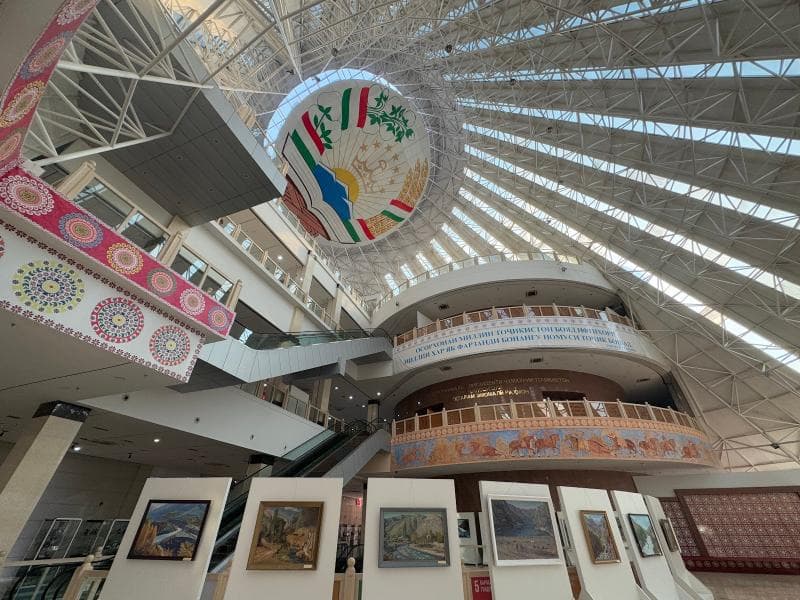
Explore the Modern History Wing of the National Museum of Tajikistan in Dushanbe, chronicling the Soviet era and the nation's independence.
Overview
Stepping into the National Museum of Tajikistan in Dushanbe is like embarking on a journey through time, and a crucial stop on this expedition is the Modern History Wing. Officially known as the Department of Modern and Contemporary History, this section of the museum offers a compelling narrative of Tajikistan's evolution through the tumultuous 20th century and into its vibrant present. Housed within the impressive National Museum, which opened its modern building in 2013, the wing provides visitors with a window into the defining periods that shaped the nation we see today.
This dedicated wing meticulously chronicles the impactful Soviet era, spanning from 1917 to 1991, and continues its story into Tajikistan's period of independence. It's a place where you can trace the societal, economic, and cultural transformations that have forged the modern Tajik identity. For any curious traveler seeking to understand the soul of this Central Asian nation, the Modern History Wing offers essential context and a rich tapestry of experiences.
History & Cultural Background
The Modern History Wing delves deep into the Soviet period, illustrating how Tajikistan was integrated into the Soviet Union and the profound changes this brought to its people and landscape. The exhibits here shed light on the economic shifts, industrialization, and collectivization policies that fundamentally altered traditional ways of life. You'll gain insight into the social reforms that impacted education, healthcare, and women's roles, alongside the cultural movements that fostered a distinct Soviet Tajik identity while simultaneously preserving elements of Persian heritage.
A poignant part of this historical exploration is the dedicated section on Tajikistan's significant role in the Great Patriotic War (1941-1945). This area often features stirring portraits and artifacts, paying tribute to the sacrifices made and the contributions of the Tajik people during this global conflict. Following the Soviet era, the wing transitions into the story of independent Tajikistan, highlighting the nation's journey since 1991. It showcases the new challenges and achievements, from the establishment of national institutions to the development of critical infrastructure like roads and tunnels, symbolizing a nation building its future.
What Makes It Special
What sets the Modern History Wing apart is its ability to present a nuanced view of a complex past. Rather than merely listing dates, it endeavors to humanize history by showcasing the impact of major political and social changes on the daily lives of ordinary Tajiks. The displays capture the resilience and adaptability of the people as they navigated periods of immense transformation. The inclusion of the Soviet period is vital for understanding the foundations upon which modern Tajikistan is built, making connections between past policies and current societal structures. The wing also highlights the continuity of Tajik artistic traditions, demonstrating how local masters from the early 20th century to the present day have contributed to the nation's rich cultural tapestry.
The museum's overall modern presentation, with its 22 exhibition halls, provides a well-organized and engaging experience, making the potentially heavy topics of modern history accessible and thought-provoking.
Stories, Fun Facts & Local Details
Imagine wandering through exhibits that might display everyday household items from the Soviet era, offering a glimpse into the domestic lives of Tajik families during that time. You might encounter photographs of early collective farms, showcasing a dramatic shift from agrarian traditions, or perhaps posters promoting literacy campaigns that brought education to remote villages. In the section dedicated to the Great Patriotic War, you'll find not just military artifacts but potentially personal letters or memoirs, telling individual stories of heroism and hardship that resonate deeply.
For the independence era, keep an eye out for displays celebrating national holidays and cultural festivals, symbolizing the reassertion of Tajik identity. You might see models or blueprints of significant modern infrastructure projects, illustrating the nation's progress and ambition. It's in these smaller, more intimate details that the true spirit of Tajikistan's modern history comes alive, allowing you to connect with the challenges and triumphs of its people on a more personal level.
Visitor Perspective
As you explore the Modern History Wing, prepare for an enlightening experience. The narrative flow is designed to guide you chronologically, helping you piece together the various chapters of Tajikistan's recent past. While some signage may predominantly be in Tajik and Russian, key exhibits often feature English translations, ensuring that international visitors can follow the story. Taking your time in this wing allows for reflection on the profound historical forces that have shaped Central Asia. It's a journey that leaves you with a deeper appreciation for the Tajik people's enduring culture and their ongoing efforts to build a prosperous future.
Coordinates: 68.77947802489051, 38.582194838650075
View on Google Maps💬 How Travelers Describe This Place
Based on community votes
Interesting
703Beautiful
521Photogenic
291Must See
157Unique
28
Traveler Stories
Discover memorable experiences shared by travelers who have visited this place.
No traveler stories yet.
Be the first traveler to share what made this place memorable.

Tour
By
Spot
Discover amazing places around the world. Your journey starts here.
Explore
© 2026 TourBySpot. All rights reserved.