Modern Art Gallery
Hamburg, Germany
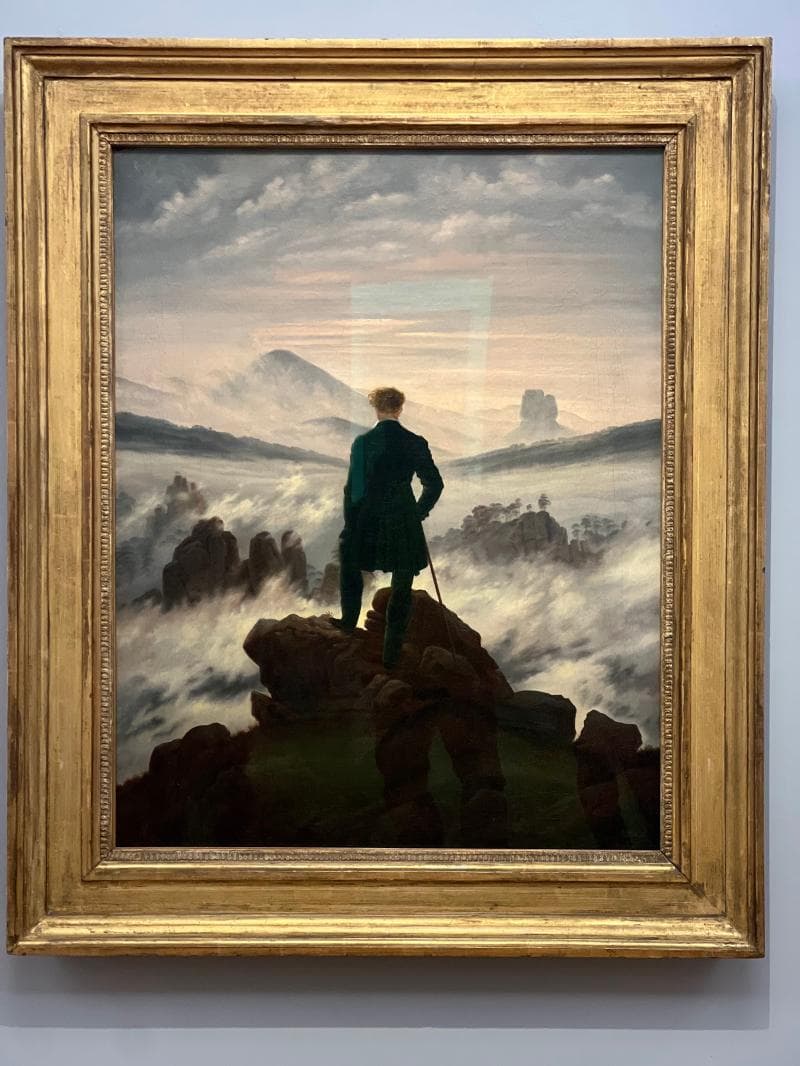
Explore the Modern Art Gallery at Hamburger Kunsthalle in Hamburg, Germany, featuring a significant collection of 20th-century masterpieces.
Overview
Deep within the stately Hamburger Kunsthalle in Hamburg, Germany, lies a captivating journey into the heart of 20th-century artistic innovation: the Modern Art Gallery. Officially known as the 'Sammlung Moderne' or Collection of Modern Art, this significant sub-spot is a vibrant chronicle of artistic breakthroughs from 1900 to 1960. It offers visitors an expansive collection of over 3,000 paintings, sculptures, photographs, and drawings, making it one of Germany's most important modern art collections. The gallery provides a unique lens through which to view the tumultuous yet creatively fertile decades that reshaped the art world and society at large.
As you navigate its thoughtfully curated spaces, you'll encounter a rich tapestry of styles and movements, each piece telling a story of defiance, discovery, and daring. From the raw emotional intensity of Expressionism to the intellectual inquiries of the Bauhaus, the whimsical dreams of Surrealism, and the stark realities of New Objectivity, the Modern Art Gallery at the Hamburger Kunsthalle is a powerful testament to human creativity and resilience. It's an essential destination for anyone seeking to understand the foundational shifts that define modern artistic expression.
History & Cultural Background
The history of the Modern Art Gallery within the Hamburger Kunsthalle is as dynamic and complex as the art it houses. The museum's engagement with modern art began robustly under Director Gustav Pauli, who, starting in 1914, made significant acquisitions of contemporary works, even dedicating specific exhibition spaces to modern art. This pioneering spirit established a strong foundation for what would become a celebrated collection.
However, this progressive stance faced a devastating setback during the National Socialist era. In 1937, under the regime's 'degenerate art' campaign, nearly the entire stock of modern paintings was confiscated and irrevocably lost to the institution. This act of cultural vandalism left a profound void. After the end of World War II, the arduous task of rebuilding and rehabilitating this 'forbidden art' began. Director Carl Georg Heise, taking office in 1945, worked tirelessly to heal this wound through new acquisitions. His successor, Alfred Hentzen, continued to expand the collection from 1955 onwards, even looking towards the current art of his time. Since the 1970s, the collection has been continuously enriched through further purchases, donations, and bequests, ensuring its ongoing growth and relevance.
What Makes It Special
What truly sets the Modern Art Gallery apart is its ability to present a cohesive narrative of a period marked by radical artistic experimentation and profound societal change. It doesn't just display art; it unfolds the 'simultaneity of the different', showcasing how diverse ideas blossomed and clashed across national borders. The collection champions the spirit of rebellion against established traditions and illustrates how art can flourish even after destruction.
The gallery boasts an impressive roster of artists who shaped the era, including masters like Edvard Munch, Paula Modersohn-Becker, Lovis Corinth, Max Beckmann, and Anita Rée. You'll also find iconic works from Expressionist groups 'Brücke' and 'Der Blaue Reiter', alongside masterpieces by artists from the École de Paris, such as Sonia Delaunay-Terk, Georges Braque, and Pablo Picasso. The presence of works from the Bauhaus School, Surrealism, and New Objectivity further underscores the gallery's comprehensive scope, offering a nuanced view of the artistic dialogues that defined the first half of the 20th century.
Stories, Fun Facts & Local Details
One fascinating aspect of the Modern Art Gallery's history is its direct connection to the turbulent political climate of 20th-century Germany. The systematic removal and destruction of so-called 'degenerate art' by the Nazis created a lasting scar, but also spurred an incredible effort in the post-war years to recover and re-establish these vital works. This resilience reflects the broader spirit of Hamburg, a city that has repeatedly rebuilt itself and embraced new beginnings.
The gallery also holds special significance for local visitors, as it often includes a section dedicated to artists from Hamburg, providing regional perspectives that complement the international scope of the modern movement. This integration of local talent adds another layer of meaning, connecting global artistic trends with the city's own cultural contributions. Moreover, the collection's strength in German Expressionism, with powerful works from the 'Brücke' artists, offers a deep dive into a movement that redefined emotion and form in German art.
Visitor Perspective
For the curious traveler, a visit to the Modern Art Gallery is an immersive educational experience. It challenges your perceptions and encourages a deeper understanding of how art reflects and influences historical events. The exhibition design is often thoughtfully arranged to guide you through the various movements, allowing for a natural progression through the chronological and thematic developments of modern art. You'll find yourself pondering the shifts between figuration and abstraction, and tracing the artistic responses to the catastrophes of the early 20th century, such as the First World War. The Hamburger Kunsthalle itself is conveniently located between the central train station and the two Alster lakes, making it easily accessible. With its vast and diverse collection, visitors typically spend a significant amount of time, around two to three hours, exploring the various halls. It's an opportunity not just to see art, but to engage with the complex ideas and emotions that shaped an entire era, leaving a lasting impression long after you've left its walls.
Coordinates: 10.00306, 53.555
View on Google Maps💬 How Travelers Describe This Place
Based on community votes
Interesting
982Must See
903Beautiful
458Photogenic
235Unique
197
Traveler Stories
Discover memorable experiences shared by travelers who have visited this place.
No traveler stories yet.
Be the first traveler to share what made this place memorable.

Tour
By
Spot
Discover amazing places around the world. Your journey starts here.
Explore
© 2026 TourBySpot. All rights reserved.