Modern And Contemporary Art Museum
Nice, France
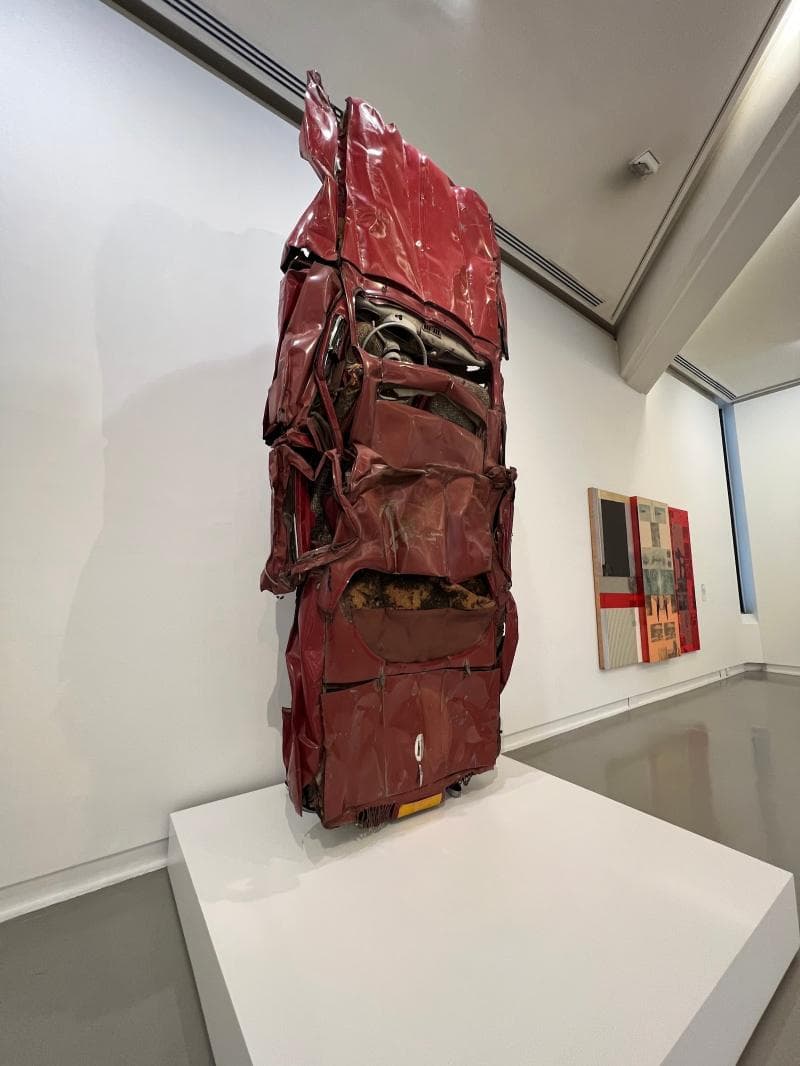
Explore Nice, France's Modern and Contemporary Art Museum (MAMAC). Discover European New Realism, American Pop Art, and major works by Yves Klein and Niki de Saint Phalle. Currently closed for renovation.
Overview
The Musée d'Art Moderne et d'Art Contemporain (MAMAC), or the Museum of Modern and Contemporary Art, in Nice, France, stands as a distinctive architectural landmark dedicated to artistic expression from the latter half of the 20th century to the present day. Inaugurated on June 21, 1990, the museum's striking design immediately integrates it into Nice's urban landscape, bridging different historical sectors of the city. MAMAC’s extensive collection of over 1,300 works by more than 300 artists offers a compelling dialogue between European New Realism and American Pop Art, making it a pivotal cultural destination on the French Riviera.
History & Cultural Background
The concept for a dedicated modern art museum in Nice gained momentum in the second half of the 20th century, with coherent projects surfacing to establish such an institution. A significant precursor was the 'Autour de Nice' exhibition in 1985, which highlighted the necessity for a museum to house and celebrate the region's vibrant artistic scene, particularly the New Realists, the School of Nice, and Support/Surfaces movements. This led to agreements in 1985 and 1987 between the City of Nice and the French State to finance the acquisition of artworks and the architectural project itself.
Designed by architects Yves Bayard and Henri Vidal, MAMAC’s bold architecture was conceived as a tetrapod arch straddling the Paillon river and connecting two distinct urban areas: the historic planning from the Kingdom of Piedmont-Sardinia era and the Belle Époque's exotic vision. The monumental structure, featuring a square plan and arcatures reminiscent of classical architecture, aims to harmonize these elements. Its location near Place Garibaldi and its connection to the 'Promenade des Arts' further embed it within the city's cultural heart.
What Makes It Special
MAMAC's exceptional character begins with its architecture. Comprising four square towers, each thirty meters high and clad in smooth white Carrara marble, the building itself is a work of art. These towers are connected by glass walkways, creating an original and ambitious structure that offers approximately 4,500 square meters of exhibition space. The use of Carrara marble, quarried since Roman times, adds a timeless elegance to its modern form.
Beyond its striking exterior, MAMAC is renowned for its rich collections, which provide an exhaustive overview of modern and contemporary art from the 1950s onwards. A core focus is the relationship between European New Realism and American Pop Art and assemblage art. Key artists prominently featured include Yves Klein, Niki de Saint Phalle, Arman, César, Tom Wesselmann, Andy Warhol, Robert Indiana, and Ben. The museum uniquely positions these movements in dialogue, showcasing how they appropriated and reinterpreted everyday life and mass culture.
The museum's rooftop terraces are another highlight, offering breathtaking panoramic views of Nice, including the Old Town's terracotta rooftops, the Promenade des Arts, and the distant Alps and Mediterranean Sea. This unique perspective allows visitors to connect the art inside with the beauty of its surroundings.
Stories, Fun Facts & Local Details
Two major figures deeply intertwined with MAMAC's identity are Yves Klein and Niki de Saint Phalle. Yves Klein, a native of Nice, is celebrated for his revolutionary 'Monochrome Adventure,' his famous International Klein Blue (IKB), and his innovative use of sponges and fire in art. The museum houses a significant collection of his works, including pieces from the Yves Klein archives, reflecting his profound impact on 20th-century art.
Niki de Saint Phalle, the visionary Franco-American artist, made a monumental donation of 190 pieces, including 63 paintings, to MAMAC in 2001. This generous gift established MAMAC as possessing the largest collection of her work in France and one of the most important globally. Her iconic 'nanas' and other vibrant creations are central to the museum's appeal. In fact, a 'Loch Ness Monster' sculpture by Niki de Saint Phalle once watched over the forecourt below.
The museum also emphasizes the local art scene, particularly from the late 1950s to the early 1970s, showcasing the experimentation and invention of new artistic gestures in Nice and the Côte d'Azur. This includes artists from the 'School of Nice' such as Ben and Sacha Sosno.
As of January 2024, MAMAC is undergoing significant renovation work as part of the larger 'Promenade du Paillon 2' project, aimed at enhancing its integration with the city and natural surroundings. During this closure, the museum has launched an innovative 'outside the walls' program, allowing its collections and exhibitions to be experienced in various locations, both locally and internationally, under initiatives like #MAMACnextdoor and #MAMAConTour.
Visitor Perspective
While MAMAC is currently closed for renovation, when open, it offers a rich and engaging experience for any curious traveler. Its central location, adjacent to Place Garibaldi and within walking distance of Nice's Old Town and Place Masséna, makes it easily accessible. Visitors can typically explore the diverse collections spread across multiple floors, delving into the nuances of European New Realism, American Pop Art, and other significant movements.
A visit to MAMAC traditionally culminates on its panoramic rooftop terraces, providing not just an artistic journey but also a visual feast of Nice's vibrant urban and natural landscapes. Even during its temporary closure, the museum's commitment to sharing art continues through its innovative 'outside the walls' programming, ensuring its spirit of modern and contemporary art remains accessible and alive.
Coordinates: 7.2785, 43.7014
View on Google Maps💬 How Travelers Describe This Place
Based on community votes
Unique
995Photogenic
839Beautiful
603Must See
581Interesting
388
Traveler Stories
Discover memorable experiences shared by travelers who have visited this place.
No traveler stories yet.
Be the first traveler to share what made this place memorable.
Things to see at Modern And Contemporary Art Museum



Tour
By
Spot
Discover amazing places around the world. Your journey starts here.
Explore
© 2026 TourBySpot. All rights reserved.