Minarets
Ashgabat, Turkmenistan
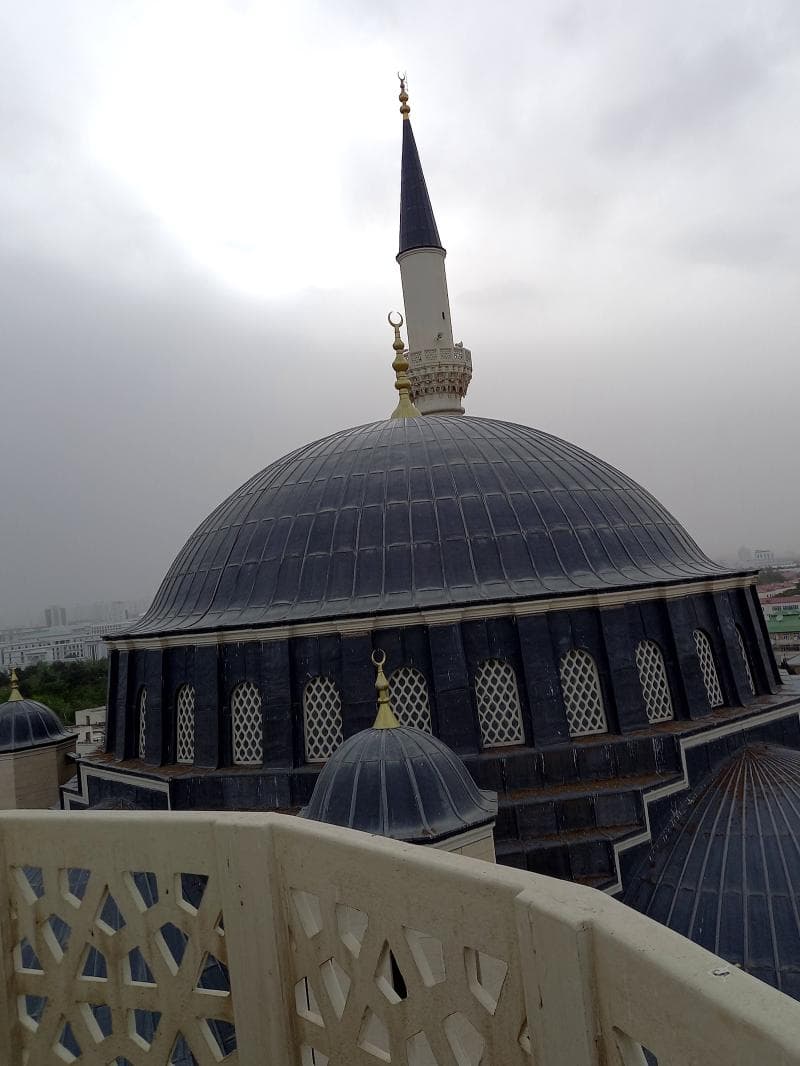
Discover the elegant, snow-white minarets of Ertuğrul Gazi Mosque in Ashgabat, Turkmenistan. A testament to Ottoman architecture and a symbol of independence.
Overview
Soaring gracefully above the urban landscape of Ashgabat, Turkmenistan, the minarets of the Ertuğrul Gazi Mosque are an arresting sight. These four elegant, snow-white towers stand as integral components of one of the city's most significant architectural marvels. Often referred to as the Azadi Mosque, this grand edifice is not merely a place of worship but a prominent landmark, reflecting a rich blend of cultural heritage and architectural grandeur. Its design, reminiscent of classic Ottoman mosques, makes it a distinctive feature in the heart of the Turkmen capital.
The mosque, with its striking minarets, is an iconic representation of Islamic and Byzantine styles, captivating onlookers with its intricate details and imposing stature. It serves as a central point for spiritual reflection and a testament to the nation's independence, welcoming both worshippers and curious travelers to admire its beauty and learn about its storied past.
History & Cultural Background
The Ertuğrul Gazi Mosque was inaugurated in 1998, a significant period following Turkmenistan's independence in 1990. Its construction in the 1990s marked a new era for the young nation, seeking to establish its identity and cultural ties.
Named after Ertuğrul, the revered father of Osman I, who founded the Ottoman Empire, the mosque symbolizes the strong historical and cultural connections between Turkmenistan and Turkey. This naming choice is a powerful nod to shared Turkic heritage and Islamic traditions, embedding the mosque deeply within a broader cultural narrative. Built in a Turkish style by architect Hilmi Şenalp, the mosque deliberately evokes the aesthetics of famous Ottoman structures, most notably drawing comparisons to Istanbul's iconic Blue Mosque.
What Makes It Special
The minarets are arguably the most distinctive features of the Ertuğrul Gazi Mosque. There are four of them, each rising to an impressive height of 62.22 meters, pointing elegantly towards the sky. Crafted from white marble, these towering structures contribute significantly to the mosque's radiant appearance, especially under the bright Central Asian sun. Their design embodies the grace and meticulous craftsmanship characteristic of traditional Ottoman architecture.
Beyond their structural elegance, the minarets represent the call to prayer, echoing through the city and reminding visitors of the mosque's spiritual purpose. They are not merely functional elements but artistic statements, designed to inspire awe and reverence. The extensive use of pristine white marble throughout the mosque's exterior, including the minarets, gives the entire complex a shimmering, almost ethereal quality, making it a prominent and unforgettable sight in Ashgabat.
Stories, Fun Facts & Local Details
The Ertuğrul Gazi Mosque, despite its grandeur, is shrouded in an intriguing local legend. During its construction, several accidental deaths occurred, leading to a prevalent belief among some locals that the mosque is 'cursed' or possesses a 'dark force'. This myth adds a mysterious layer to its already captivating presence, prompting both reflection and curiosity among visitors.
Another fascinating detail lies in the mosque's craftsmanship. The main doors feature incredibly thin work adorned with intricate six-sided ornaments, all handcrafted by skilled artisans from Turkey. Inside, the prayer hall is enriched with gilded words from the Quran, meticulously entered by hand, showcasing exceptional calligraphic artistry. While the mosque is constructed from white marble, its exterior can sometimes appear to have a yellowish or peach hue depending on the lighting, offering a slightly different visual experience at various times of the day.
Visitor Perspective
Approaching the Ertuğrul Gazi Mosque, a visitor is immediately struck by the sheer scale and beauty of its four minarets, which stand as beacons of faith and architectural prowess. The journey through the mosque's large courtyard, complete with a serene fountain, provides a tranquil transition into the spiritual heart of the building.
Inside, the atmosphere is one of profound serenity, enhanced by lavish interior decorations. The minarets, while experienced from the outside, frame the vista of a prayer hall adorned with exquisite stained glass windows, ornate paintings, and gilded accents. This blend of Islamic and Byzantine influences creates a truly unique and awe-inspiring ambiance. Witnessing the mosque's detailed artistry and feeling its peaceful embrace leaves a lasting impression, offering a deep cultural and spiritual experience for any traveler in Ashgabat.
Coordinates: 58.39889, 37.93306
View on Google Maps💬 How Travelers Describe This Place
Based on community votes
Beautiful
836Unique
797Photogenic
396Interesting
286Must See
255
Traveler Stories
Discover memorable experiences shared by travelers who have visited this place.
No traveler stories yet.
Be the first traveler to share what made this place memorable.

Tour
By
Spot
Discover amazing places around the world. Your journey starts here.
Explore
© 2026 TourBySpot. All rights reserved.