Mercat de la Boqueria
Barcelona, Spain
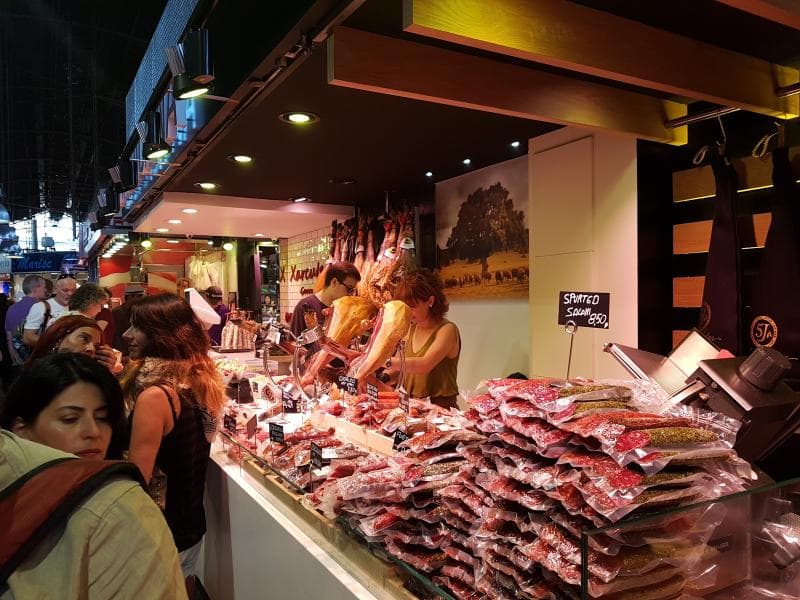
Discover Mercat de la Boqueria, Barcelona's historic and vibrant food market on La Rambla, Spain. Explore its rich history, diverse offerings, and local culinary delights.
Overview
Nestled just off La Rambla, Barcelona's iconic pedestrian boulevard, lies the Mercat de Sant Josep de la Boqueria, widely known simply as La Boqueria. This bustling public market is a vibrant tapestry of colors, aromas, and sounds, offering a sensory feast for anyone who steps inside. More than just a place to shop, it's a living institution, a cornerstone of Barcelona's culinary landscape, attracting daily shoppers, renowned chefs, and curious travelers alike. The market operates from Monday to Saturday, typically between 8:00 AM and 8:30 PM, and offers free entry to all who wish to explore its lively aisles.
La Boqueria is celebrated for its incredible diversity and the exceptional quality of its products, ranging from fresh local produce to exotic international delicacies. It stands as a testament to Barcelona's rich gastronomic culture, embodying both tradition and a dynamic modern spirit.
History & Cultural Background
The origins of Mercat de la Boqueria stretch back to medieval times, with its first historical references dating to 1217. At this time, it functioned as an open-air meat market, strategically located outside the city walls to allow vendors and farmers to sell their goods without incurring city taxes. For centuries, this area was an informal marketplace, evolving through various names like 'Mercadi Bornet' and 'Mercat de la Palla' (straw market) until 1794.
The market's distinctive name, 'Boqueria,' is widely believed to originate from the Catalan word 'boc,' meaning 'billy goat,' reflecting the prevalence of goat meat sold there in its early days. The market's current location once housed the Sant Josep convent, which was tragically destroyed by fire during a revolt in 1835. Following this event, the decision was made to formally establish a market on the site. Construction of the official structure began on March 19, 1840, under the direction of architect Josep Mas i Vila, with the market officially inaugurated in 1853. A significant architectural addition came in 1914 with the construction of its iconic Modernista iron and glass roof, which has since become one of its defining features.
What Makes It Special
La Boqueria is not merely a market; it's a culinary spectacle, often hailed as one of the world's best. In 2005, it received the 'Best Market in the World' award at the World Markets Congress, and CNN has also recognized it as the best fresh produce market globally. Its allure lies in the sheer abundance and impeccable freshness of its offerings. Shoppers can find everything from vibrant displays of seasonal fruits and vegetables, expertly cut Iberian hams, and a staggering array of fresh seafood to artisan cheeses, spices, and tempting sweets. The market's internal layout is designed to immerse visitors, with stalls displaying products that sometimes resemble works of art.
Beyond its produce, La Boqueria is famous for its numerous tapas bars and small restaurants, offering an authentic taste of Catalan cuisine prepared with ingredients sourced directly from the market. Here, visitors can pull up a stool and savor fresh seafood, traditional dishes like 'capipota' (a Catalan stew), or 'esqueixada' (cod salad). Many of these stalls have been run by the same families for generations, preserving a deep sense of heritage and culinary expertise.
Stories, Fun Facts & Local Details
One charming theory regarding the market's name suggests it might derive from 'boca' (mouth in Spanish) or 'bocabadada' (left speechless in Catalan), stemming from a legend that people were left awestruck by treasures displayed by Count Ramón Berenguer IV in the area. This whimsical origin story perfectly captures the sense of wonder the market still evokes today.
La Boqueria is more than a tourist destination; it remains a crucial hub for local life. Many of Barcelona's top chefs visit early in the morning to hand-pick the freshest ingredients for their restaurants, ensuring the highest quality for their dishes. For those seeking to experience the market like a local, arriving between 8:00 AM and 10:00 AM on weekdays is recommended, when the crowds are thinner, and vendors are fully stocked. Look out for the mosaic by Joan Miró on La Rambla, near the market entrance, adding another layer of cultural richness to the area. Visitors might even stumble upon the historical Corralet cemetery behind the market, a site where patients from the old Hospital of Santa Creu i Sant Pau were once buried.
Visitor Perspective
To truly appreciate La Boqueria, plan to spend at least one to two hours exploring its labyrinthine aisles. The early morning hours (before 10:00 AM) are ideal for avoiding peak crowds and experiencing the market as locals do their daily shopping. During lunchtime (12:00 PM to 3:00 PM), the market becomes significantly busier, with longer queues at popular food stalls and bars. Mondays are generally quieter, but it's important to note that many fish stalls are closed on this day. While many vendors accept card payments, having some small cash on hand for minor purchases is always a good idea. For a more authentic experience, venture deeper into the market, as stalls near the entrance tend to cater more to tourists and may have higher prices. And as in any bustling public space, it's wise to be mindful of your belongings.
Coordinates: 2.1724, 41.3817
View on Google Maps💬 How Travelers Describe This Place
Based on community votes
Photogenic
623Must See
363Interesting
302Beautiful
250Unique
88
Traveler Stories
Discover memorable experiences shared by travelers who have visited this place.
No traveler stories yet.
Be the first traveler to share what made this place memorable.

Tour
By
Spot
Discover amazing places around the world. Your journey starts here.
Explore
© 2026 TourBySpot. All rights reserved.