Memorial Walls
Vilnius, Lithuania
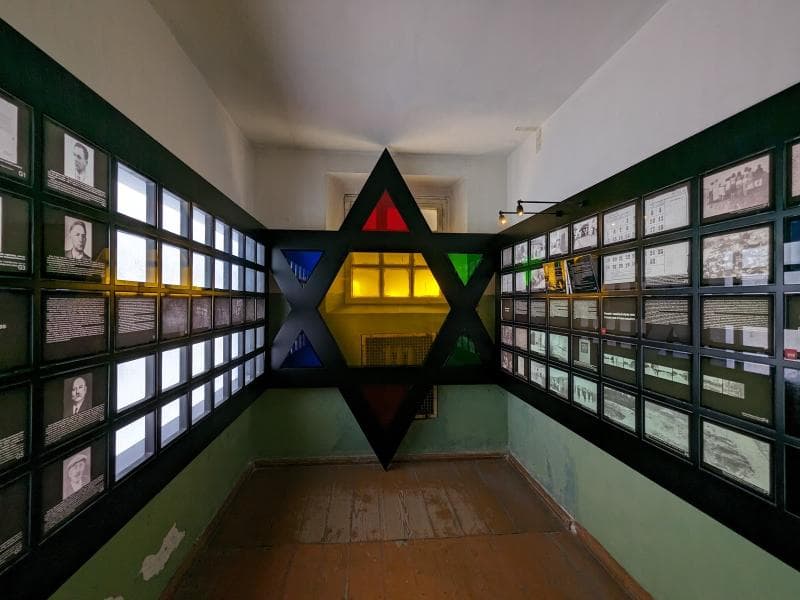
Discover the Memorial Walls at the Museum of Occupations and Freedom Fights in Vilnius, Lithuania, honoring victims of Soviet repression.
Overview
The Memorial Walls, an integral and poignant part of the Museum of Occupations and Freedom Fights in Vilnius, Lithuania, serve as a solemn tribute to the thousands who suffered under Soviet occupation. This powerful outdoor memorial is situated on the exterior facade of the museum building itself, which was once the notorious headquarters of the KGB in Lithuania. The inscriptions immortalized on these walls represent a collective memory, offering a silent yet profound testament to the lives lost and the pain endured by the Lithuanian nation during a dark chapter of its history.
As visitors approach this historic site, the names engraved into the stone immediately convey the museum's core mission: to preserve the memory of the victims of Soviet repression. The Memorial Walls are not merely a list of names; they are a direct and tangible connection to the past, reminding everyone of the profound human cost of foreign occupation and the enduring spirit of those who resisted.
History & Cultural Background
The building housing the Museum of Occupations and Freedom Fights boasts a complex and often harrowing history, directly influencing the significance of its Memorial Walls. Constructed in 1890 as a courthouse, it later became a center of repression under successive occupying powers. During the Nazi occupation from 1941 to 1944, it served as the Gestapo headquarters.
However, it was under Soviet rule, from 1940-1941 and again from 1944 until Lithuania regained independence in 1991, that the building became synonymous with terror. It housed the Soviet security services—the NKVD, NKGB, MGB, and ultimately the KGB—functioning as a prison, interrogation center, and execution site.
Within its basement cells, countless Lithuanians were imprisoned, interrogated, tortured, and executed for resisting the regime. More than 1,000 prisoners were executed here between 1944 and the early 1960s, many of whom were anti-Soviet resistance fighters.
The Memorial Walls emerged from an initiative led by artist Gitenis Umbrasas, transforming the very base of this historically significant building into a monument. By engraving the names and partisan aliases of those condemned and those buried in mass graves, such as in Tuskulėnai, the entire structure became a powerful symbol directly linked to the suffering that occurred within its walls.
What Makes It Special
The Memorial Walls distinguish themselves through their profound authenticity and understated power. Instead of a separate monument, the names of victims are inscribed directly onto the stone facade of the former KGB headquarters—the very place where many met their tragic end. This integration of memorial and historical site creates an inescapable sense of place and past.
The inscriptions themselves are a testament to meticulous craftsmanship and a commitment to permanence. They are deeply engraved into the natural granite surface, utilizing a unique sandblasting technology that ensures durability and maintains visual clarity regardless of environmental conditions. These names, etched up to 10 mm deep, become an inseparable part of the stone, much like the memories they symbolize are an indelible part of the nation's identity.
The 'visually restrained solution' of the memorial enhances its emotional impact, allowing the sheer volume of names and the weight of their stories to resonate without overt embellishment. This minimalist approach amplifies the stark reality of the suffering, making the Memorial Walls a deeply moving and unforgettable experience.
Stories, Fun Facts & Local Details
Each name on the Memorial Walls represents a personal tragedy, a life cut short, and a family devastated. Among the thousands commemorated are brave anti-Soviet resistance fighters, often referred to as 'Forest Brothers', who fought for Lithuania's freedom. Their partisan aliases, alongside their given names, are etched into the stone, highlighting their dual identities in a time of clandestine struggle.
A poignant detail gleaned from the walls is the prevalence of death years between 1945 and 1949, a stark reminder of the intense period of Stalinist repression and the violent suppression of resistance movements following World War II.
The building's location directly opposite Lukiškės Square, a place with its own complex history of both celebration and sorrow, adds another layer to the memorial's narrative. Visitors might not realize they are walking past a former instrument of state terror until they encounter these names, making the discovery all the more impactful. The Memorial Walls are a stark reminder that history is not confined to museum interiors but permeates the very fabric of the city.
Visitor Perspective
Approaching the Museum of Occupations and Freedom Fights, one's attention is inevitably drawn to the inscribed Memorial Walls. It's a striking experience to witness so many names etched into the building's exterior, transforming a former symbol of oppression into a monument of remembrance. The silent rows of names evoke a powerful sense of solemnity and reflection, allowing visitors to grasp the scale of human loss and suffering during the Soviet occupation.
This memorial encourages a moment of quiet contemplation, prompting visitors to consider the individual lives behind each name and the collective struggle for freedom. It serves as a stark introduction to the museum's interior exhibitions, where the stories of interrogation, imprisonment, and resistance are further detailed. For many, the Memorial Walls are the most emotionally impactful part of their visit, leaving a lasting impression of the resilience and sacrifice of the Lithuanian people. It offers a tangible connection to the past, ensuring that the victims are not forgotten.
Coordinates: 25.27069, 54.68802
View on Google Maps💬 How Travelers Describe This Place
Based on community votes
Beautiful
804Unique
733Must See
563Interesting
404Photogenic
336
Traveler Stories
Discover memorable experiences shared by travelers who have visited this place.
No traveler stories yet.
Be the first traveler to share what made this place memorable.

Tour
By
Spot
Discover amazing places around the world. Your journey starts here.
Explore
© 2026 TourBySpot. All rights reserved.