Memorial Wall
Yerevan, Armenia
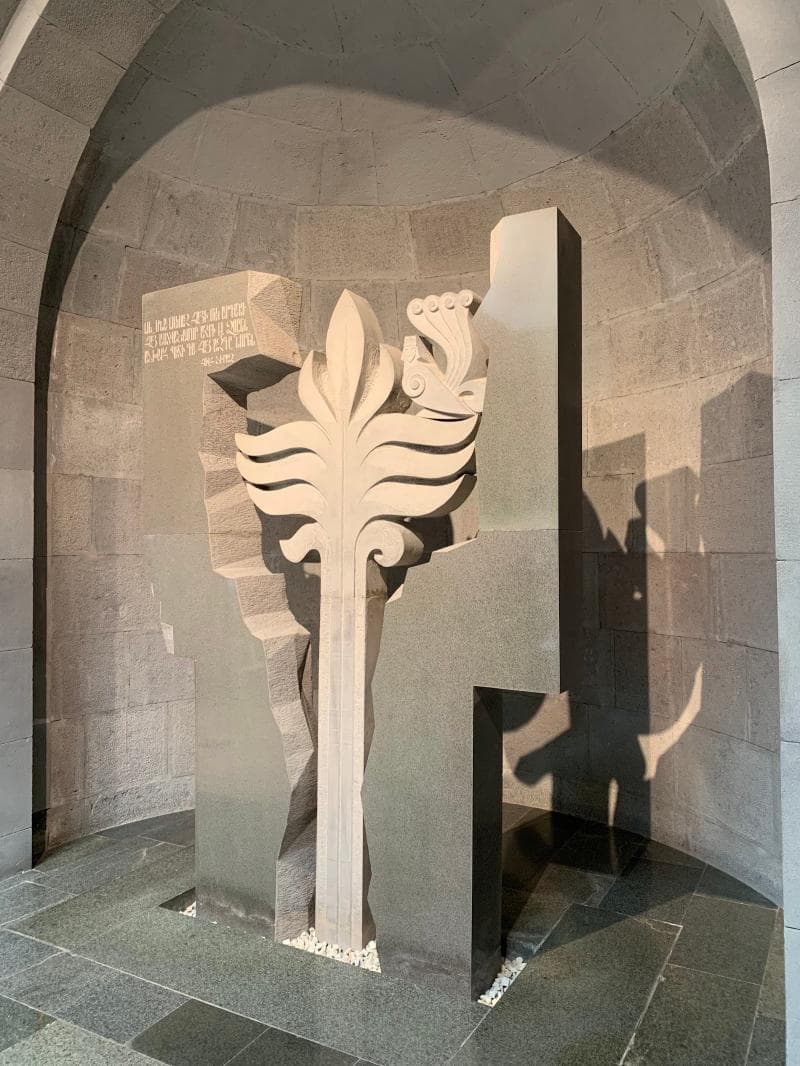
Explore the Memorial Wall at Tsitsernakaberd Armenian Genocide Memorial Complex in Yerevan, Armenia, honoring victims & humanitarians.
Overview
The Memorial Wall, or Hushapat, is a profoundly significant component of the Tsitsernakaberd Armenian Genocide Memorial Complex, situated majestically on a hill overlooking Yerevan, Armenia. Erected in 1967, this solemn structure is dedicated to the memory of the 1.5 million victims of the Armenian Genocide. It stands alongside the Sanctuary of Eternity, which cradles an eternal flame, and the soaring 'Reborn Armenia' Memorial Column, forming a powerful triptych of remembrance and resilience. As one of Armenia's most crucial sites, the Memorial Wall serves as a tangible record of the immense human cost and the vast geographical scope of the atrocities that unfolded in the early 20th century.
History & Cultural Background
The genesis of the Tsitsernakaberd Memorial Complex, including the Memorial Wall, can be traced back to the early 1960s. The impetus for its construction gained significant momentum following the 50th anniversary of the Armenian Genocide in 1965, a period marked by widespread demonstrations in Yerevan calling for official recognition and remembrance. Responding to this national sentiment, Soviet Armenian authorities approved the creation of a memorial, which was ultimately inaugurated in November 1967.
The Memorial Wall specifically was conceived to bear witness to the extensive suffering. It is meticulously inscribed with the names of numerous towns and villages within Ottoman Turkey where Armenian populations endured massacres and forced deportations. This act transforms the wall into a geographic and demographic testament to the tragedy. Moreover, the rear side of the wall holds another layer of historical significance, with plaques honoring humanitarian figures who extended aid and relief to survivors during and after the genocide. Each year on April 24th, Armenian Genocide Remembrance Day, thousands gather at Tsitsernakaberd, an act of pilgrimage that underscores the memorial's profound cultural role in the nation's collective memory.
What Makes It Special
The Memorial Wall stands as a unique and poignant feature within the Tsitsernakaberd complex. Its impressive 100-meter length, constructed from basalt, visually reinforces the scale of the loss. The engravings of settlement names serve as a stark reminder of the widespread devastation and the displacement of an entire people from their ancestral lands. It is a stone-etched map of a vanished world, meticulously preserving the memory of communities that were erased.
Beyond merely listing locations, the wall also pays tribute to those who offered compassion amidst immense suffering. The reverse side features memorial stones embedded with urns containing soil collected from the graves of foreign public figures, politicians, and intellectuals who courageously condemned the Armenian Genocide and advocated for its victims. This includes notable humanitarians such as Johannes Lepsius, Franz Werfel, Henry Morgenthau Sr., and Fridtjof Nansen. This dual dedication—to victims and to their champions—highlights both the depth of human cruelty and the enduring power of empathy.
Stories, Fun Facts & Local Details
The very name of the hill, Tsitsernakaberd, meaning 'Swallow's Fortress', carries deep symbolic resonance. Legend suggests it derives from swallows always returning to their nests, a powerful metaphor for the Armenian people's enduring spirit and their eventual rebirth and resilience despite immense hardship.
The design of the entire complex, including the strategic placement of the Memorial Wall, is laden with symbolism, aiming to evoke reflection and remembrance. On April 24th, the annual commemoration draws hundreds of thousands. Visitors traditionally walk in solemn procession to the memorial, often placing fresh flowers around the eternal flame, symbolizing the everlasting memory of the genocide's victims. The sheer volume of flowers creates a poignant and moving sight.
The Memorial Wall itself is a silent storyteller, its etched names whispering histories of forgotten places and a people's struggle for survival. It serves not only as a monument of the past but also as an integral part of Yerevan's contemporary architectural and cultural landscape, a constant pilgrimage site embedded in the Armenian consciousness.
Visitor Perspective
A visit to the Memorial Wall and the broader Tsitsernakaberd complex offers a profoundly moving and reflective experience for any traveler. Walking along the 100-meter wall, tracing the names of lost towns and villages, evokes a powerful sense of the immense scale of the genocide. The quiet reverence of the site encourages deep contemplation and provides a tangible connection to Armenia's history and its resilience.
The Memorial Wall serves as an essential prelude to the other elements of the complex, guiding visitors towards a deeper understanding. Pausing at the wall, then moving towards the eternal flame and the 'Reborn Armenia' stele, allows for a comprehensive emotional and educational journey. For those seeking to further contextualize the history, a visit to the Armenian Genocide Museum-Institute, located beneath the memorial hill, provides comprehensive historical documents, photographs, and personal artifacts that deepen the understanding of this tragic chapter. This site is not just a collection of monuments; it is a place where history breathes, inviting visitors to bear witness and remember.
Coordinates: 44.4877, 40.1848
View on Google Maps💬 How Travelers Describe This Place
Based on community votes
Beautiful
517Unique
422Interesting
394Photogenic
269Must See
251
Traveler Stories
Discover memorable experiences shared by travelers who have visited this place.
No traveler stories yet.
Be the first traveler to share what made this place memorable.

Tour
By
Spot
Discover amazing places around the world. Your journey starts here.
Explore
© 2026 TourBySpot. All rights reserved.