Memorial Spaces
Nice, France
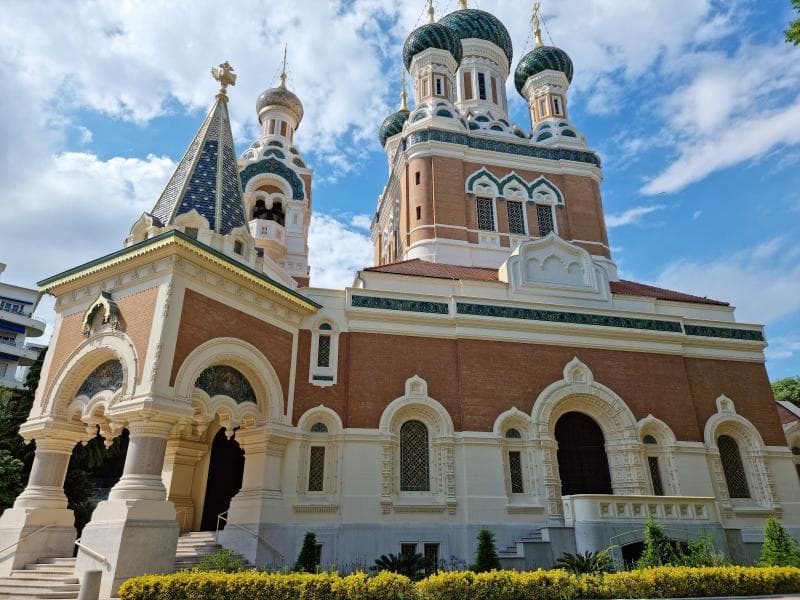
Explore the Memorial Spaces of Cathédrale Saint-Nicolas De Nice, France. Discover its rich history, Russian Imperial ties, and stunning Orthodox art.
Overview
Stepping into the Cathédrale Saint-Nicolas De Nice, also known as the Russian Orthodox Cathedral of Saint Nicholas, is like being transported to a corner of Imperial Russia right in the heart of Nice, France. This architectural marvel, with its distinctive onion domes and vibrant exterior, is more than just a place of worship; it’s a profound memorial space woven into the fabric of the city's history and its deep connection to the Russian aristocracy. Erected in memory of Tsarevich Nicholas Alexandrovich, who tragically died in Nice in 1865, the cathedral stands as a testament to the enduring presence and spiritual devotion of the Russian community on the French Riviera. As you explore its hallowed halls, you’ll discover a mosaic of historical narrative, intricate artistry, and serene devotion that speaks volumes of a bygone era and the individuals who shaped this remarkable landmark.
The ‘Memorial Spaces’ within this grand cathedral are not confined to a single room but are embedded throughout its design and purpose. From the dedication of the entire structure to the Tsarevich to the specific commemorative elements and the rich iconography, every detail serves as a reminder of those it honors and the spiritual journey it represents. It’s a destination that invites quiet reflection, offering a unique blend of cultural heritage and religious reverence.
History & Cultural Background
The story of the Cathédrale Saint-Nicolas is deeply intertwined with the Russian presence in Nice, which flourished in the latter half of the 19th century. Drawn by the mild climate and beauty of the French Riviera, Russian nobility and the Imperial family frequently visited, establishing a significant community. This growing community soon outgrew its initial small church, prompting the ambition for a grander place of worship.
The catalyst for the cathedral's construction was the untimely death of Tsarevich Nicholas Alexandrovich, the eldest son of Emperor Alexander II, who succumbed to meningitis in Nice in 1865. His passing left a profound impact, and an oratory was built on the very site of his death in Bermond Park. Years later, this poignant location was chosen for the new cathedral. Construction commenced in 1903, largely funded by Tsar Nicholas II, and the cathedral was finally consecrated on December 17, 1912. This dedication solidified its role not only as a spiritual home but also as a permanent memorial to the beloved Tsarevich and a symbol of Russia's cultural footprint in France. The architect, Mikhail Preobrazhensky, a professor from the Imperial Academy of Fine Arts in St. Petersburg, designed the cathedral in the traditional Russian style, reminiscent of Moscow's iconic churches like St. Basil's Cathedral.
What Makes It Special
What sets the Cathédrale Saint-Nicolas apart is its extraordinary fusion of Russian spiritual tradition and French Riviera charm. It is recognized as the largest Eastern Orthodox cathedral in Western Europe and a national monument of France, embodying a unique architectural and cultural dialogue.
- Architectural Grandeur: The cathedral’s exterior is an immediate draw, with its six vibrant, multi-colored onion domes – five symbolizing Christ and the four Evangelists – capped with gleaming golden crosses. Its red brick façade is adorned with intricate mosaics, showcasing the mastery of Russian artistry.
- Richly Adorned Interior: Inside, the splendor continues with a breathtaking array of icons, detailed frescoes depicting biblical scenes, and exquisitely carved woodwork. The magnificent iconostasis, a grand wall separating the sanctuary from the nave, was crafted in Russia and features finely carved wood, bronze, and chiseled copper, all covered in gold leaf, serving as a visual narrative of faith and reverence.
- The Tsarevich's Chapel: A particularly significant memorial space is the Chapel of Tsarevich Nicholas Alexandrovich, standing within the cathedral grounds. This chapel marks the exact spot where the Tsarevich passed away, offering a direct, tangible link to the historical event that spurred the cathedral's creation.
Stories, Fun Facts & Local Details
The cathedral holds many fascinating narratives. For instance, its construction was not without challenges, facing delays due to the Russo-Japanese War and internal political upheavals in Russia, requiring Tsar Nicholas II to personally allocate significant funds to ensure its completion. This personal commitment highlights the deep emotional ties the Imperial family had to the project and to Nice. The presence of such a prominent Orthodox cathedral in a Catholic country like France speaks volumes about the historical ties between the Russian Empire and European aristocracy, particularly on the Côte d'Azur.
Visitors often note the serene ambiance, a peaceful retreat from the bustling city outside, enhanced by the soft glow of candlelight and the scent of incense. The floral motifs and Belle Époque decorations throughout the interior add a layer of aesthetic charm, blending Russian tradition with the artistic trends popular in France at the turn of the 20th century. The cathedral also houses a museum in its crypt, providing further historical context and displaying artifacts related to its past and the Russian community in Nice.
Visitor Perspective
For any traveler seeking a deeper understanding of Nice’s diverse cultural landscape, the Cathédrale Saint-Nicolas offers an enriching experience. It's a place where history, art, and spirituality converge, inviting a moment of quiet contemplation. While the exterior, with its vibrant domes, is undoubtedly photogenic, the true magic lies within.
Visitors are encouraged to take their time exploring the intricate details of the icons and frescoes, allowing the profound artistry and religious symbolism to resonate. The atmosphere is reverent, reflecting its ongoing use as an active place of worship for the local Russian Orthodox community. Remember to observe appropriate attire and respectful behavior, as you are entering a sacred space. A visit to the memorial chapel dedicated to Tsarevich Nicholas Alexandrovich provides a poignant connection to the cathedral's founding story, making the overall experience deeply meaningful and historically grounded. It’s an essential stop for those interested in the confluence of Russian history and culture within the picturesque setting of the French Riviera.
Coordinates: 7.25389, 43.70389
View on Google Maps💬 How Travelers Describe This Place
Based on community votes
Must See
836Beautiful
797Photogenic
695Interesting
396Unique
286
Traveler Stories
Discover memorable experiences shared by travelers who have visited this place.
No traveler stories yet.
Be the first traveler to share what made this place memorable.

Tour
By
Spot
Discover amazing places around the world. Your journey starts here.
Explore
© 2026 TourBySpot. All rights reserved.