Memorial Garden
Yerevan, Armenia
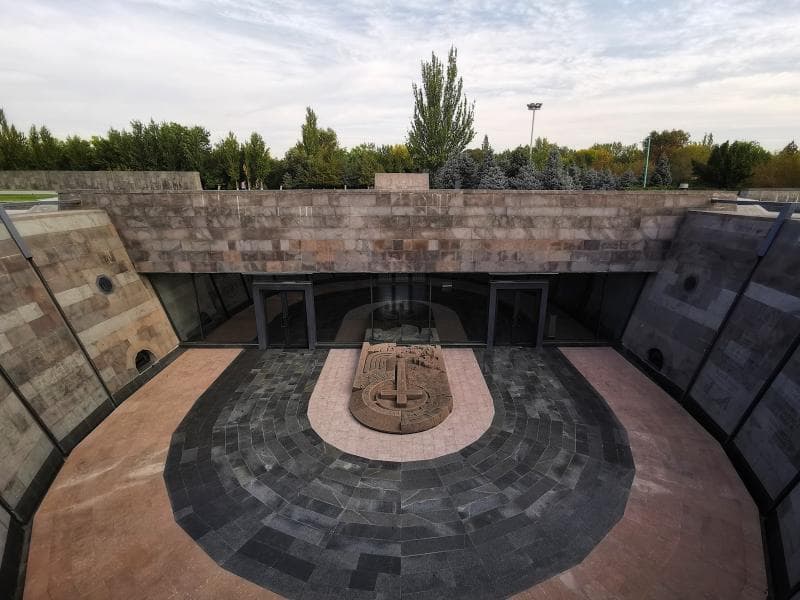
Explore the Memorial Garden (Memory Alley) at Tsitsernakaberd Armenian Genocide Memorial Complex in Yerevan, Armenia. A living tribute to victims.
Overview
Nestled within the profound grounds of the Tsitsernakaberd Armenian Genocide Memorial Complex in Yerevan, Armenia, lies the Memorial Garden, often referred to as the 'Memory Alley' or 'Fir Alley'. This tranquil space serves as a living, breathing tribute to the 1.5 million victims of the Armenian Genocide. More than just a collection of trees, it is a symbolic extension of the memorial's solemn purpose, offering visitors a moment of peaceful contemplation and a tangible connection to the enduring spirit of the Armenian nation.
Unlike the stark, monumental structures of the main memorial, the Memorial Garden provides a softer, organic form of remembrance. Its verdant expanse invites quiet reflection, symbolizing rebirth and resilience amidst the profound sorrow commemorated at Tsitsernakaberd.
History & Cultural Background
The Memorial Garden, specifically the 'Memory Alley', was established in 1997, becoming an integral part of the larger Armenian Genocide Memorial Complex. The decision to create this green space was deeply rooted in Armenian cultural symbolism, where the fir tree is traditionally regarded as a tree of eternity. This choice underscores the Armenian people's enduring memory of the genocide and their unwavering spirit despite immense loss. The alley has grown significantly since its inception, now featuring hundreds of fir trees.
The tradition of planting trees here by foreign dignitaries, heads of state, religious leaders, and renowned cultural figures began shortly after the garden's creation. This act of planting a fir tree at Tsitsernakaberd has become a significant component of state protocol for official delegations visiting Armenia, symbolizing international solidarity and recognition of the genocide.
What Makes It Special
What sets the Memorial Garden apart is its dynamic nature as a 'living memorial'. Each tree planted by a visiting dignitary or notable personality carries a unique dedication, often marked with an inscription. These individual acts of remembrance transform the garden into a collective statement of international acknowledgement and respect for the victims. It's a place where global figures literally sow seeds of solidarity, allowing their support to grow and flourish alongside the memories it honors.
Beyond its symbolic significance, the Memorial Garden also plays a vital ecological role. Despite challenging land conditions, the fir trees thrive due to dedicated care, contributing to Yerevan's green spaces and providing oxygen to the capital. This dual function highlights how remembrance can be intertwined with environmental stewardship, creating a legacy that benefits both history and nature.
Stories, Fun Facts & Local Details
A notable moment in the garden's history was the planting of the very first tree in 1997 by US Senator Robert Dole. This tree was dedicated to Hambar Kelekyan, a survivor of the Armenian Genocide, marking the beginning of a powerful tradition. Since then, many other prominent figures have followed suit, leaving behind a verdant testament to their commitment to remembrance and justice.
Walking through the Memory Alley, visitors can observe plaques and inscriptions associated with many of the trees, revealing the names of those who planted them and often the individuals or sentiments they honor. This personal touch offers a deeper, more intimate connection to the broader historical narrative. It's not just an abstract memorial; it's a collection of individual acts of homage from around the world.
Visitor Perspective
A visit to the Memorial Garden offers a poignant contrast to the stark, powerful architecture of the central Tsitsernakaberd monument. The rustling leaves and the fresh air provide a sense of peace and renewal. It's a place for quiet contemplation, where one can reflect on the tragedy of the past while witnessing a testament to life and resilience. The continuous growth of the trees, planted year after year, symbolizes an ongoing commitment to memory and the eventual triumph of hope over despair.
As you wander through the rows of firs, each representing an act of remembrance, you experience the profound impact of collective memory. The garden effectively communicates that while the genocide was a devastating historical event, the spirit of the Armenian people and the global recognition of their suffering continue to grow and stand tall, much like the trees themselves. It is a powerful reminder that memory cannot be erased and truth cannot be silenced.
Coordinates: 44.4877, 40.1848
View on Google Maps💬 How Travelers Describe This Place
Based on community votes
Interesting
540Beautiful
470Unique
410Must See
254Photogenic
114
Traveler Stories
Discover memorable experiences shared by travelers who have visited this place.
No traveler stories yet.
Be the first traveler to share what made this place memorable.

Tour
By
Spot
Discover amazing places around the world. Your journey starts here.
Explore
© 2026 TourBySpot. All rights reserved.