Memorial Displays
Sarajevo, Bosnia and Herzegovina
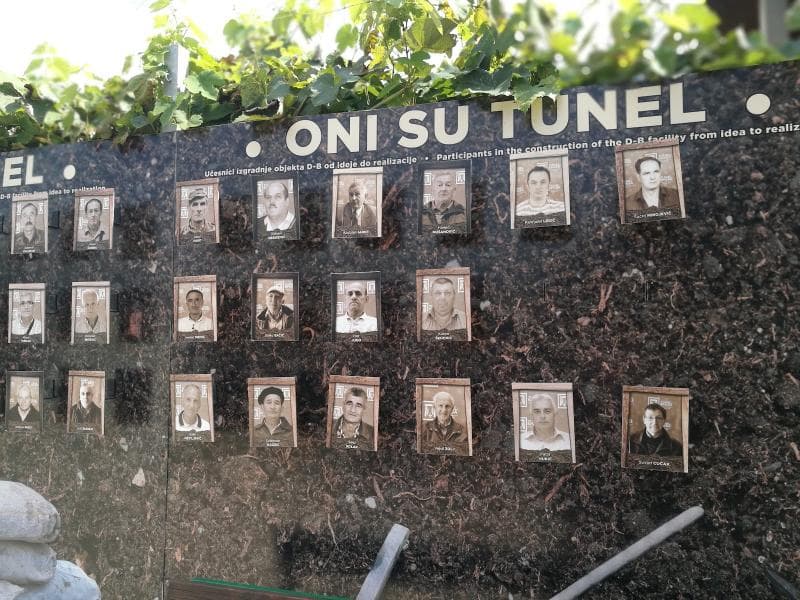
Explore the Memorial Displays at the Sarajevo Tunnel Museum in Sarajevo, Bosnia and Herzegovina, a powerful tribute to the city's resilience during the Siege.
Overview
The Memorial Displays within the Sarajevo Tunnel Museum, affectionately known as the 'Tunnel of Hope' (Tunel spasa), offer a profound and moving journey into one of modern history's most harrowing periods. Located in Sarajevo, Bosnia and Herzegovina, this site preserves a crucial underground passage that served as the besieged city's only lifeline during the 1992-1996 Siege of Sarajevo. The museum is housed in the Kolar family home, which concealed the tunnel's entrance, and features a collection of wartime artifacts, photographs, and personal testimonies that illuminate the human spirit's extraordinary resilience amidst unimaginable hardship.
Visitors can explore a preserved section of the original tunnel, experiencing firsthand the confined and challenging conditions faced by those who traversed it daily. The displays vividly depict the resourcefulness and courage of Sarajevo's citizens as they navigated a world cut off from essential supplies and communication. The museum provides an essential historical context, explaining not just the tunnel's construction and use, but also the broader impact of the Bosnian War on the city and its people.
History & Cultural Background
The Siege of Sarajevo lasted an astonishing 1,425 days, from April 5, 1992, to February 29, 1996, making it the longest siege of a capital city in modern warfare. During this time, Bosnian Serb forces completely encircled Sarajevo, severing all conventional access to the outside world. The city endured constant shelling and sniper fire, leading to severe shortages of food, medicine, electricity, and water.
In response to this dire situation, the Bosnian Army, with the help of local volunteers, began secretly digging a tunnel in January 1993. The ambitious project aimed to connect the besieged city's Dobrinja neighborhood with the free territory of Butmir, passing beneath the UN-controlled airport runway. Dug by hand with rudimentary tools, the tunnel was approximately 800 meters long, 1 meter wide, and 1.6 meters high. Completed in just four months, by mid-1993, it swiftly became the city's vital artery, transporting an estimated 20 million tons of food and allowing approximately one million people to pass through, bringing in supplies and enabling evacuations.
What Makes It Special
The Memorial Displays are unique because they don't just present facts; they offer a deeply personal and experiential connection to history. Walking through the preserved section of the tunnel, albeit a short one, is a humbling experience. It allows visitors to grasp the physical conditions – the low ceiling, narrow passage, and often muddy floor – that were a daily reality for thousands during the siege.
Beyond the physical tunnel, the museum's power lies in its comprehensive collection of artifacts. These include personal items, military equipment, photographs, maps, and an 18-minute documentary film featuring wartime footage and interviews. These elements collectively transform the Kolar family home into a powerful narrative space, where the individual stories of survival, sacrifice, and ingenuity during the siege are brought to life. It serves as a testament to human endurance and a stark reminder of the costs of conflict.
Stories, Fun Facts & Local Details
The construction of the tunnel itself is a story of incredible ingenuity and determination. Volunteers worked in arduous eight-hour shifts, often contending with underground water, limited ventilation, and the constant threat of discovery. To facilitate the movement of goods, a small railway system was installed, allowing carts to transport up to 400 kilograms of cargo at a time.
One poignant detail is that the tunnel was famously used to transport the then-Bosnian President, Alija Izetbegović, in his wheelchair for peace talks abroad. The Kolar family, whose house became the tunnel's clandestine entrance, displayed immense courage and patriotism, dedicating their home to this vital cause. Their commitment continues today, as the family still runs the museum. The exhibits include touching personal effects and handwritten notes, making the historical context profoundly human. Near the museum, one might encounter 'Sarajevo Roses,' concrete scars on the city's pavements filled with red resin, marking spots where civilians were killed by mortar shells, serving as silent, powerful memorials.
Visitor Perspective
A visit to the Memorial Displays typically begins with an informative documentary film, which provides crucial background on the siege and the tunnel's construction through powerful wartime footage. This visual context deepens the subsequent experience of walking through the tunnel itself. Although only about 125 meters of the original and revitalized tunnel are accessible today, this short walk effectively conveys the claustrophobia and effort involved in its use.
The exhibition rooms in the Kolar family house are filled with evocative displays, including original tools used for digging, uniforms, weapons, and everyday items used by those living under siege. These tangible objects, coupled with photographs and narratives, paint a vivid picture of daily life and the challenges faced. Visitors often leave with a profound sense of respect for the resilience of the Sarajevan people and a deeper understanding of the human cost of war. The experience is impactful, serving as a powerful educational tool and a moving tribute to memory and hope.
Coordinates: 18.337212125052623, 43.81975654423921
View on Google Maps💬 How Travelers Describe This Place
Based on community votes
Unique
657Must See
498Beautiful
481Interesting
299Photogenic
19
Traveler Stories
Discover memorable experiences shared by travelers who have visited this place.
No traveler stories yet.
Be the first traveler to share what made this place memorable.

Tour
By
Spot
Discover amazing places around the world. Your journey starts here.
Explore
© 2026 TourBySpot. All rights reserved.