Medieval Towers
Tallinn, Estonia
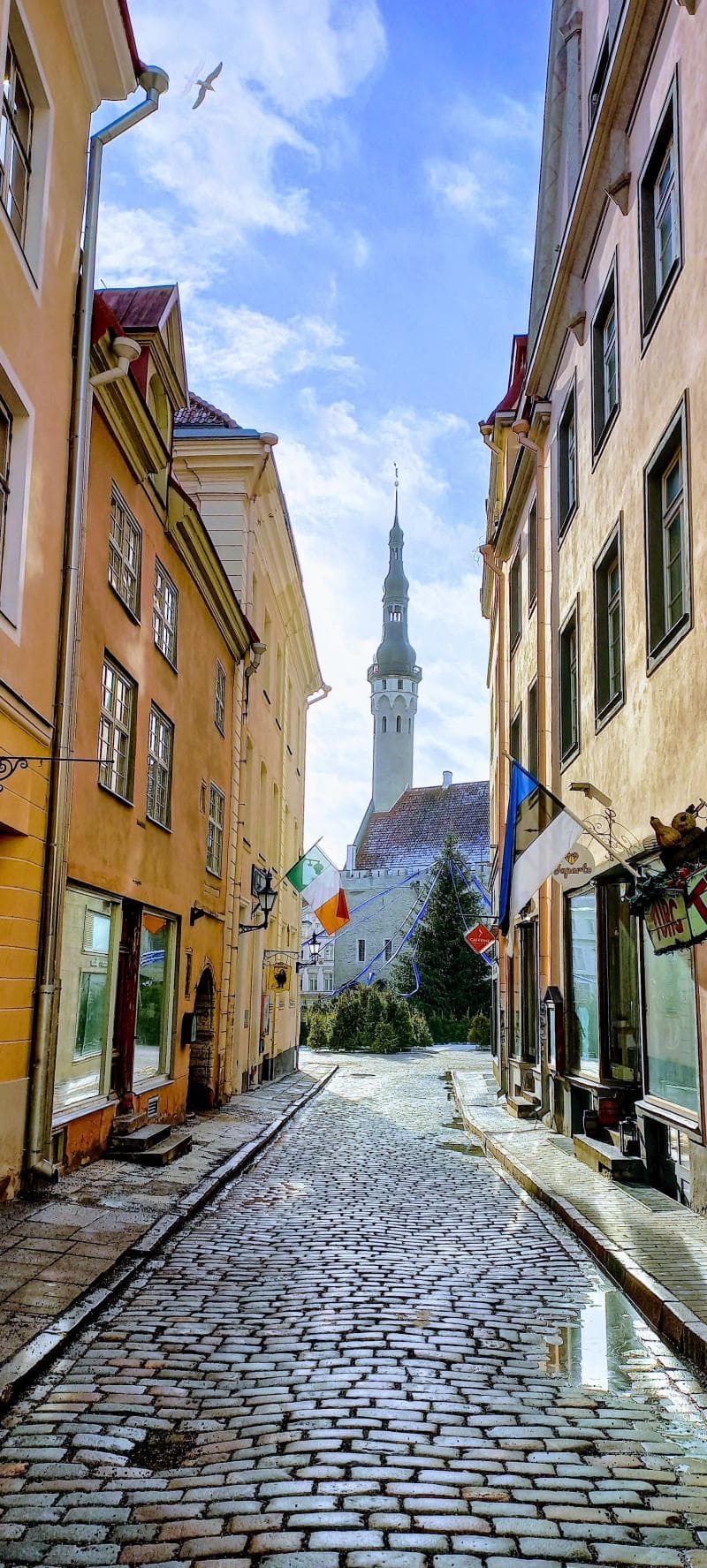
Discover the iconic Medieval Towers of Viru Gate in Tallinn, Estonia. Explore their rich history, unique charm, and what makes them a portal to the past.
Overview
The Medieval Towers of Viru Gate in Tallinn, Estonia, stand as an iconic and picturesque entrance to the city's enchanting Old Town. These two distinctive round towers, crowned with their signature conical red-tiled roofs, are among Tallinn's most recognizable symbols. They are not merely ancient structures but serve as a living portal, gracefully ushering visitors from the modern vibrancy of the Estonian capital into the cobblestoned streets and rich history of its medieval heart. While the towers themselves primarily act as a visual landmark, framing the bustling Viru Street, they represent a fragment of a much larger and more formidable 14th-century defensive system that once guarded the city.
History & Cultural Background
The Viru Gate was originally conceived as a crucial component of Tallinn's extensive city wall defense system during the 14th century. In its prime, the entire gate complex, known as a barbican, was a multi-layered structure comprising a main square gate tower, a deep protective moat, and a functional drawbridge. The twin round towers visible today were actually the foregates, positioned strategically to harass potential attackers approaching the main entrance.
Tallinn's fortifications were among the most impressive in Northern Europe, boasting around 45 towers and four kilometers of walls at their peak. Over time, as the city evolved, many sections of these defenses were dismantled. A significant change occurred in the late 19th century, specifically around 1888, when the burgeoning urban expansion and the introduction of a horse-drawn tram route necessitated wider access to the city center. To accommodate this, the main gate tower and parts of the adjacent walls were demolished. Miraculously, the two round foregate towers were spared, primarily because their location did not obstruct the new tramway and road alignment.
These surviving towers underwent reconstruction for the 1980 Summer Olympics and again in 2003, with careful attention paid to replacing elements like the damaged roof tiles with 'antique' versions, preserving their historical aesthetic.
What Makes It Special
What truly sets the Medieval Towers of Viru Gate apart is their remarkable blend of historical resilience and contemporary significance. They are not just architectural remnants but a beloved 'calling card' of Tallinn, frequently appearing in postcards and travel guides. Their conical-roofed form creates a 'fairytale-like aesthetic' that contributes immensely to the medieval ambiance of the Old Town, creating a seamless transition from the modern world outside. The fact that these structures survived the pressures of 19th-century urban development, unlike much of the larger gate complex, speaks to their enduring value and the city's eventual recognition of their importance. Today, the Viru Gate is even a registered trademark of Tallinn, solidifying its status as a cultural icon.
Stories, Fun Facts & Local Details
The name 'Viru' itself holds a piece of history, originating from Virumaa, an ancient historical county located to the east of Tallinn, towards which the road through this gate traditionally led. Interestingly, the old German name for the gate was 'Lehmpforte,' meaning 'clay gate,' likely referencing nearby clay pits. One of the most fascinating historical details is the period, spanning approximately thirty years, when a horse-drawn tram actually ran directly through the space where the main gate once stood. This necessitated the demolition of the central gate, but it also explains why the smaller, round towers were ultimately preserved.
Today, as you pass through, you might still discern subtle 'architectural scars' on the adjacent buildings, hinting at where the grander main gate once connected to these towers. Immediately surrounding the towers, particularly on Viru Street, you'll find the vibrant local flower market, a long-standing Tallinn tradition, with stalls that are often open around the clock, adding a touch of continuous charm to this historic spot.
Visitor Perspective
For many travelers, passing through the Viru Gate towers is their very first, unforgettable encounter with medieval Tallinn, offering an immediate sense of stepping back in time. The area around the towers is a bustling and lively pedestrian zone, inviting exploration of the shops, cafes, and flower stalls that line Viru Street. Access to view the Viru Gate towers from the outside is completely free and available 24/7, making it an accessible landmark for all.
While the Viru towers themselves are solid and not open for internal exploration, they serve as an excellent starting point for discovering other accessible parts of Tallinn's magnificent city walls. Just a short walk away, for example, the Hellemann Tower offers visitors the chance to climb its stairs and walk along a restored section of the medieval defense wall, providing stunning panoramic views over the red roofs of the Old Town. This allows for a deeper appreciation of Tallinn's remarkable medieval fortifications.
Coordinates: 24.749332, 59.436641
View on Google Maps💬 How Travelers Describe This Place
Based on community votes
Interesting
996Must See
658Unique
585Photogenic
143Beautiful
69
Traveler Stories
Discover memorable experiences shared by travelers who have visited this place.
No traveler stories yet.
Be the first traveler to share what made this place memorable.

Tour
By
Spot
Discover amazing places around the world. Your journey starts here.
Explore
© 2026 TourBySpot. All rights reserved.