Medieval Artifacts
Riga, Latvia
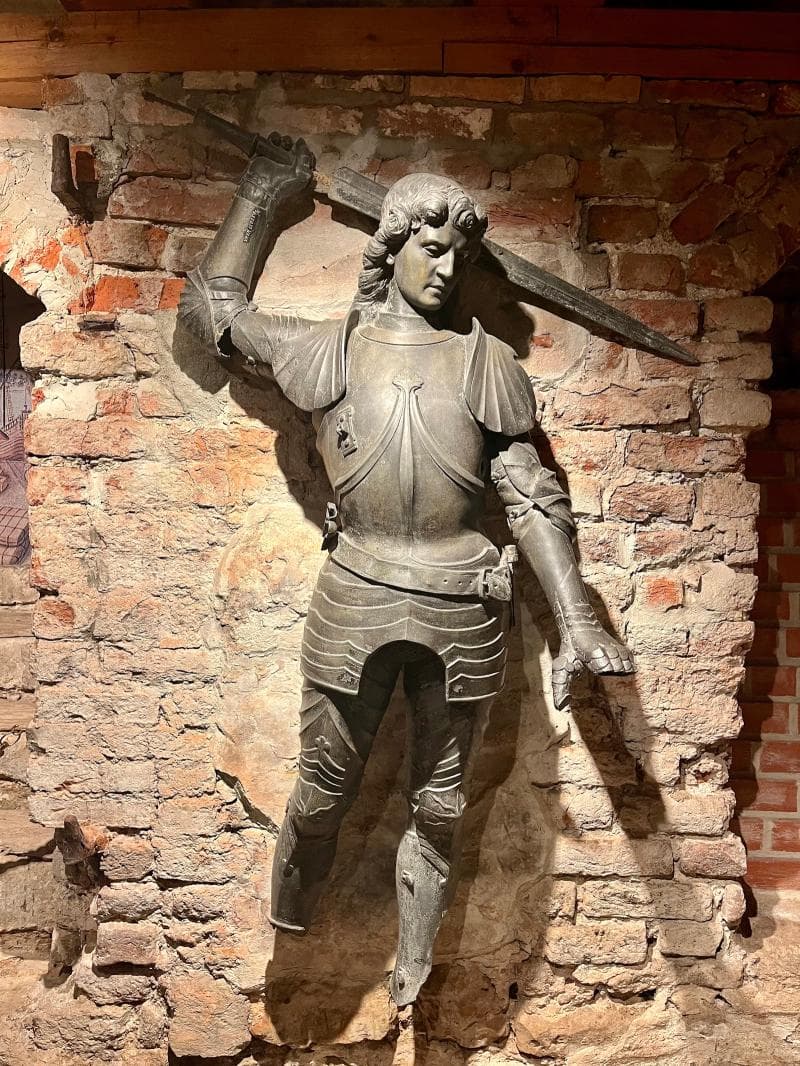
Explore the medieval artifacts within Riga's iconic House of the Black Heads, from its 14th-century cellar to merchant silver collections. Discover Latvia's rich history.
Overview
Stepping into the House of the Black Heads in Riga is like embarking on a journey through time, and central to this experience are its captivating medieval artifacts. While the magnificent facade of this reconstructed guildhall often steals the initial gaze, it's within its walls and beneath its foundations that the tangible echoes of Riga's rich past truly reside. The 'Medieval Artifacts' within this iconic building primarily refer to the historic cellar, the sole original remnant of the 14th-century structure, along with various collections that illustrate the life and influence of the Brotherhood of Blackheads and the city's early mercantile era.
These artifacts offer a unique window into the daily lives, economic activities, and ceremonial traditions of medieval Riga. From ancient foundations to intricate silverwork, each piece tells a story of a vibrant Hanseatic city and the influential merchant guild that helped shape its destiny. Exploring these historical treasures provides a profound connection to the city's enduring heritage, making it an essential stop for any curious traveler.
History & Cultural Background
The House of the Black Heads was originally constructed in 1334, not as a guildhall initially, but as a meeting and celebration venue for Riga's various public organizations. It later became the prominent headquarters for the Brotherhood of Blackheads, a guild of unmarried foreign merchants and shipowners who played a crucial role in Riga's medieval trade. This brotherhood was known for its wealth, elaborate ceremonies, and significant influence on the city's economy and culture.
Tragically, the original building was heavily damaged during World War II and subsequently demolished during the Soviet era. However, its spirit was too vital to be lost. Between 1995 and 1999, the House of the Black Heads was meticulously rebuilt based on historical documents, photographs, and archeological findings, restoring it to its former grandeur. This reconstruction symbolizes Latvia's resilience and pride in its cultural heritage, with the saying 'Should I ever crumble to dust, rebuild my walls you must' echoing the sentiment behind its revival.
What Makes It Special
What truly sets the 'Medieval Artifacts' at the House of the Black Heads apart is the remarkable preservation of its 14th-century cellar. This underground space is the only original part of the building that survived the devastating wartime destruction and subsequent demolition. Walking through this historic cellar allows visitors to experience an authentic underground section of Old Riga, observing original wall fragments, floor, and even wooden stairs dating back centuries.
Beyond the structural remains, the House also features a significant collection of artifacts related to the Brotherhood of Blackheads. This includes antique furniture, weaponry, ceremonial items, and a particularly impressive silver collection. Housed within the historical cabinets, this silver collection is considered one of the largest in the Baltic States, comprising gifted and purchased items such as ornate goblets, dinner sets, and candleholders. Each piece offers a glimpse into the opulent lifestyle and traditions of Riga's wealthy merchant elite.
Stories, Fun Facts & Local Details
The Brotherhood of Blackheads, from whom the building takes its name, chose Saint Maurice as their patron saint, often depicted as a Black African knight. This imagery is believed to be the origin of the guild's name and the Moorish head on their coat of arms. A fascinating fun fact associated with the House of the Black Heads is its connection to the first public Christmas tree. Historical accounts suggest that the Brotherhood of Blackheads displayed the first public Christmas tree in Riga in 1510, a tradition that has since spread worldwide. A stone marker outside the building is said to commemorate this event.
The cellar, in its medieval days, served as crucial storage and warehouse space for the merchants, reflecting Riga's status as a bustling port city in the Hanseatic League. The meticulous reconstruction of the House between 1995 and 1999 involved extensive research, using old photographs and plans to ensure historical accuracy, demonstrating a profound commitment to preserving Latvia's cultural identity.
Visitor Perspective
For visitors, exploring the 'Medieval Artifacts' provides a deeply immersive historical experience. The medieval cellar, with its authentic Gothic walls and 14th-century remains, offers a tangible connection to Riga's ancient foundations and the bustling mercantile life of centuries past. Interactive exhibitions within the cellar further enlighten guests on Riga's commerce and the Brotherhood's history.
Beyond the cellar, the museum's rooms showcase the grandeur of the merchant elite, with displays of antique furniture, weaponry, and the dazzling silver collection. Audio guides, available in multiple languages, enrich the visitor's understanding of the exhibits and the building's storied past. The House of the Black Heads, including its medieval artifacts, stands not just as an architectural marvel but as a vibrant testament to Riga's enduring history, offering a meaningful journey for anyone keen to delve into Latvia's rich cultural tapestry.
Coordinates: 24.1068, 56.9472
View on Google Maps💬 How Travelers Describe This Place
Based on community votes
Unique
989Beautiful
613Photogenic
603Interesting
581Must See
207
Traveler Stories
Discover memorable experiences shared by travelers who have visited this place.
No traveler stories yet.
Be the first traveler to share what made this place memorable.

Tour
By
Spot
Discover amazing places around the world. Your journey starts here.
Explore
© 2026 TourBySpot. All rights reserved.