Meadows
Munich, Germany
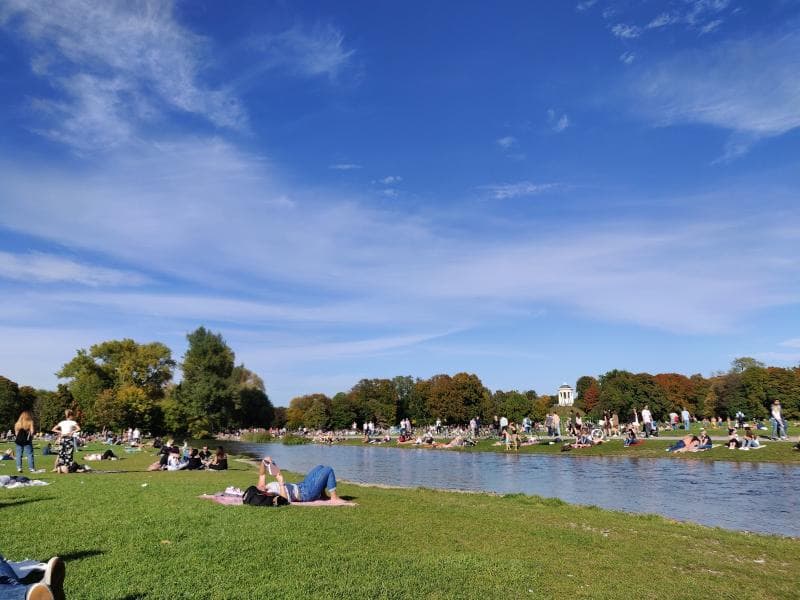
Explore the expansive meadows of Munich's English Garden, a vibrant urban oasis in Germany known for sunbathing, picnics, and cultural gatherings.
Overview
Nestled within the sprawling expanse of Munich's iconic English Garden (Englischer Garten) are its magnificent meadows, vast green canvases that define the park's natural charm and serve as the city's green heart. These expansive lawns, often simply referred to as 'the meadows' by locals, are far more than just open spaces; they are dynamic centers of leisure, relaxation, and communal life. Stretching across the English Garden's impressive 375 hectares, these verdant areas offer a profound sense of openness and tranquility, contrasting beautifully with the bustling city that surrounds them. From sun-drenched afternoons spent picnicking to lively gatherings, the meadows are an integral part of the Munich experience, inviting both residents and visitors to connect with nature and each other.
History & Cultural Background
The story of the English Garden's meadows begins over 225 years ago, rooted in a vision for a public park accessible to all citizens. Established in 1789 by Elector Karl Theodor, and shaped by the designs of Benjamin Thompson (later Count Rumford) and court gardener Friedrich Ludwig von Sckell, the park was conceived in the then-fashionable English landscape style. Unlike the formal, geometrically structured Baroque gardens of the time, the English style emphasized natural, flowing landscapes, characterized by rolling hills, meandering waterways, and, crucially, large open meadows. These 'natural' meadows were revolutionary, offering the people of Munich a space for recreation that was previously reserved for the nobility. Initially, the concept of a public park was met with some skepticism; early Munich residents were not accustomed to such leisure activities. However, the meadows soon became cherished spaces, embodying a new cultural understanding of public leisure and the importance of nature within an urban setting. They were designed not just for aesthetic appeal, but as functional areas where people could truly unwind and enjoy the outdoors.
What Makes It Special
What sets the meadows of the English Garden apart is their versatility and the freedom they offer. They are places where city life fades into a gentle hum, replaced by the rustle of leaves and the laughter of people. The famed Schönfeldwiese, particularly in the southern part of the park, stands out as a vibrant hub. It is perhaps best known internationally as one of the designated areas where nude sunbathing (FKK – Freikörperkultur) has been permitted since the 1960s, a testament to Munich's liberal approach to public spaces. This cultural phenomenon, which once caused quite a sensation, continues today, allowing for an uninhibited connection with nature. Beyond FKK, the meadows are a haven for a multitude of activities. You'll find groups playing football or badminton, individuals practicing yoga or Tai Chi, and countless families enjoying picnics. The proximity of the Schwabinger Bach, a serene waterway that winds through the park, adds to the meadows' allure, with its banks often lined with sunbathers and those seeking a refreshing dip in its cool waters. The gentle slopes leading up to the Monopteros, a Greek-style temple, offer panoramic views across the park and the Munich skyline, making these meadows particularly picturesque vantage points.
Stories, Fun Facts & Local Details
The meadows hold countless stories and fun facts that reflect Munich's unique spirit. One such local detail is the affectionate nickname 'Monowiese' (Mono meadow) given to the area around the Monopteros by the city's youth. This specific meadow becomes a lively gathering spot in summer evenings, famous for impromptu guitar concerts, African drumming sessions, and a general festive atmosphere. It's a place where spontaneity thrives and community forms under the open sky. Historically, the creation of the English Garden and its meadows was initially viewed with a dose of Bavarian pragmatism; early residents were more inclined towards the comfort of an inn than a walk in a park. However, this sentiment quickly changed, and the meadows became a beloved feature. Today, the Bavarian Palace Administration is actively involved in projects like 'Wildflower Meadows in the Garden Monument,' transforming some species-poor lawn areas into vibrant, biodiverse flowering meadows, enhancing ecological value while preserving the monument's character. While the famous Kocherlball tradition takes place at the Chinese Tower, the surrounding meadows also play a crucial role as thousands gather with picnic baskets and traditional attire in the early hours to participate in this unique folk festival.
Visitor Perspective
For any curious traveler, the meadows of the English Garden offer an immersive experience into Munich's relaxed urban culture. Arriving at one of these expansive green spaces, particularly on a sunny day, is to step into a vibrant yet peaceful scene. The sheer scale allows for both lively communal activities and secluded quiet moments. You can choose a spot near the bustling Schwabinger Bach, where the energy is palpable, or venture further north into the quieter sections of the park for a more contemplative experience. The freedom to simply lay down a blanket anywhere and soak in the atmosphere is a luxury. Imagine finding a perfect patch of green, listening to the distant sounds of music or conversation, feeling the sun on your skin, and perhaps catching a glimpse of the Monopteros rising gracefully in the distance. It's an invitation to shed inhibitions, embrace the natural flow of the park, and participate, however subtly, in the daily life of Munichers. Whether you are seeking active recreation, serene contemplation, or a memorable cultural encounter, the meadows of the English Garden provide a welcoming and unforgettable backdrop.
Coordinates: 11.5866, 48.1481
View on Google Maps💬 How Travelers Describe This Place
Based on community votes
Interesting
996Must See
658Unique
585Photogenic
143Beautiful
69
Traveler Stories
Discover memorable experiences shared by travelers who have visited this place.
No traveler stories yet.
Be the first traveler to share what made this place memorable.

Tour
By
Spot
Discover amazing places around the world. Your journey starts here.
Explore
© 2026 TourBySpot. All rights reserved.