Mayak Gimbap Shops
Seoul, South Korea
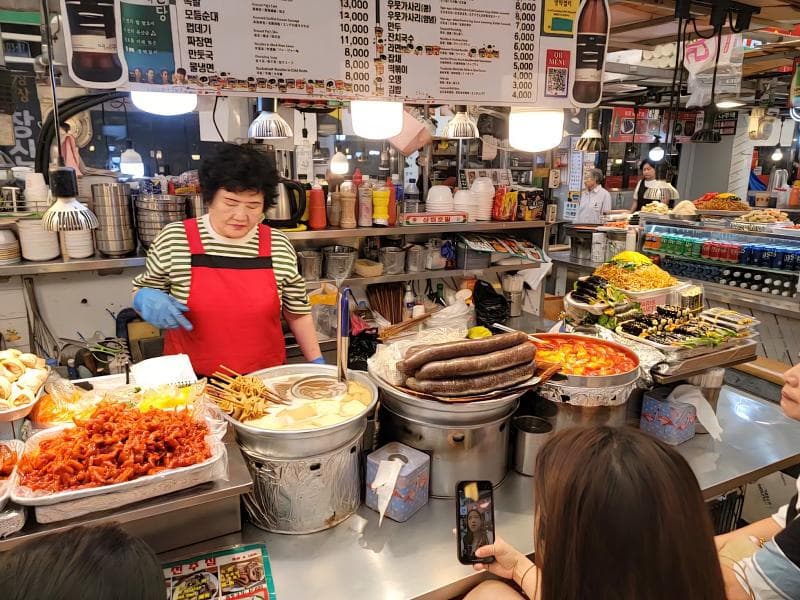
Discover Mayak Gimbap, Seoul's 'addictive' mini seaweed rice rolls, at the historic Gwangjang Market. Explore its unique taste and cultural story in South Korea.
Overview
Nestled within the bustling heart of Seoul's historic Gwangjang Market lies a culinary gem that has captivated locals and travelers alike: Mayak Gimbap Shops. These modest stalls specialize in a unique, bite-sized version of gimbap, a popular Korean seaweed rice roll. Unlike its larger, more elaborate counterparts, Mayak Gimbap is celebrated for its deceptively simple composition and its irresistible, almost 'addictive' flavor profile, particularly when paired with its signature dipping sauce. It represents a quintessential street food experience, deeply embedded in the vibrant tapestry of one of South Korea's oldest traditional markets.
History & Cultural Background
Gwangjang Market itself boasts a rich history, established in 1905 as Korea's first permanent commercial market, a significant development following the Gabo Reforms which liberalized merchant activities. Originally known as Dongdaemun Market, it was founded by Korean private investors in response to Japanese control over Namdaemun Market. The market's name, 'Gwangjang,' means 'to gather widely and preserve,' reflecting its role as a guardian of national trading traditions.
Over the decades, Gwangjang Market evolved from a hub for textiles and fabrics into a renowned gastronomic destination. It is within this historical setting that Mayak Gimbap came to prominence. The term 'Mayak' (마약), meaning 'narcotic drugs' in Korean, was playfully attached to this gimbap because of its intensely addictive qualities – once you start eating, it's hard to stop. This nickname was popularized in the 2010s, with a customer or blogger reportedly coining the term after finding the gimbap at a particular shop, Monyeo Gimbap, exceptionally delicious.
What Makes It Special
What sets Mayak Gimbap apart from other gimbap varieties is its minimalist approach and its iconic dipping sauce. Traditional gimbap often features a wide array of fillings, but Mayak Gimbap typically contains only a few core ingredients: seasoned rice, yellow pickled radish (danmuji), carrots, and sometimes spinach, all tightly rolled in a small sheet of seaweed (gim).
The true magic, however, lies in the accompanying sweet and tangy hot mustard sauce. This sauce, often a blend of soy sauce, vinegar, sugar, mustard, and sesame seeds, provides a pungent kick that perfectly complements the subtle flavors of the gimbap, elevating it from a simple snack to an unforgettable culinary experience. The small size makes them incredibly easy to eat, encouraging continuous enjoyment.
Stories, Fun Facts & Local Details
The story of the 'mayak' moniker is a charming anecdote, highlighting the genuine love and obsession people developed for this snack. The owner of Monyeo Gimbap, an early and prominent stall, recounts how a blogger's enthusiastic review, describing the gimbap as 'mayak,' cemented its now-famous name. This trend soon spread, with many other food items playfully adopting 'mayak' in their names to denote their irresistible deliciousness.
While the name is a testament to its popularity, there have been recent discussions in South Korea regarding the use of 'mayak' in food names, with authorities advising against phrases that might positively portray narcotics. Despite this, the deep-rooted cultural association and the innocent intent behind the name have meant that for many, 'Mayak Gimbap' remains a beloved and iconic part of Gwangjang Market's identity.
Visitor Perspective
For visitors to Gwangjang Market, seeking out Mayak Gimbap is an essential part of the experience. The lively atmosphere of the market, with its cacophony of sounds and enticing aromas, perfectly sets the stage for enjoying this street food. You'll find vendors meticulously rolling the gimbap and serving it fresh, often with a generous sprinkle of sesame seeds, ready to be dipped into the distinctive mustard sauce.
Eating Mayak Gimbap offers a true taste of local life, where you can stand alongside Koreans or perch on a small stool, savoring each bite amidst the energetic buzz. It's often enjoyed as a quick snack between exploring the market's other delights, like bindaetteok (mung bean pancakes) or yukhoe (beef tartare), making for a complete culinary adventure in the heart of Seoul. The market is easily accessible via the Seoul metro, making it a convenient and rewarding destination for any curious traveler.
Coordinates: 126.999, 37.57
View on Google Maps💬 How Travelers Describe This Place
Based on community votes
Interesting
898Photogenic
667Beautiful
618Must See
449Unique
308
Traveler Stories
Discover memorable experiences shared by travelers who have visited this place.
No traveler stories yet.
Be the first traveler to share what made this place memorable.

Tour
By
Spot
Discover amazing places around the world. Your journey starts here.
Explore
© 2026 TourBySpot. All rights reserved.