Maxwell Food Centre
Singapore, Singapore
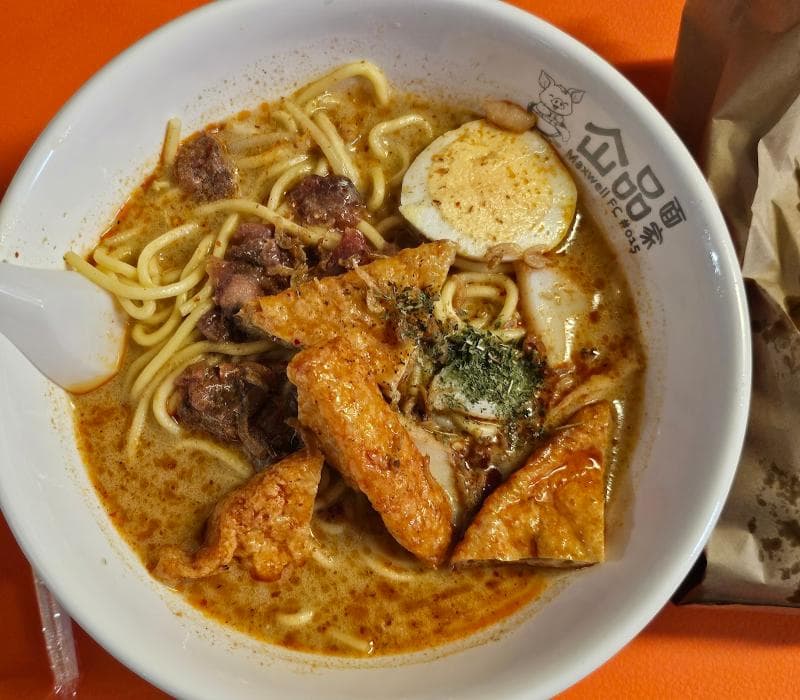
Explore Maxwell Food Centre in Singapore's Chinatown for authentic hawker fare. Discover its rich history, Michelin-recognized stalls, and vibrant food culture.
Overview
Nestled within the vibrant cultural tapestry of Chinatown in Singapore, Maxwell Food Centre stands as an iconic hawker destination. More than just a place to eat, it is a bustling hub that encapsulates Singapore's rich culinary heritage, offering a diverse array of authentic local dishes at remarkably affordable prices. Housing over 100 individual food stalls, this open-air complex is celebrated by both locals and visitors for its lively atmosphere and exceptional food quality. Its central location, near the Central Business District and adjacent to significant cultural landmarks, makes it a convenient and essential stop for anyone exploring the city.
Maxwell Food Centre has garnered international acclaim, with several of its stalls earning prestigious Michelin Bib Gourmand awards. This recognition has significantly elevated Singapore's unique hawker culture onto the global stage, challenging traditional notions of fine dining. It serves as a living testament to the multicultural identity of Singapore, bringing together people from various backgrounds over shared meals and experiences.
History & Cultural Background
The story of Maxwell Food Centre stretches back nearly a century, reflecting Singapore's evolution. It first opened its doors on November 17, 1928, as Maxwell Market, named after the road it bordered, which itself was named after a British colonial administrator. Interestingly, the site was originally a Chinese burial ground in the 1800s.
For decades, Maxwell Market functioned as a traditional wet market where locals purchased fresh produce, meat, and seafood. During World War II, it played a vital role, housing a government co-operative store and later, in 1946, Singapore's first 'Family Restaurant' providing affordable meals. A significant transformation occurred in 1986 and 1987 when the market was officially converted into Maxwell Food Centre, marking a pivotal moment in Singapore's hawker culture development. This change was part of a broader government initiative to modernize traditional markets and resettle street hawkers into clean, regulated environments, while preserving their cultural significance. The building underwent substantial upgrades in 2001, giving it its present-day appearance. Today, Maxwell is proudly part of Singapore's hawker culture, which was inscribed on UNESCO's Representative List of the Intangible Cultural Heritage of Humanity in 2020.
What Makes It Special
Maxwell Food Centre's allure lies in its remarkable combination of tradition, diversity, and quality. It is widely considered one of the most visitor-accessible major hawker centres in Singapore, offering a concentrated experience of the nation's culinary prowess.
The centre is a culinary melting pot, showcasing a genuine cross-section of Chinese dialect cuisines—Hokkien, Teochew, Cantonese, and Hainanese—alongside Malay and Indian options. This incredible diversity means there is something to satisfy every palate. Its reputation is particularly bolstered by legendary stalls, many of which are multi-generational family businesses that have perfected their recipes over decades. The unwavering commitment to traditional cooking methods and the use of quality ingredients ensure an authentic and memorable dining experience. While Tian Tian Hainanese Chicken Rice is the undisputed star, often drawing the longest queues, exploring other stalls reveals equally rewarding culinary treasures such as Outram Park Fried Kway Teow Mee, Maxwell Fuzhou Oyster Cake, and Jin Hua Sliced Fish Bee Hoon.
Stories, Fun Facts & Local Details
Maxwell Food Centre holds a special place in the hearts of many, not just for its food but also for the stories it tells. The late celebrity chef Anthony Bourdain famously raved about Tian Tian Hainanese Chicken Rice, calling its chicken rice 'so fragrant and delicious that it can be eaten on its own,' an endorsement that catapulted the stall to international fame. Gordon Ramsay also tried his hand at recreating its legendary dish.
A fun and distinctly Singaporean custom you'll observe here is 'chope-ing' a seat. Locals reserve their tables by placing a packet of tissues, an umbrella, or another personal item on it. It is a polite, unspoken rule of respect in bustling hawker centres.
The centre itself nearly faced demolition in the 1990s when the Urban Redevelopment Authority planned to build its headquarters on the site. However, fierce resistance from the hawkers led to the plans being shelved, preserving this cherished culinary landmark. Dining here is an immersion into local culture, where terms like 'makan' (to eat), 'dabao' (takeaway), and 'shiok' (deeply satisfying) become part of the experience.
Visitor Perspective
For a curious traveler, Maxwell Food Centre offers an accessible and rewarding introduction to Singapore's hawker scene. Located conveniently on 1 Kadayanallur Street, it is easily reachable by public transport, with the Maxwell MRT station (TE18) right at its doorstep, and Tanjong Pagar (EW15) and Chinatown (NE4/DT19) MRT stations within a short walk. Its proximity to attractions like the Buddha Tooth Relic Temple and Sri Mariamman Temple makes it an ideal stop during a Chinatown exploration.
To best enjoy the experience, consider visiting during off-peak hours, such as mid-morning or late afternoon, to avoid the intense lunch crowds, especially for popular stalls where queues can stretch long. While the atmosphere is lively and vibrant, be prepared for the open-air setting which can be warm. Most stalls primarily accept cash or QR payments, so it is advisable to carry small notes. Don't be afraid to try multiple dishes by sharing with companions, allowing you to sample a wider range of flavors and truly appreciate the culinary depth of this beloved Singaporean institution.
Coordinates: 103.84474, 1.28035
View on Google Maps💬 How Travelers Describe This Place
Based on community votes
Interesting
950Must See
929Unique
858Photogenic
287Beautiful
275
Traveler Stories
Discover memorable experiences shared by travelers who have visited this place.
No traveler stories yet.
Be the first traveler to share what made this place memorable.

Tour
By
Spot
Discover amazing places around the world. Your journey starts here.
Explore
© 2026 TourBySpot. All rights reserved.