Maritime Heritage Exhibits
Manila, Philippines
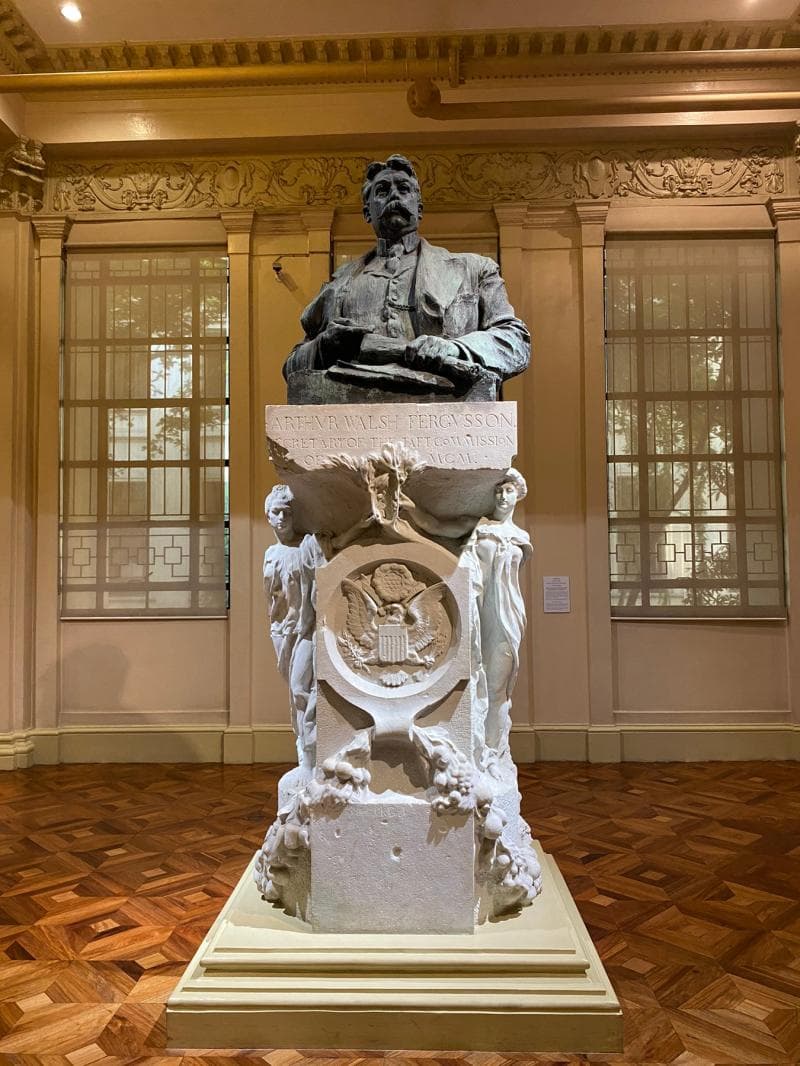
Explore the Maritime Heritage Exhibits at the National Museum of the Philippines in Manila, showcasing centuries of maritime trade and cultural history.
Overview
Deep within the esteemed National Museum of the Philippines in Manila lies a captivating sub-spot dedicated to the nation's profound relationship with the sea: the Maritime Heritage Exhibits. These exhibitions, curated by the Maritime and Underwater Cultural Heritage Division, offer a fascinating journey through centuries of Philippine maritime history and cultural exchange. Visitors can explore a rich collection of artifacts recovered from various shipwreck sites across the archipelago, providing a tangible connection to ancient trade routes and seaborne cultural movements.
The exhibits showcase the Philippines not merely as a collection of islands, but as a vital crossroads of maritime trade and interaction, linking diverse civilizations from Southeast Asia, East Asia, Europe, and the Americas. It is a testament to the Filipino people's enduring connection to the oceans that have shaped their history, identity, and way of life.
History & Cultural Background
The Philippines, an archipelagic nation, possesses an incredibly rich maritime heritage that dates back thousands of years. Long before the arrival of colonial powers, early Filipinos were skilled navigators and traders, traversing vast seas in sophisticated watercraft. The Maritime Heritage Exhibits delve into this extensive history by presenting archaeological evidence recovered from numerous sunken vessels.
Key exhibitions, such as '300 Years of Maritime Trade in the Philippines' and 'Paglawig: Cultural Movements Across the Seas,' highlight systematically excavated shipwrecks ranging from the 13th to the 19th century CE. These sites include the Breaker Reef, Pawikan Shoal, Pandanan, Lena Shoal, Santa Cruz, San Isidro, and Kanduli Shoal. The artifacts unearthed from these underwater archaeological sites — including Asian porcelain and stoneware ceramics from China, Thailand, Vietnam, and Myanmar, as well as pottery, metals, and even ancient crocodile teeth — paint a vivid picture of the intricate trade networks that connected the archipelago to the wider world. The establishment of the Maritime and Underwater Cultural Heritage Division in 2016 further solidified the museum's commitment to preserving and presenting this invaluable aspect of Filipino history.
What Makes It Special
What sets the Maritime Heritage Exhibits apart is their focus on authentic, recovered artifacts that directly illustrate the Philippines' role in global maritime trade. Unlike theoretical discussions, these exhibits allow visitors to see and understand the material culture of past civilizations, revealing how goods, ideas, and people moved across the seas. The meticulous archaeological work conducted by the National Museum of the Philippines and its partners in excavating these shipwrecks provides a unique window into pre-colonial and colonial trade relationships.
The exhibits underscore the importance of underwater cultural heritage and the ongoing efforts to protect these submerged time capsules from human activities and natural degradation. By showcasing these treasures, the museum plays a crucial educational role, raising awareness about conservation and the significance of maritime archaeology in understanding human history.
Stories, Fun Facts & Local Details
Imagine the stories embedded within a 13th-century ceramic bowl salvaged from the Breaker Reef shipwreck, or the journey of stoneware from Vietnam that ended up on the seabed near Pawikan Shoal. Each artifact tells a part of the grand narrative of trade, cultural exchange, and human endeavor. The '300 Years of Maritime Trade in the Philippines' exhibition, for instance, not only displays these finds but also helps reconstruct the maritime silk road's extension into the Philippine archipelago.
Beyond trade, some exhibitions also touch upon local boat-building traditions, such as those found in Cebu, highlighting the ingenuity and craftsmanship of Filipino seafarers. These exhibits are not just about ancient relics; they are about understanding the everyday lives of people who lived centuries ago, their economic activities, their cultural tastes, and their profound connection to the maritime environment. The sheer variety of origins for the recovered ceramics — from China, Thailand, and Myanmar — illustrates the Philippines' vibrant position as a hub where diverse cultures converged and exchanged.
Visitor Perspective
For any curious traveler, a visit to the Maritime Heritage Exhibits offers an immersive and educational experience. It provides a rare opportunity to literally 'dive' into the past without getting wet, offering tangible evidence of the Philippines' rich nautical heritage. Walking through the galleries, one gains a profound appreciation for the country's historical significance as a maritime gateway. The clear explanations and well-preserved artifacts create a narrative that is both informative and deeply engaging. It is an ideal destination for those seeking to understand the cultural tapestry of the Philippines through the lens of its enduring relationship with the sea, making history come alive through the stories of sunken treasures. The National Museum complex is conveniently located near Rizal Park in Manila, making it an accessible and enriching stop on any itinerary.
Coordinates: 120.981, 14.585
View on Google Maps💬 How Travelers Describe This Place
Based on community votes
Interesting
981Photogenic
617Beautiful
565Must See
157Unique
28
Traveler Stories
Discover memorable experiences shared by travelers who have visited this place.
No traveler stories yet.
Be the first traveler to share what made this place memorable.

Tour
By
Spot
Discover amazing places around the world. Your journey starts here.
Explore
© 2026 TourBySpot. All rights reserved.