Marin Headlands
San Francisco, United States
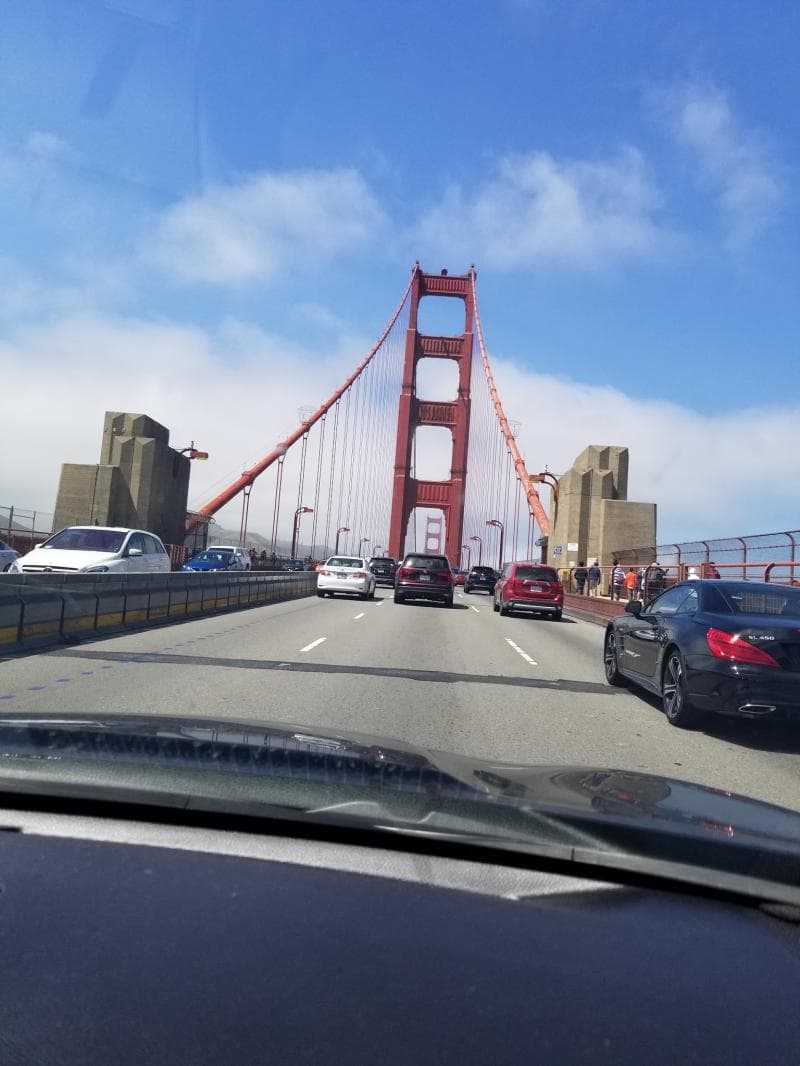
Explore Marin Headlands in San Francisco, United States – a stunning peninsula with Golden Gate Bridge views, rich history, and unique geology.
Overview
Perched just across the iconic Golden Gate Bridge from San Francisco, the Marin Headlands emerge as a dramatic testament to nature's artistry and human history. This hilly peninsula, part of the expansive Golden Gate National Recreation Area (GGNRA), offers breathtaking, sweeping views of the Golden Gate Bridge, the San Francisco skyline, and the vast expanse of the Pacific Ocean. It's a place where the dramatic cliffs of oceanic rock meet a fog-swept coastal prairie, creating a unique and captivating landscape. Beyond its visual splendor, the Marin Headlands boasts a rich tapestry of history, diverse ecosystems, and distinctive geological formations, inviting curious travelers to explore its many layers.
Known for its unparalleled scenic vistas and rugged coastline, the Headlands are a haven for outdoor enthusiasts and history buffs alike. Visitors flock here for hiking, biking, birdwatching, and discovering remnants of its military past. The ever-present fog, a signature element of the Bay Area, often rolls in, creating an ethereal atmosphere that lends itself to stunning photography and a sense of peaceful isolation just moments from the bustling city.
History & Cultural Background
The story of the Marin Headlands stretches back thousands of years, long before any European presence. The land was originally the ancestral home of the Coast Miwok peoples, who inhabited this rich landscape for at least 3,000 to 10,000 years. They lived in harmony with nature, skillfully managing its resources, including using controlled burning of grasslands to promote new growth. Their deep connection to the land is a foundational part of the Headlands' cultural heritage.
With the arrival of European explorers in the 1500s, the landscape began to change, leading to Spanish and Mexican land grants and devastating impacts on the Miwok population from introduced diseases. From the late 19th century through much of the 20th century, the Marin Headlands took on a critical strategic role, becoming a vital military defense site for the San Francisco Bay. Forts like Fort Baker, Fort Barry, and Fort Cronkhite, along with numerous coastal artillery batteries, were established to protect against naval attacks during World War I and World War II. During the Cold War, the Headlands hosted Nike missile sites, including the notable SF-88, which stood as a sentinel against potential airborne threats.
Remarkably, in the 1960s, a significant portion of this wild landscape was slated for a massive residential development called 'Marincello,' intended to house 30,000 people with apartment towers, single-family homes, and a mile-long shopping center. However, a concerted effort by local citizens, environmentalists, and The Nature Conservancy led to a successful legal battle, ultimately saving the Headlands from urbanization and ensuring its preservation as part of the Golden Gate National Recreation Area in the 1970s.
What Makes It Special
- Panoramic Vistas: The Marin Headlands offers some of the most iconic and breathtaking views in the world, encompassing the Golden Gate Bridge, the San Francisco skyline, Alcatraz, Angel Island, and on clear days, even the distant Farallon Islands.
- Unique Geology: The dramatic terrain is formed from unusual Franciscan rocks of the Marin Headlands terrane, consisting of pillow basalt, red chert, and sandstone. These rocks are remnants of ancient ocean floor, offering a fascinating glimpse into millions of years of geological activity.
- Rich Biodiversity: Despite its proximity to a major metropolitan area, the Marin Headlands is a biological hotspot. As part of the GGNRA, it boasts more endangered species than any other national park in the continental U.S., supporting a diverse array of plant and animal life within its fog-swept ecosystems.
- Preserved Military History: The Headlands is dotted with well-preserved historic military installations, from late 19th-century coastal defense batteries to the Cold War-era Nike Missile Site SF-88. This site is the only fully restored Nike missile installation in the United States, allowing visitors a tangible connection to a pivotal era in American history.
- Dynamic Coastal Environment: The interplay of land and sea creates a constantly changing environment, with swirling fogs, powerful ocean breezes, and the dramatic erosion of cliffs forming a rugged and beautiful coastline that is both wild and accessible.
Stories, Fun Facts & Local Details
One of the most compelling stories of the Marin Headlands is its near-miss with becoming a sprawling urban development. The 'Marincello' project of the 1960s would have transformed these pristine hills into a town of 30,000 residents, but a dedicated grassroots movement and environmental legal challenges ultimately secured its future as a protected natural space. It's a powerful reminder of how collective action can preserve irreplaceable landscapes.
For those fascinated by the Cold War, the Nike Missile Site SF-88 offers a unique window into a bygone era. Visitors can step onto this fully restored installation, explore its underground magazines, see actual missiles, and hear firsthand accounts from docents and even veterans, bringing this significant chapter of history to life. Meanwhile, nature enthusiasts flock to Hawk Hill during the fall migration, where thousands of raptors, from hawks to falcons, soar overhead, making it a premier spot for birdwatching in the region.
Down by the shore, Rodeo Beach presents a unique geological wonder. Its dark sand isn't just ordinary sand; it's composed of tiny, colorful pebbles, including jade, black agate, jasper, and carnelian. This makes beachcombing a treasure hunt, especially for children who enjoy sifting through for shiny specimens. While the powerful currents make it unsafe for swimming, it's a popular spot for surfers and offers incredible views.
Another iconic landmark is the Point Bonita Lighthouse, accessible via a suspension bridge that adds a touch of adventure to the journey. The lighthouse offers dramatic views and a sense of maritime history. Within the Headlands, you'll also find the Marine Mammal Center, the world's largest marine mammal hospital. Located in a former military base, it provides free self-guided tours, allowing visitors to learn about and observe the rehabilitation of seals and sea lions.
Visitor Perspective
Visiting the Marin Headlands is an adventure that begins just a short drive across the Golden Gate Bridge from San Francisco. Conzelman Road is your scenic gateway, winding through the hills and offering numerous overlooks that provide unparalleled photo opportunities of the bridge and city skyline. Popular viewpoints like Battery Spencer and Hawk Hill are easily accessible and provide stunning vistas.
The Headlands boasts a vast network of hiking and biking trails, catering to all levels of experience, from leisurely strolls to more challenging climbs that reward with expansive views. Before embarking on your explorations, a stop at the Marin Headlands Visitor Center, housed in a historic Fort Barry chapel, is highly recommended. Here, you can delve into exhibits covering the area's geology, Indigenous history, military past, and diverse ecosystems. Rangers are also on hand to provide maps and offer tailored trail suggestions.
It's important to come prepared; while the Headlands are close to the city, amenities are limited. Plan to bring your own snacks and plenty of water, as there are few food vendors. The weather here is famously unpredictable; it can shift from sunny to foggy in a matter of minutes, so dressing in layers is always a wise choice. Additionally, cellular service can be spotty in certain areas, so it's a good idea to download any maps or information you might need beforehand. Always check current conditions and alerts on the official park website before your visit to ensure a safe and enjoyable experience.
Coordinates: -122.531, 37.833
View on Google Maps💬 How Travelers Describe This Place
Based on community votes
Unique
934Must See
879Beautiful
741Interesting
276Photogenic
30
Traveler Stories
Discover memorable experiences shared by travelers who have visited this place.
No traveler stories yet.
Be the first traveler to share what made this place memorable.

Tour
By
Spot
Discover amazing places around the world. Your journey starts here.
Explore
© 2026 TourBySpot. All rights reserved.